








The Boston Bruins have found themselves at the center of trade speculation surrounding one of their most versatile forwards. Pavel Zacha, the 28-year-old Czech center, has been mentioned in multiple rumors as teams across the league explore options to bolster their rosters. With the Vancouver Canucks emerging as a frontrunner in pursuit of the two-way forward, questions have arisen about whether Boston is truly willing to part with a player who has become integral to their lineup. The situation has created a fascinating dynamic between a team looking to stay competitive and organizations eager to capitalize on what could be a valuable acquisition.
The trade chatter has intensified despite Zacha’s strong performance this season, where he’s posted impressive numbers and demonstrated the kind of consistency that makes him attractive to contending teams. However, recent insider reports have provided clarity on Boston’s actual intentions, suggesting that the rumors may not reflect the Bruins’ long-term vision for their roster construction.
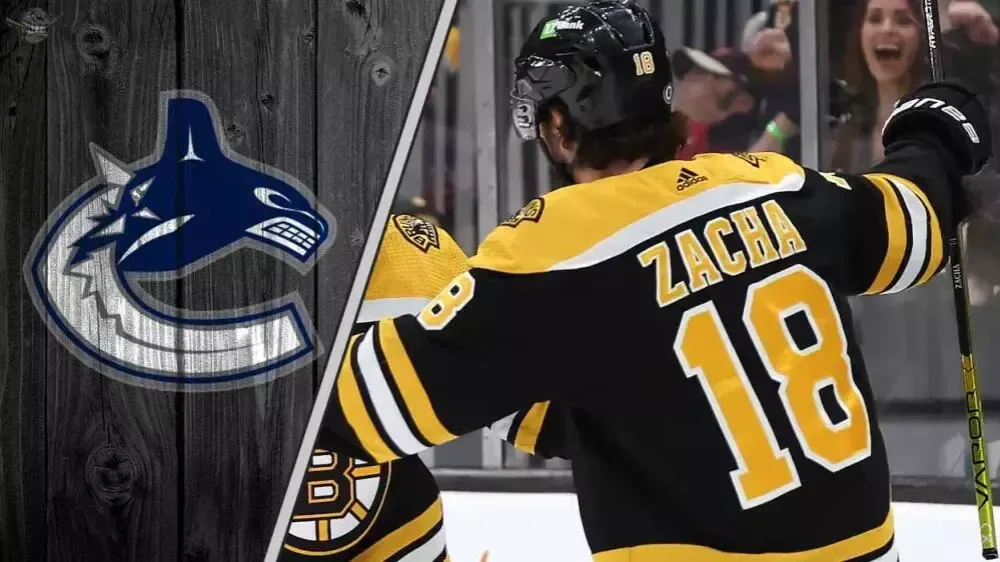
Understanding the Pavel Zacha Bruins trade rumors landscape
The foundation of Pavel Zacha Bruins trade rumors stems from multiple factors converging simultaneously. Boston entered the 2024-25 season in transition mode, attempting to balance veteran leadership with youth development while maintaining playoff competitiveness. Zacha’s contract situation—with only one year remaining after this season at a very reasonable $4.75 million cap hit—naturally attracts attention from teams seeking affordable, proven talent.
Vancouver’s interest isn’t surprising given their need for center depth and secondary scoring. The Canucks have been transparent about their desire to add a versatile forward who can play multiple positions and contribute in all situations. Pavel Zacha’s ability to slot in at center or wing, combined with his penalty kill prowess and power play capabilities, makes him an ideal target for teams with positional flexibility needs.
According to Sportsnet’s Elliotte Friedman, the Canucks aren’t included on Zacha’s eight-team no-trade list, which removes a significant procedural hurdle. This detail has fueled speculation that a deal could materialize more easily than initially thought. However, the presence of a no-trade clause itself indicates that when Zacha signed his current contract, both he and the organization anticipated he’d be a valued piece worth protecting.
What complicates the narrative is that Boston reportedly took calls on Zacha during the previous season as well. This pattern suggests the Bruins are at least willing to listen to offers, even if they’re not actively shopping him. For teams like Vancouver and others reportedly circling, this creates an opening to present compelling packages that might change Boston’s calculus.
The trade deadline isn’t until March 4, 2026—coming after the Olympics—which gives all parties considerable time to evaluate their positions. If the Bruins find themselves outside playoff contention by February, the pressure to maximize Zacha’s value before he enters the final year of his contract could intensify dramatically.
Boston’s true intentions behind Pavel Zacha Bruins trade rumors
TSN’s Pierre LeBrun recently provided crucial insight that should significantly temper Pavel Zacha Bruins trade rumors. During an episode of Insider Trading, LeBrun reported that Boston management views Zacha as a cornerstone of their long-term plans, not as a trade chip to be dealt at the first attractive offer.
“What I’m being told, in terms of the Boston Bruins, is that they view Pavel Zacha as a long-term fit,” LeBrun stated. “He only has another year on his contract after this year, but don’t be surprised if they try to extend him this summer. They look at him at 28 years old as age-appropriate for this transition of their roster. The retool, whatever you want to call it, but they feel he fits very well, and they want to keep him around.”
This revelation fundamentally changes the equation. Rather than preparing to cash in on Zacha’s value, Boston appears to be planning a contract extension conversation once he becomes eligible this upcoming summer. At 28 years old, Zacha fits perfectly into the timeline of a team that’s trying to bridge generations—old enough to contribute immediately, young enough to remain productive through a four or five-year extension.
The Bruins’ perspective makes strategic sense when examining their roster construction. They need players who can mentor younger prospects while still performing at a high level themselves. Zacha’s consistency and versatility provide exactly that, offering head coach Jim Montgomery lineup flexibility that’s invaluable over an 82-game season.
Boston’s front office is also likely considering what they’d need to receive in return to justify moving Zacha. For a player contributing at his current level, the price would need to include either immediate roster help that addresses specific weaknesses or a substantial package of picks and prospects. Given the Bruins’ stated goal of remaining competitive rather than fully rebuilding, trading Zacha for futures-only return would signal a dramatic philosophical shift just a dozen games into the season.
Multiple teams monitoring Pavel Zacha Bruins trade rumors situation
While Vancouver has emerged as the most prominent suitor in Pavel Zacha Bruins trade rumors, they’re far from alone in their interest. According to recent reports, at least two additional teams have inquired about the forward’s availability, though their identities haven’t been publicly disclosed. This level of interest underscores Zacha’s value around the league.
The appeal is straightforward: Zacha represents a rare combination of affordability, versatility, and production. In today’s salary cap environment, finding a player who can contribute 45-50 points while playing in all situations for under $5 million is increasingly difficult. Teams perpetually search for these “Swiss Army knife” players who give coaches options without breaking the budget.
For contending teams specifically, Zacha’s profile becomes even more attractive. He has playoff experience from his time in New Jersey and Boston, understanding what’s required to succeed in high-pressure situations. His defensive responsibility makes him someone who can be trusted in crucial moments, whether protecting a late lead or trying to generate offense while short-handed.
The intensity of interest from multiple organizations creates an interesting dynamic for Bruins general manager Don Sweeney. Even if Boston doesn’t intend to trade Zacha, having multiple teams actively checking in provides leverage. Should the team’s performance deteriorate significantly, Sweeney knows he has a robust market ready to present offers, ensuring maximum value if circumstances force a sale.
The competitive bidding environment also means Vancouver can’t simply wait and hope Boston gets desperate. If the Canucks genuinely want Zacha, they may need to present their strongest offer relatively early to discourage other suitors and demonstrate serious intent. This pressure could potentially drive up the acquisition cost beyond what Vancouver initially anticipated.
However, according to MassLive’s reporting, Boston won’t simply give Zacha away. Any trade would require a return that either helps the current roster compete or provides significant future assets that justify moving a productive player in his prime years.
Casey Mittelstadt adds complexity to Pavel Zacha Bruins trade rumors
The Pavel Zacha Bruins trade rumors have taken an additional twist with reports that teams are also inquiring about Casey Mittelstadt. According to The Fourth Period’s David Pagnotta, Vancouver’s interest extends beyond Zacha to include the 26-year-old center, creating a more complex negotiation landscape.
“Casey Mittelstadt is out there again. Pavel Zacha was a player that they explored and took calls on last season,” Pagnotta reported. “From the Canucks’ perspective, those are two players that would appeal. There are players they are exploring on and I would imagine that Boston would be a club that Allvin and (President Jim) Rutherford are going to at least poke on to see what the price tag would be for either of those players.”
The Mittelstadt situation differs significantly from Zacha’s. While Boston appears committed to extending Zacha, Mittelstadt’s future seems considerably less certain. He’s already been a healthy scratch this season, and at 26 years old with a $5.75 million cap hit, he represents a more expensive question mark. The Bruins acquired Mittelstadt hoping he’d blossom into a legitimate top-six center, but that development hasn’t fully materialized.
From Boston’s perspective, Mittelstadt might actually be the more available of the two forwards. With prospects like James Hagens potentially arriving as soon as this spring, and Matt Poitras showing readiness for expanded responsibility, the Bruins have internal options to fill Mittelstadt’s roster spot. They also need to consider his contract expiring after next season, creating similar pressure to maximize value.
For Vancouver, having two potential targets gives them flexibility in negotiations. If Boston’s asking price for Zacha proves prohibitive, they can pivot to Mittelstadt. Conversely, if they prefer Zacha’s two-way reliability over Mittelstadt’s higher offensive ceiling, they can focus their efforts accordingly. This optionality strengthens Vancouver’s negotiating position.
The dual interest also creates an interesting decision point for Sweeney. Would Boston consider packaging both players together for a more substantial return? Could moving Mittelstadt alone satisfy both teams’ needs while allowing Boston to keep Zacha? These questions will define how Pavel Zacha Bruins trade rumors evolve over coming weeks.
Zacha’s on-ice performance fueling Pavel Zacha Bruins trade rumors interest
Pavel Zacha’s impressive start to the 2024-25 season has only intensified Pavel Zacha Bruins trade rumors rather than quieting them. Through 12 games, he’s recorded two goals and 10 points, demonstrating the consistent production that makes him so valuable. His ability to contribute offensively while maintaining defensive responsibility creates the complete package that playoff teams covet.
Beyond raw statistics, Zacha’s versatility manifests in multiple ways. He takes regular shifts on both special teams units, providing Boston with a player they can deploy in virtually any situation. Whether the Bruins need a defensive zone faceoff, penalty kill presence, or net-front screen on the power play, Zacha can fill that role competently. This flexibility becomes exponentially more valuable in playoff hockey when depth and adaptability often determine series outcomes.
His consistency has also been noteworthy. Unlike some players who experience dramatic performance fluctuations, Zacha provides steady contributions game after game. For organizations, this reliability is crucial when projecting future production and making long-term financial commitments. Teams pursuing him know they’re acquiring someone who will show up both physically and productionally.
The timing of Zacha’s strong performance creates an interesting dynamic in trade discussions. His elevated play increases his value, potentially driving up what Boston could receive in return. However, it also reinforces why the Bruins want to keep him—he’s demonstrating exactly the kind of impact they need from their core group. Good performance can simultaneously make a player more tradeable and less available.
For Boston, Zacha’s contributions extend beyond individual statistics to team chemistry and culture. He’s respected in the locker room, works hard every shift, and embodies the professional approach the organization wants to cultivate. These intangible factors often don’t appear in trade discussions but significantly influence management’s willingness to part with certain players.
The timeline factor in Pavel Zacha Bruins trade rumors
Understanding the timeline is crucial when analyzing Pavel Zacha Bruins trade rumors. With the trade deadline still months away and Zacha having another full season on his contract after this one, there’s no immediate pressure forcing Boston’s hand. This temporal cushion gives the Bruins maximum flexibility to evaluate their options carefully.
The situation could evolve dramatically based on Boston’s performance over the next few months. If they’re competing for a playoff spot in January and February, trading Zacha becomes virtually impossible—they’d need him for their own postseason push. Conversely, if they’re clearly eliminated from contention, the calculus shifts toward maximizing return before his contract winds down.
According to The Hockey News, Boston’s intention to discuss an extension next summer indicates they’re planning for scenarios where Zacha remains with the organization. Extensions typically happen either when a player becomes eligible or shortly before unrestricted free agency. By targeting next summer, the Bruins can evaluate one more full season of performance before committing long-term dollars.
For Vancouver and other interested teams, this timeline creates urgency. If they wait until Boston’s stance becomes clearer, they risk the Bruins removing Zacha from availability entirely through an extension. Making a strong offer now, while Boston still has options to consider, might represent their best chance at acquiring him. However, aggressive early offers can also backfire by signaling desperation and inflating asking prices.
The Olympic break adds another wrinkle to the timeline. With the trade deadline positioned after the tournament, teams will have additional evaluation time for their rosters. Performance or injuries during Olympic competition could significantly alter the trade landscape, potentially opening or closing the window on certain deals.
The Pavel Zacha Bruins trade rumors represent a fascinating case study in NHL roster management and the information ecosystems that surround player movement. While legitimate interest exists from Vancouver and other organizations, Pierre LeBrun’s reporting suggests Boston’s true intention is retaining and extending Zacha rather than trading him. His age, production, versatility, and affordable contract make him exactly the kind of player rebuilding teams shouldn’t trade unless the return is overwhelming.
For now, the rumors will likely continue swirling as teams probe Boston’s willingness to deal and as the Bruins’ season unfolds. But unless their playoff hopes collapse entirely or someone presents an offer Sweeney can’t refuse, Pavel Zacha appears destined to remain in Boston black and gold for the foreseeable future. The situation serves as a reminder that not every player mentioned in trade rumors is actually available—sometimes the noise simply reflects league-wide recognition of a player’s value rather than an actual willingness to move him.

Par Mike Jonderson
Mike Jonderson is a passionate hockey analyst and expert in advanced NHL statistics. A former college player and mathematics graduate, he combines his understanding of the game with technical expertise to develop innovative predictive models and contribute to the evolution of modern hockey analytics.