







The San Jose Sharks entered the 2024-25 campaign with modest expectations, but as the season has progressed into its early stages, the organization finds itself at a critical juncture. After years of rebuilding and enduring one of the worst goal differentials in recent NHL history, the team has shown flashes of genuine competitiveness. However, two fundamental aspects of their game continue to hold them back from making the leap toward sustained success: defensive zone structure and power play execution. While young stars like Macklin Celebrini and Will Smith have captured headlines with their offensive brilliance, the Sharks’ path to relevance hinges on addressing these systematic weaknesses that have plagued the franchise throughout their reconstruction period.
The 2025 season represents a pivotal opportunity for San Jose to transform from a team occasionally competing to one consistently in contention. With new personnel additions, developing prospects, and refined coaching strategies under Ryan Warsofsky, the foundation for improvement exists. Yet translating potential into tangible results requires more than talent—it demands cohesion, consistency, and the ability to execute in crucial game situations. Understanding where the Sharks stand in these critical areas and how they’re working to improve them offers insight into whether this franchise can accelerate their rebuild ahead of schedule.
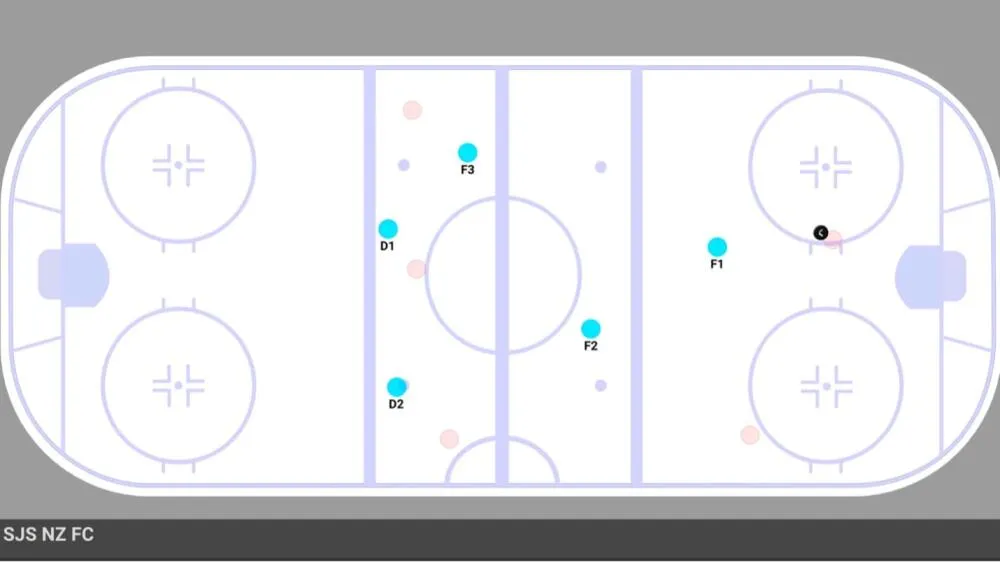
How defensive struggles define the San Jose Sharks defense and power play improvement 2025 season
The most glaring issue throughout the Sharks’ recent stretch of games has been their inability to control play in their own zone. During an eight-game span in November, San Jose was outshot in every single contest, often by significant margins. In their 2-1 overtime victory against Minnesota, the Wild dominated shot attempts 29-18, yet the Sharks managed to eke out a win thanks largely to goaltender Yaroslav Askarov’s heroics. This pattern has become disturbingly familiar—San Jose winning games despite being thoroughly outplayed territorially.
The defensive deficiencies manifest most clearly during transitions out of the defensive zone. Poor clearing attempts and failed breakout passes frequently lead to extended shifts in their own end, compounding fatigue and increasing scoring chances against. Against Calgary on November 13, the Sharks allowed 36 shots while managing just 16 of their own, ultimately falling 2-0 in a game that exposed their structural vulnerabilities. One goal came directly off a disastrous clearing attempt, the kind of preventable mistake that championship-caliber teams simply don’t make.
Part of the problem stems from personnel inconsistency on the blue line. Since trading Erik Karlsson in 2023, San Jose has cycled through an extensive list of defensemen attempting to fill the void. Jake Walman, Timothy Liljegren, Henry Thrun, and Shakir Mukhamadullin have all taken turns, but none have established themselves as the unquestioned top-pairing anchor. This constant rotation prevents the development of defensive partnerships and the chemistry required for seamless zone exits and coverage rotations.
The addition of veteran John Klingberg was meant to provide stability and experience, particularly on the power play, but his even-strength defensive play has been inconsistent at best. While Klingberg brings offensive instincts from the blue line, his defensive zone positioning and gap control have left much to be desired. When young defensemen like Sam Dickinson and rookies are learning the NHL game, having unreliable veteran leadership creates a ripple effect throughout the entire defensive structure.
What’s particularly concerning is that these defensive lapses occur even during winning streaks. San Jose won six of eight games in November, but advanced metrics suggested they were fortunate to escape with that record. Relying heavily on goaltending to bail out defensive breakdowns is unsustainable over an 82-game season. Eventually, the percentages catch up, and the Sharks need to address the root causes rather than depending on spectacular saves to mask systematic failures.
The bright side is that head coach Ryan Warsofsky recognizes these issues and has been working to implement tighter defensive structures. According to tactical analysis by Jack Han for San Jose Hockey Now, Warsofsky’s system emphasizes aggressive forecheck pressure and quick transitions, but the execution has been inconsistent. When the Sharks stick to the structure, they’re competitive. When they deviate or individual players make mental errors, the defense crumbles rapidly.
Power play woes hampering the San Jose Sharks defense and power play improvement 2025 season
If defensive zone play represents one half of San Jose’s improvement equation, the power play constitutes the other. The Sharks finished the 2024-25 season ranked 26th in power play percentage at 18.6%, converting on just 42 of 226 opportunities. While they drew a respectable number of power plays—14th in the league—their inability to capitalize on the man advantage left critical points on the table throughout the campaign.
The problems are multifaceted. Foremost among them has been the lack of a true quarterback on the point since Karlsson’s departure. The carousel of defensemen managing the power play has created no continuity or predictable structure that opponents must respect. According to The Reef, eleven different defensemen logged at least 10 minutes of power play time over the past two seasons, an astounding number that speaks to the organization’s desperation to find someone—anyone—who could run the unit effectively.
Klingberg’s arrival was specifically designed to address this void. During his prime years with Dallas, Klingberg helped the Stars achieve top-tier power play success, ranking fifth in 2020-21 at 23.6% and 11th in 2021-22 at 22.4%. His ability to distribute the puck, find shooting lanes, and create offensive zone pressure made him one of the league’s premier power play specialists. If Klingberg can recapture even 70-80% of that form, it would represent a massive upgrade for San Jose’s special teams.
However, recent performance suggests the power play remains a work in progress. Over a nine-game stretch leading into mid-November, the Sharks converted on just 2 of 26 power play opportunities—a dismal 7.7% success rate. Veterans Tyler Toffoli and Alex Wennberg, both key components of the man advantage, have struggled to generate consistent chances. The unit appears static at times, moving the puck laterally around the perimeter without creating genuine shooting opportunities or net-front chaos that forces goaltenders into difficult decisions.
The second power play unit has been equally ineffective, often failing to generate any meaningful pressure during their limited ice time. This puts additional stress on the top unit to produce, creating a predictable pattern that opposing penalty kills can easily defend. Jeff Skinner, brought in partly for his goal-scoring prowess, hasn’t found his rhythm yet, and the integration of younger players like Michael Misa (should he make the roster full-time) has been gradual rather than impactful.
Structural adjustments may help. Some analysts have suggested switching Klingberg and Dmitry Orlov between the first and second units to create different looks and exploit matchups. Elevating Philipp Kurashev, who has shown offensive chemistry with the top forward lines, could inject additional creativity. The core forward group of Celebrini, Smith, William Eklund, and Toffoli possesses elite talent, but without proper structure and movement, individual skill alone won’t overcome organized penalty kills.
One potential bright spot is the consistency this season compared to previous years. For the first time in the rebuild, the Sharks have a defined top unit that isn’t subject to constant roster turnover. Celebrini, Smith, Eklund, and Toffoli are locked in as the team’s offensive leaders, providing an opportunity to develop genuine chemistry and timing. Power play success often comes from understanding linemates’ tendencies intuitively—where they’ll be, when they’ll shoot, how they prefer to receive passes—and that only develops through repetition.
Young talent as the foundation for San Jose Sharks defense and power play improvement 2025 season
Despite the systematic challenges, the Sharks possess something many rebuilding teams lack: legitimate star power in their prospect pipeline and young NHL roster. Macklin Celebrini has been nothing short of sensational, spending significant portions of the season among the league’s scoring leaders. His hockey IQ, skating ability, and two-way awareness make him a foundational piece not just offensively but also as someone who can drive possession and relieve defensive pressure through smart zone exits.
Will Smith has taken a significant sophomore leap, forming a dynamic duo with Celebrini that mirrors some of the league’s elite center-winger combinations. Their chemistry, developed during their time playing together previously, translates seamlessly to NHL ice. Smith’s playmaking vision and Celebrini’s finishing ability create matchup nightmares for opponents, particularly when they get sustained offensive zone time. Both players contribute to the power play, though their effectiveness there depends heavily on the support structure around them.
William Eklund has emerged as another crucial piece, signing a contract extension that signals the organization’s commitment to building around young core players. Eklund’s two-way game and offensive creativity make him valuable both at even strength and on special teams. His ability to maintain possession under pressure and create space for teammates addresses some of the transition issues that plague the Sharks’ defensive zone exits.
Sam Dickinson represents the future on defense. The young blueliner continues developing amid the team’s ups and downs, gaining invaluable experience that will pay dividends as the Sharks progress toward contention. Getting Dickinson power play repetitions now, even on the second unit, accelerates his development as a potential quarterback down the line. His offensive instincts from the back end could eventually provide the long-term solution to San Jose’s point-man problem.
Yaroslav Askarov’s emergence as a legitimate starting goaltender candidate has been perhaps the most pleasant surprise of the season. His 28-save performance against Minnesota exemplified his ability to keep the Sharks in games even when outplayed territorially. In The Hockey Writers’ assessment, Askarov’s ability to make key saves during critical moments has been instrumental in several recent victories. However, relying too heavily on goaltending masks the defensive issues that need addressing for sustainable success.
Collin Graf has provided depth scoring and energy, demonstrating the kind of work ethic and competitive drive that can elevate an entire lineup. Players like Graf won’t typically appear on highlight reels, but they win board battles, create second-chance opportunities, and provide the grit necessary for playoff-style hockey. As the Sharks continue developing, having complementary players who embrace defined roles becomes increasingly important.
Strategic adjustments needed for San Jose Sharks defense and power play improvement 2025 season
Coaching staff under Ryan Warsofsky must balance implementing systematic structure with allowing creative young players the freedom to make plays. It’s a delicate equilibrium—too much structure stifles offensive creativity, but too little leads to the defensive chaos and power play ineffectiveness currently hampering the team. Warsofsky’s emphasis on aggressive forechecking and quick transitions suits the Sharks’ young, fast personnel, but execution consistency remains the hurdle.
On defense, simplifying the system might paradoxically improve results. Rather than complex zone coverage schemes that require perfect reads and positioning, implementing a more straightforward man-on-man approach in certain situations could reduce mental errors. Younger players often thrive with clear responsibilities rather than reading-and-reacting schemes that demand extensive NHL experience. Veteran defensemen like Orlov can handle more sophisticated coverage, but expecting the same from rookies and second-year players sets them up for failure.
The power play requires both personnel and schematic adjustments. Klingberg must assert himself as the quarterback, making quick decisions and shooting more frequently to keep penalty kills honest. Too often, the unit passes up shooting opportunities waiting for the “perfect” chance that never materializes. Generating volume—shots, rebounds, scrambles—creates chaos that leads to goals. The Sharks’ current power play is too predictable, too patient, and too easily defended.
Introducing more movement and rotation would help. Rather than static positioning with players anchored to specific zones, implementing a more dynamic system where players exchange positions and create confusion for penalty killers could unlock offensive potential. Celebrini and Smith both possess the vision and passing ability to operate from multiple locations, not just their assigned spots. Allowing them to roam and exploit mismatches could transform the power play from predictable to dangerous.
Video study and analytics should inform these adjustments. Identifying which defensive zone coverage schemes lead to successful breakouts versus which result in turnovers provides concrete data for improvement. Similarly, analyzing which power play formations generate the highest expected goals can guide structural changes. The Sharks have invested in modern hockey operations infrastructure; utilizing that information to drive on-ice decisions separates progressive organizations from those stuck in outdated methodologies.
Long-term outlook for San Jose Sharks defense and power play improvement 2025 season
The Sharks’ recent success—winning six of eight games and briefly reaching playoff positioning—demonstrates that the talent foundation exists. However, sustaining that success requires addressing the defensive and power play deficiencies that advanced metrics expose. The team’s underlying numbers suggest they’ve been fortunate to maintain their current record, and regression inevitably arrives unless systematic improvements occur.
General manager Mike Grier faces critical decisions about the roster’s trajectory. Should the Sharks maintain their competitive level, the organization might pivot from patient rebuilding to accelerated contention. That could mean becoming trade deadline buyers rather than sellers, adding veteran pieces to support the young core. It might mean aggressive free agent pursuit in the offseason, targeting defensive specialists or power play experts to fill specific needs.
The risk in accelerating too quickly is mortgaging future assets for incremental present gains. The Sharks must carefully evaluate whether they’re genuinely ready to compete or merely experiencing a hot streak that masks deeper issues. Making the playoffs as a seven or eight seed only to get swept in the first round doesn’t necessarily advance the organizational timeline if it costs premium draft picks or prospects.
Conversely, the cost of excessive patience is alienating the young stars by surrounding them with inadequate support. Celebrini and Smith are developing winning habits now; failing to build around them properly risks instilling losing culture despite individual success. There’s a window where young players remain cost-controlled and hungry—squandering that window through overly conservative roster construction would be organizational malpractice.
The defensive improvements will likely come gradually as young players gain experience and the coaching staff refines systems to match personnel strengths. Expecting the Sharks to suddenly transform into a shutdown defensive team is unrealistic, but incremental progress from 26th to 18th in goals against would represent significant advancement. Similarly, the power play doesn’t need to become top-five overnight, but climbing from 26th to the middle of the pack would swing several games over an 82-game season.
The San Jose Sharks’ 2025 season stands as a referendum on whether the organization can expedite their return to relevance. The talent exists, particularly among the young forward core that has exceeded expectations. However, talent alone doesn’t win championships or even secure playoff berths consistently. The systematic improvements to defensive zone play and power play execution represent the difference between a feel-good story of young players developing and a genuine contender threatening established powers in the Western Conference.
As the season progresses, watching how Warsofsky and his staff address these challenges will be fascinating. Can Klingberg rediscover his power play magic? Will the defensive structure coalesce as young players gain experience? Can the Sharks sustain their winning ways when underlying metrics suggest regression looms? These questions will determine whether San Jose’s early-season success was a mirage or the beginning of something sustainable. For a franchise starved for relevance after years of rebuilding, the answers can’t come soon enough.
Frequently Asked Questions

Par Mike Jonderson
Mike Jonderson is a passionate hockey analyst and expert in advanced NHL statistics. A former college player and mathematics graduate, he combines his understanding of the game with technical expertise to develop innovative predictive models and contribute to the evolution of modern hockey analytics.