













The San Jose Sharks face an unexpected challenge to their goaltending depth as Alex Nedeljkovic steps away from the team to handle a personal matter. While the organization expects his absence to be brief—potentially just a couple of games—the situation has forced the Sharks to shuffle their crease personnel at a crucial juncture of the season. The team has placed Nedeljkovic on non-roster injured reserve and recalled Jakub Skarek from the AHL’s San Jose Barracuda, elevating Yaroslav Askarov into the clear-cut starter’s role for the immediate future.
This roster adjustment offers more than just a temporary solution to a personnel problem. The specific choices made by management—who to recall, who to keep developing in the minors—reveal the organization’s broader philosophy on asset management and player development. For a rebuilding franchise like San Jose, every decision carries weight beyond the immediate game, and how they navigate the San Jose Sharks goaltending depth Nedeljkovic absence situation demonstrates their commitment to balancing short-term needs with long-term growth.
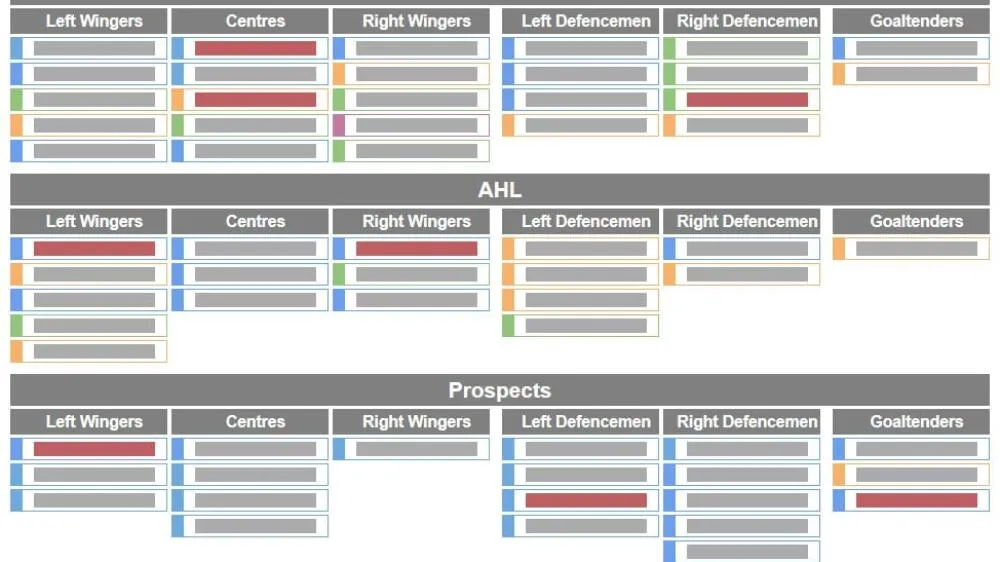
Understanding the circumstances behind Nedeljkovic’s departure from the lineup
The situation first surfaced during preparations for the Sharks’ Tuesday matchup against the Minnesota Wild. Nedeljkovic was slated to start that game, having been the first goalie off the ice during morning skate—the traditional indicator of a starting assignment. However, the personal matter arose, forcing a last-minute change that saw Askarov draw into the starting role instead.
To his credit, Nedeljkovic still dressed as the backup goalie for that contest, demonstrating professionalism despite his impending departure. Askarov rewarded the sudden opportunity with a stellar performance, making 28 saves in a 2-1 overtime victory that extended San Jose’s winning streak to four games. It was a silver lining in what had become an uncertain situation for the team’s goaltending corps.
Following that game, Nedeljkovic did not travel with the team for their subsequent road trip, which includes stops in Calgary and Seattle. This necessitated the official NRIR designation—a move that allows the Sharks to recall a replacement without running afoul of roster limitations while also providing Nedeljkovic the space he needs to address his personal situation.
Head coach Ryan Warsofsky addressed the media following the Minnesota game, providing crucial context that helped ease concerns about a prolonged absence. According to Sharks Hockey Digest, Warsofsky indicated that the organization does not expect this to be an extended situation, with most projections suggesting Nedeljkovic will miss “a couple of games at most.” This timeline suggests he could potentially rejoin the team as early as next week.
For a player who has provided stability in the San Jose Sharks goaltending depth despite Nedeljkovic’s absence being unexpected, this is encouraging news. Through seven appearances this season, Nedeljkovic has posted a 3-2-2 record with a 2.96 goals-against average and a .906 save percentage. While not elite numbers, they represent solid, dependable goaltending—exactly what a young, developing team needs from its veteran presence in the crease.
Askarov assumes the starting mantle as Sharks lean on their prized prospect
With Nedeljkovic sidelined, the net belongs entirely to Yaroslav Askarov for the foreseeable future. The 22-year-old goaltender, acquired from the Nashville Predators in a blockbuster trade during the offseason, now faces his first true stretch as an undisputed NHL starter. It’s an opportunity that arrives earlier than perhaps anticipated, but one that the Sharks’ front office likely views as a valuable developmental experience.
Askarov entered this season as one of hockey’s most intriguing prospects, a former 11th overall pick whose potential had NHL scouts salivating for years. His performance in Tuesday’s game against Minnesota—stepping in on short notice and delivering a composed, technically sound 28-save effort—demonstrated why the Sharks were willing to part with significant assets to acquire him.
The timing of this expanded role is particularly interesting from a development perspective. Rather than easing into increased responsibility through a planned progression, Askarov must now carry the full load of a starting goaltender’s workload and expectations. The road trip offers consecutive starts against Calgary and Seattle, providing back-to-back opportunities to establish rhythm and confidence.
According to reports from The Hockey Writers, the Sharks don’t face any back-to-back games until November 22-23, meaning Askarov could theoretically start every game during Nedeljkovic’s absence without facing the physical strain of consecutive nights. This schedule quirk actually works in San Jose’s favor, allowing their young netminder extended playing time without overtaxing him.
For Askarov, this stretch represents more than just filling in for an absent teammate. It’s an audition for the starting role that the organization envisions him occupying long-term. Every save, every game managed, every post-game interview adds another layer to his development as a professional goaltender. The Sharks need to know if their prized prospect can handle adversity, maintain focus over multiple games, and deliver consistent performances under the scrutiny of being the team’s primary option.
The strategic decision behind recalling Skarek over higher-performing options
When the Sharks needed to recall a goaltender from the AHL, they faced a decision that would reveal much about their organizational priorities. The choice came down to two Barracuda netminders: Jakub Skarek and Gabriel Carriere. On paper, the decision seemed straightforward—except the Sharks didn’t make the obvious choice, and understanding why offers insight into their development philosophy.
Carriere, at 25 years old and in his second professional season, has functioned as the Barracuda’s primary starter. Through eight appearances, he’s posted a respectable .901 save percentage, significantly outperforming his crease-mate. He’s the player receiving consistent starts, building game-to-game rhythm, and developing the mental fortitude that comes from being a relied-upon starter.
Skarek, conversely, has struggled statistically. Through six AHL games, his .875 save percentage and 3.63 goals-against average paint the picture of a goaltender fighting to find his form. His lone bright spot came Tuesday with a 27-save shutout in a 7-0 victory over Abbotsford—a performance that, while impressive in isolation, couldn’t mask the broader struggles of his early-season body of work.
So why recall the goalie with an .875 save percentage instead of the one with .901? The answer lies in asset management and developmental philosophy rather than pure performance metrics. The Sharks made a calculated decision: they did not want to interrupt Carriere’s rhythm and development trajectory for what amounts to a temporary assignment where he’d likely never see game action.
Calling Carriere up to serve as Askarov’s backup for two or three games does nothing for his long-term progression. In fact, it actively stalls it. He’s better served playing 60 minutes for the Barracuda, facing shots, making saves, building confidence, and continuing his development as a starting goaltender. Sitting on an NHL bench watching Askarov play serves neither Carriere’s development nor the organization’s long-term interests.
Skarek, by contrast, fits the role of temporary recall perfectly. A 27-year-old journeyman who spent six years in the New York Islanders organization before signing a one-year, league-minimum contract with San Jose as a Group VI unrestricted free agent, Skarek serves as the organizational depth piece—the insurance policy that every NHL team needs. His two games of NHL experience last season with the Islanders (3.94 GAA, .872 save percentage) hardly suggest future stardom, but that’s not his role. He exists to fill the gap, to be ready if called upon, and to allow prospects like Carriere to continue their development uninterrupted.
Examining Nedeljkovic’s role in the Sharks’ goaltending hierarchy this season
Before his absence, Nedeljkovic had carved out a significant role within San Jose’s goaltending structure. Acquired from the Pittsburgh Penguins in an offseason trade, the 29-year-old arrived with the expectation of providing veteran stability to complement the raw potential of Askarov. His performance through the season’s opening weeks suggested he was fulfilling that mandate effectively.
Nedeljkovic’s 3-2-2 record demonstrates his ability to give the Sharks a chance to win games. His 2.96 goals-against average and .906 save percentage, while not spectacular, represent solid goaltending for a team still in the early stages of a rebuild. For a squad not expected to contend for a playoff position, these numbers from a veteran presence are exactly what management hoped for when they acquired him.
Beyond the statistics, Nedeljkovic has provided intangible value to the organization. His experience—including a Calder Trophy finalist season with Carolina in 2020-21—offers guidance for a young goaltender like Askarov. The dynamic between an established veteran and a highly-touted prospect can be delicate, but all indications suggest a professional, supportive relationship that benefits both parties.
His presence also allows the coaching staff flexibility in managing workloads and game assignments. With Nedeljkovic available, Askarov doesn’t face the pressure of being the team’s only viable NHL option. This balance helps prevent the physical and mental burnout that can plague young goaltenders thrust into excessive playing time before they’re ready. The San Jose Sharks goaltending depth Nedeljkovic absence has revealed just how valuable that flexibility proved to be.
Nedeljkovic’s approach to his craft has also drawn attention. Recent reports highlighted his habit of writing motivational notes on his goalie equipment—reminders to “have fun” and maintain a positive mental space during games. This attention to the mental aspects of goaltending sets an example for younger players in the organization, demonstrating that success in the crease extends beyond technical skill to include psychological preparation and emotional management.
What Skarek brings to the temporary backup role behind Askarov
Jakub Skarek arrives in San Jose’s NHL locker room knowing exactly what his assignment entails: hold a clipboard, stay sharp in practice, and be ready if circumstances somehow require him to enter a game. It’s an unglamorous role, but an essential one in the architecture of any NHL organization.
The 27-year-old Czech netminder brings limited NHL experience to this assignment. His two games with the Islanders last season represent the entirety of his big-league resume. In those appearances, he allowed five goals on 34 shots—numbers that won’t inspire confidence but also reflect an extremely small sample size in challenging circumstances for a call-up player.
Skarek’s professional journey has been one of perseverance rather than meteoric rise. Drafted by the Islanders in the third round of the 2017 NHL Draft, he spent years developing in their system without ever cracking the regular NHL roster. His path through the ECHL and AHL showcases a player determined to continue pursuing his professional career despite the odds stacking against a permanent NHL berth.
This current recall likely won’t change his career trajectory. The Sharks don’t have any back-to-back games on their immediate schedule, meaning Askarov will almost certainly start every game during Nedeljkovic’s absence. Barring injury, Skarek will spend this stint participating in morning skates, serving as a practice goalie, and maintaining his readiness for an emergency that probably won’t materialize. When Nedeljkovic returns, Skarek will return to the Barracuda, his brief NHL cameo complete.
However, this experience still holds value. Every day spent in an NHL environment—practicing with NHL-caliber shooters, observing how established goaltenders like Askarov prepare, absorbing the professional standards of the league’s highest level—contributes to a player’s development. Even if Skarek never becomes an NHL regular, these experiences make him a better AHL goaltender and a more valuable organizational depth piece.
The ripple effects on the Barracuda’s AHL development plan
While the NHL roster shuffle addresses San Jose’s immediate needs, it also affects the developmental ecosystem in the AHL. The Barracuda now operate with Carriere as their sole goaltender on the active roster, necessitating adjustments to their own depth chart and game preparations.
Carriere’s continued presence in San Jose (the AHL affiliate) rather than San Jose (the NHL club) underscores the organization’s commitment to his development. By keeping him in the AHL where he can continue receiving regular starts, the Sharks prioritize his long-term growth over any short-term convenience of having a higher-performing goaltender as an NHL backup.
This philosophy reflects modern thinking about prospect development. Research and experience have shown that young players, particularly goaltenders, benefit far more from consistent playing time at a lower level than sporadic appearances or extended bench time at a higher level. Carriere needs games—the pressure of competition, the challenge of facing quality shooters, the mental grind of being counted upon night after night. The AHL provides that environment; serving as an NHL backup does not.
The Barracuda will likely need to sign or recall an additional goaltender to serve as Carriere’s backup during Skarek’s absence. This might mean an emergency call-up from the ECHL or a professional tryout agreement with an available netminder. Such moves are routine in the AHL, where roster fluidity is part of the daily operation.
For prospects throughout the organization, the handling of this situation sends a clear message: development matters more than convenience. The Sharks could have easily recalled Carriere—it would have been simpler in some ways—but they chose the path that best serves their long-term organizational health. Young players notice these decisions, understanding that the organization will prioritize their growth even when expedience might suggest otherwise.
How this tests the Sharks’ organizational goaltending infrastructure
The San Jose Sharks goaltending depth Nedeljkovic absence serves as an early-season stress test for the organization’s goaltending infrastructure. While a short-term absence isn’t catastrophic, it reveals the layers of depth—or lack thereof—that exist within the system. The Sharks’ response demonstrates both preparedness and pragmatism.
Most NHL organizations operate with a clear hierarchy: two NHL goaltenders, typically an AHL tandem, and various depth options scattered through ECHL affiliates or on PTOs. The Sharks fit this model, with Nedeljkovic and Askarov at the NHL level, Carriere and Skarek in the AHL, and additional options available if needed. The rapid execution of Skarek’s recall demonstrates functional organizational depth, even if that depth isn’t particularly impressive by league-wide standards.
General manager Mike Grier’s front office has clearly thought through these contingencies. The decision to sign Skarek to a league-minimum contract in the offseason—a move that generated zero headlines—now proves its value. That’s the mark of competent organizational planning: having the right pieces in place before you need them, even if those pieces are unglamorous depth options rather than exciting prospects.
The goaltending coach and development staff also face increased demands during this period. With Askarov shouldering an expanded workload, managing his physical recovery and mental preparation becomes even more critical. The staff must ensure he stays sharp technically while also monitoring for signs of fatigue or mechanical breakdown that can occur when a young goaltender faces a condensed run of starts.
Communication between the NHL and AHL coaching staffs becomes essential as well. Information about Carriere’s performances, Skarek’s readiness if further call-ups become necessary, and any developments in the prospect pipeline must flow smoothly up and down the organizational chart. The temporary nature of Nedeljkovic’s absence means everyone must be prepared for roster fluidity in the coming days.
For a rebuilding franchise, these organizational stress tests actually provide valuable information. Management learns which systems work, which communication channels function effectively, and where vulnerabilities exist in the depth chart. Better to discover these issues in November during a veteran goaltender’s brief absence than during a playoff push or in response to a long-term injury.
The San Jose Sharks goaltending depth Nedeljkovic absence, while unexpected, appears manageable for an organization that has planned thoughtfully for such contingencies. Alex Nedeljkovic’s anticipated brief departure allows Yaroslav Askarov to assume an expanded role at a crucial point in his development, while the strategic recall of Jakub Skarek rather than Gabriel Carriere demonstrates the front office’s commitment to prioritizing long-term prospect development over short-term convenience.
As the Sharks navigate this road trip with Askarov as their undisputed starter and Skarek serving as the emergency backup, the organization reveals its values and priorities. The decision to keep Carriere in the AHL, where he can continue developing through regular starts, shows a commitment to player development that extends beyond immediate roster needs. Meanwhile, the rapid recall of Skarek proves the value of maintaining solid organizational depth, even when that depth consists of journeymen rather than blue-chip prospects. When Nedeljkovic returns, likely within a week, the Sharks will have gained valuable insight into Askarov’s readiness for increased responsibility while maintaining the developmental trajectory of their goaltending prospects—a win-win outcome from an initially challenging situation.
Frequently Asked Questions

Par Mike Jonderson
Mike Jonderson is a passionate hockey analyst and expert in advanced NHL statistics. A former college player and mathematics graduate, he combines his understanding of the game with technical expertise to develop innovative predictive models and contribute to the evolution of modern hockey analytics.