



The clock is ticking for Milan Cortina 2026 organizers as the Santagiulia ice hockey arena lurches toward completion with no safety net. Construction delays have pushed this critical venue right to the wire, raising questions about whether the centerpiece of Olympic hockey will be ready when the world’s best players arrive in February. With NHL superstars set to return to the Olympic stage for the first time since 2014, the pressure to deliver a world-class facility has never been greater.
Located on the outskirts of Milan in the redeveloped Santa Giulia district, the new 16,000-seat arena represents one of the most significant legacies of these Winter Games. Unlike many Olympic venues that repurpose existing structures, Santagiulia has been built from the ground up specifically for Milano Cortina 2026. This ambitious approach promised a state-of-the-art facility but left organizers vulnerable to the construction delays now threatening to undermine the entire hockey tournament.
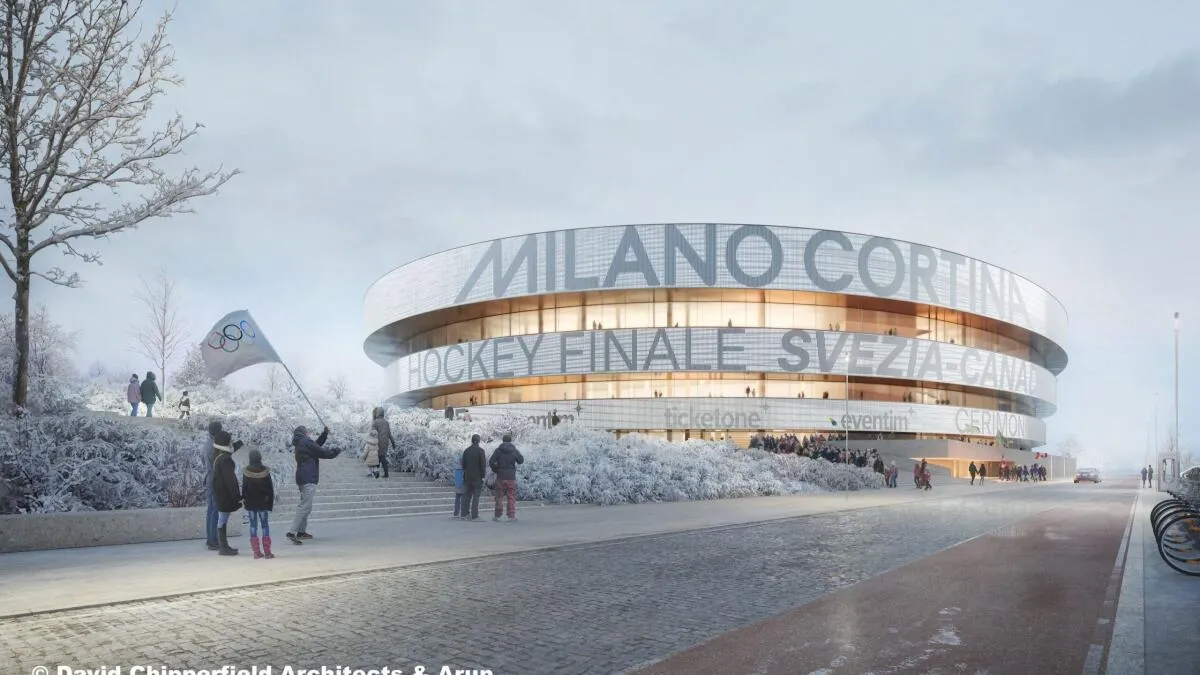
Santagiulia ice hockey arena readiness for the 2026 Milan-Cortina Winter Olympics tested by unprecedented delays
The timeline crunch became starkly apparent when test events originally planned for earlier this year were forced to reschedule. Organizers have now slated the crucial venue testing for January 9-11, giving them mere weeks to identify and fix any issues before the first women’s preliminary match on February 5. This compressed window leaves virtually no margin for error.
“There is no plan B,” admitted Andrea Francisi, chief games operations officer for Milan Cortina, in a candid statement to the Associated Press. His frank assessment underscores the precarious position facing organizers. Unlike previous Olympics where existing arenas could serve as fallback options, Santagiulia stands alone as the designated primary venue for ice hockey competition.
The construction challenges reflect broader issues plaguing the Milan Cortina organizing committee. With the Games fast approaching, daily monitoring sessions have become the norm as builders race to complete not just the playing surface but also concession stands, bathrooms, and all the critical infrastructure that transforms a building into a functioning sports arena.
The NHL’s Olympic return hangs in the balance at Santagiulia
For hockey fans worldwide, the 2026 Games represent a long-awaited reunion with best-on-best international competition. The NHL’s decision to pause its season and release players for Olympic duty marks the first time since Sochi 2014 that the world’s elite will battle for gold. Names like Connor McDavid, Auston Matthews, and Leon Draisaitl are expected to headline rosters that will rekindle memories of the legendary 2010 and 2014 tournaments.
This star power only amplifies the stakes for Santagiulia’s readiness. The arena must not only meet basic functional requirements but also deliver the broadcast quality, player facilities, and spectator experience befitting the sport’s premier talent. Broadcasters spending millions on rights fees expect flawless technical infrastructure, while sponsors anticipating global exposure need every promise delivered.
Technical specifications and legacy promise of Milan’s new hockey cathedral
Despite the construction anxiety, Santagiulia’s design specifications suggest it will be worth the wait when completed. The venue promises 14,000 permanent seats with capacity for 16,000 during Olympic competition. Its acoustics and sightlines have been engineered specifically for hockey’s unique rhythms, creating what organizers describe as an “immersive and dynamic experience” for spectators.
Adjacent to the main arena, an additional overlay ice rink has been constructed to handle team training sessions throughout the tournament. This dual-rink approach ensures competitive ice remains pristine while giving teams adequate practice time—a lesson learned from previous Olympics where ice quality became a controversial issue.
Beyond the Games, the private investor funding model means Santagiulia must have a sustainable post-Olympic life. Plans call for transforming the facility into a multi-purpose center for sports events and live entertainment, ensuring the district’s regeneration continues long after the Paralympic flame is extinguished.
Testing timeline reflects construction reality
The rescheduled January test event window reveals the harsh mathematics facing organizers. Typically, new Olympic venues undergo rigorous testing at least a year before hosting medal events. This allows time for adjustments, staff training, and systems optimization. Santagiulia’s January tests provide just weeks before competition begins.
Daily coordination meetings between construction firms and organizing committee staff have become essential. “We’re monitoring all that daily together with them,” Francisi explained. “There’s great collaboration between us, we’re creating a coordinated plan between their work and our preparations.”
This hands-on approach reflects the reality that major construction projects rarely finish ahead of schedule. The Italian flair for dramatic finishes may serve them well, but international sporting bodies and broadcast partners prefer certainty over spectacle.
What happens if Santagiulia isn’t ready?
The frank admission that no backup plan exists raises uncomfortable questions. Alternate venues in Milan exist—most notably the Milano Rho Ice Hockey Arena—but retrofitting them for Olympic broadcast standards and NHL player requirements would be a massive logistical undertaking. The secondary venue lacks the capacity and modern amenities planned for Santagiulia, potentially diminishing the Olympic experience for athletes and fans alike.
Organizers maintain that Santagiulia will be ready, pointing to accelerated work schedules and close collaboration with contractors. The question isn’t just whether the building will be structurally complete, but whether it can deliver the Olympic-standard experience that justifies the investment and meets the expectations of returning NHL players.
Key milestones in Santagiulia’s Olympic journey
- January 9-11, 2026: Rescheduled test events finally take place
- February 5, 2026: Women’s preliminary round opens Olympic hockey competition
- February 11-22, 2026: Men’s tournament runs alongside women’s medal rounds
- March 2026: Para ice hockey competition during Paralympic Winter Games
- Post-2026: Venue transitions to multi-purpose sports and entertainment complex
The compressed timeline leaves no room for weather delays, technical malfunctions, or any of the thousand minor crises that typically accompany major venue openings. Each day between the January tests and February 5 Opening Ceremony matters.
Long-term impact on Milan’s sporting infrastructure
When the Olympic circus leaves town, Santagiulia will remain as Milan’s newest major arena. The venue’s location in a developing district was deliberate, designed to anchor urban regeneration and provide residents with world-class sporting infrastructure. This aligns with modern Olympic movement priorities emphasizing sustainable, useful legacies over white elephant stadiums.
For Italian hockey, the arena could catalyze growth in a sport that has traditionally played fourth fiddle to football, basketball, and volleyball. Having a modern facility capable of hosting major international events may inspire a new generation of Italian players and potentially boost the country’s struggling domestic league.
The project’s private funding model also represents a shift in Olympic venue financing, potentially offering a template for future Games facing budget constraints. If successful, it demonstrates that Olympic infrastructure can attract commercial investment when designed with post-Games viability in mind.
The Santagiulia ice hockey arena’s readiness saga embodies both the promise and peril of Olympic hosting. While construction delays create legitimate concerns, the venue’s modern design and strategic location suggest it will ultimately deliver the spectacular hockey showcase that fans expect when the puck drops in February.
Frequently Asked Questions

Par Mike Jonderson
Mike Jonderson is a passionate hockey analyst and expert in advanced NHL statistics. A former college player and mathematics graduate, he combines his understanding of the game with technical expertise to develop innovative predictive models and contribute to the evolution of modern hockey analytics.