


The rosters for the 2026 Milano Cortina Olympics are locked in, marking the NHL’s return to the Games since Sochi 2014. With 12 teams competing on Italian ice, advanced metrics from NHL EDGE tracking data highlight the players dominating key skills like skating speed, shot power, offensive creation and goaltending. These stats, covering the past season-and-a-half through Jan. 9, 2026, reveal not just superstars but under-the-radar talents ready to shine.
As preparations continue, including recent ice tests confirming the arena’s readiness, fans can expect stylistic clashes across a deeper field than last year’s 4 Nations Face-Off. For more on how the Olympic rink’s dimensions differ from NHL standards—potentially affecting play—check out this analysis on rink sizes.
Fastest skater
Connor McDavid of Canada tops the charts in skating speed and speed bursts per game at even strength. His metrics have improved this season, surpassing last year’s co-lead with Jack Hughes of the USA. McDavid’s top speed edges out others, making him the burner to watch.
Canada’s Nathan MacKinnon and Brayden Point join him in the elite tier. Martin Necas of Czechia rivals McDavid’s top gear, while USA’s Jack Eichel, Finland’s Roope Hintz and Germany’s Tim Stutzle also post frequent high-MPH bursts. These forwards can explode past defenders in strides.
Defensemen face fewer chances to showcase speed, skewing the data toward forwards. Yet outliers emerge. Quinn Hughes and Jaccob Slavin of the USA hit 24-plus mph occasionally.
USA’s Jake Sanderson stands out among blueliners with a higher max speed than Hughes and the most high-speed bursts per 60 among Olympic defensemen. Cale Makar of Canada also defies the trend. Their skating could prove pivotal in transition plays.
Watch interactive charts here to see the full rankings. As the smaller Olympic rink draws NHL concerns over dimensions, speedsters like these may thrive in tighter spaces.
Hardest shot
Tage Thompson, USA’s towering 6-foot-6 center, leads with the hardest shot speed and high-speed shots per game at even strength. His blasts topped 106 mph last season, and he remains elite despite dipping under 98 mph this year. Sweden’s Victor Hedman, last year’s king, now shares the spotlight.
Hedman and Thompson operate in their own class for super-hard shots. Sweden’s Gustav Forsling peaks high in power, while Switzerland’s Roman Josi excels in volume of fear-inducing shots.
Shot-speed data favors defensemen due to perimeter slappers boosting averages and frequency. Forwards rarely match that output. Thompson bucks the trend as a forward outlier.
Sweden’s Adrian Kempe merits attention, firing over 1.5 shots in the 80-90 mph range per game this season. His wrist shots could surprise on the international stage.
Explore the full shot-speed chart. With NHL stars like these, power plays will test Olympic goalies early.
Best offensive creator
David Pastrnak of Czechia dominates goals created as a shooter and passer per 60 minutes at 5-on-5. His 1.33 primary assists per 60 lead all Olympians, matching Canada’s Nathan MacKinnon and Connor McDavid in shooting while excelling in playmaking.
Canada boasts an unmatched duo in MacKinnon and McDavid, evoking Gretzky-Lemieux vibes from the 1987 Canada Cup. Yet Pastrnak’s per-minute efficiency tops them.
Others crowd the top: Necas, Germany’s Leon Draisaitl, Canada’s Sidney Crosby and USA’s Matthew Tkachuk. Brandon Hagel scores, Mitch Marner sets up—another Canadian punch.
Amid the stars, 19-year-old Macklin Celebrini, Canada’s youngest-ever NHL Olympian, impresses. His goal- and assist-creation rates match veterans, fueling San Jose’s playoff push and MVP chatter.
View the offensive creation chart. These creators will drive tournament scoring.
Best goalie
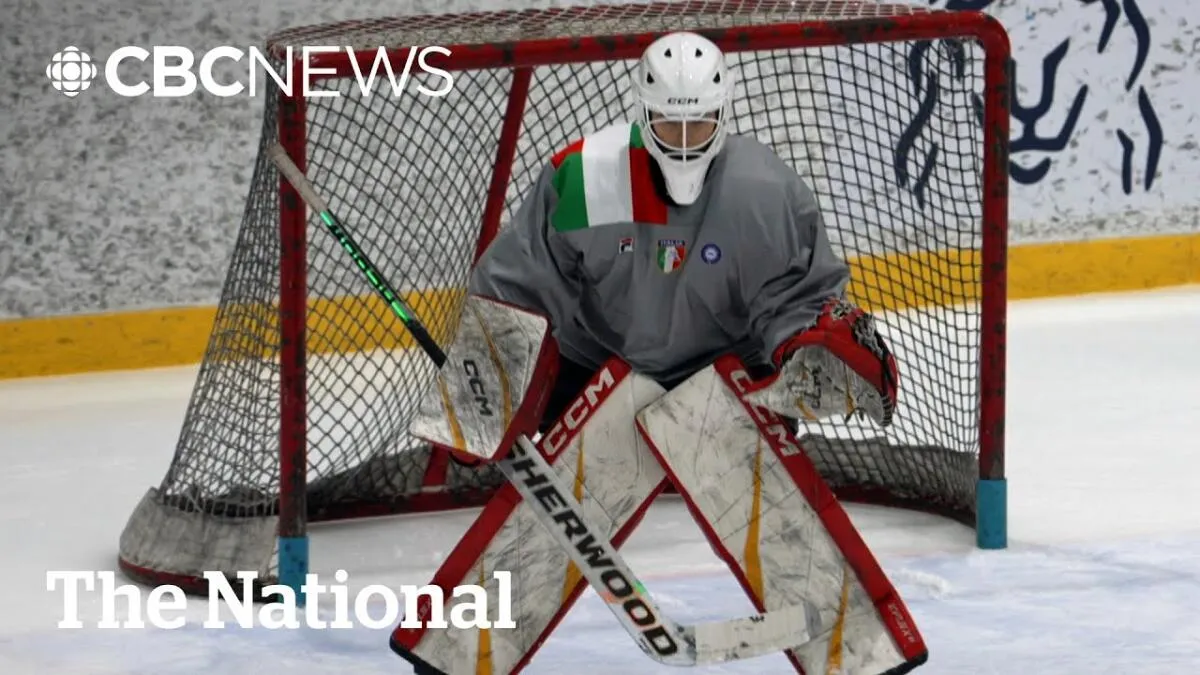
Sweden’s Jesper Wallstedt leads in goals saved above average per 60 at 5-on-5, dominating both high-danger and routine shots. The young netminder surpassed USA’s Connor Hellebuyck, last season’s MVP, in this stretch—not even on Sweden’s roster a year ago.
Wallstedt tops league goals above replacement, especially on high-danger chances. Hellebuyck holds strong multiyear marks, joined by Canada’s Darcy Kuemper and Logan Thompson, plus Sweden’s Filip Gustavsson.
Czechia’s Dan Vladar is the only other above-average on both shot types. Though not the starter over Lukas Dostal or Karel Vejmelka, he could steal minutes.
Check the goaltending chart. Wallstedt’s rise signals a changing guard between the pipes.
These metrics spotlight the talent converging in Italy, from McDavid’s speed to Wallstedt’s saves. As rosters finalize, expect data-driven dominance to shape medal contenders. The deeper field promises surprises, but these leaders hold the edge—what unfolds on the Olympic ice will redefine hockey excellence.
Frequently Asked Questions

Par Mike Jonderson
Mike Jonderson is a passionate hockey analyst and expert in advanced NHL statistics. A former college player and mathematics graduate, he combines his understanding of the game with technical expertise to develop innovative predictive models and contribute to the evolution of modern hockey analytics.