






The November 2, 2025 showdown between the Tampa Bay Lightning and Utah Mammoth presents an intriguing Western Conference matchup at the Delta Center in Salt Lake City. The Lightning arrive riding a four-game winning streak, bringing their record to 5-4-2 and looking to continue their resurgence after a somewhat inconsistent start to the season. Meanwhile, the Mammoth enter this contest at 8-3-0 following a rare setback—a 6-3 loss to Edmonton that snapped their impressive seven-game winning streak. This afternoon clash, scheduled for 3:30 PM ET on NHL Network, promises to showcase two teams trending in opposite directions yet both harboring postseason aspirations.
With both squads dealing with key injuries and adjustments to their lineups, this matchup offers insight into how depth and tactical flexibility can determine outcomes in the modern NHL. Tampa Bay’s veteran core will test Utah’s younger, dynamic roster in what should be a fast-paced, high-skill affair. The projected lineups for both teams reveal interesting strategic decisions that could prove decisive in this cross-conference battle.
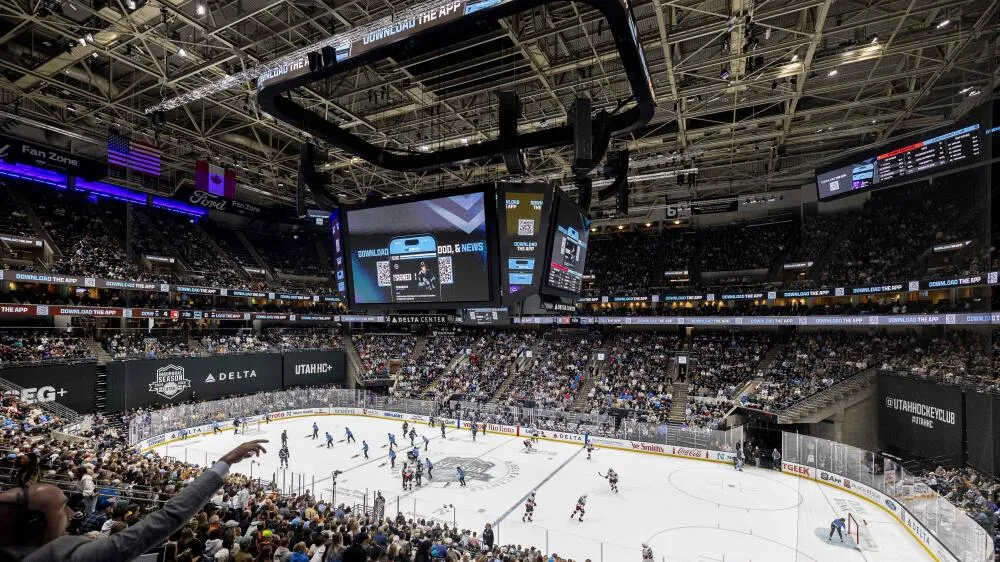
Tampa Bay Lightning vs Utah Mammoth projected lineup November 2, 2025: Lightning forward lines
The Lightning’s forward group showcases the offensive firepower that has defined Tampa Bay hockey for over a decade. The top line features the elite trio of Jake Guentzel, Brayden Point, and Nikita Kucherov—a combination that has chemistry written all over it. Guentzel has been productive early in the season with ten points on four goals and six assists, and he brings particularly relevant experience against Utah with five points in two meetings last season.
Point remains the engine that drives Tampa Bay’s offensive attack, while Kucherov continues to demonstrate why he’s considered one of the NHL’s premier playmakers. This line represents arguably the Lightning’s most dangerous weapon, capable of changing games in an instant with their combination of speed, skill, and hockey IQ. The trio’s ability to create space and exploit defensive breakdowns will be crucial against a Utah team that has shown occasional vulnerability in their own zone.
The second line of Brandon Hagel, Anthony Cirelli, and Curtis Douglas provides a fascinating blend of tenacity and versatility. Cirelli, one of the league’s most underrated two-way centers, anchors this unit with his defensive reliability and underrated offensive contributions. Douglas, claimed off waivers from Utah earlier this season, adds an interesting subplot to this matchup—facing his former organization for the first time. His familiarity with Utah’s systems could provide Tampa Bay with valuable insight.
The third and fourth lines demonstrate the depth that coach Jon Cooper values so highly. Oliver Bjorkstrand centers the third unit alongside Dominic James and Gage Goncalves, offering skilled secondary scoring that can exploit matchups against Utah’s lower defensive pairings. The fourth line of Zemgus Girgensons, Yanni Gourde, and Pontus Holmberg brings energy, defensive responsibility, and penalty-killing prowess. Gourde’s return to face one of his former teams adds emotional fuel to an already compelling matchup. Notably absent is Nick Paul, sidelined with an upper-body injury, though he traveled with the team and is expected to return to day-to-day status after this road trip concludes.
Tampa Bay Lightning vs Utah Mammoth projected lineup November 2, 2025: Lightning defensive corps and goaltending
Victor Hedman continues to anchor Tampa Bay’s blue line paired with J.J. Moser on the top defensive pairing. The future Hall of Famer brings his trademark blend of offensive instincts and defensive responsibility, logging heavy minutes in all situations. Hedman’s ability to quarterback the power play and shut down opposing top lines makes him invaluable, particularly in games where the Lightning need their defense to contribute offensively.
The second pairing features the recently-returned Ryan McDonagh alongside Erik Cernak, reuniting two pieces of Tampa Bay’s championship core. McDonagh’s veteran presence and hockey intelligence complement Cernak’s physical, shutdown style perfectly. This combination offers the Lightning a reliable defensive tandem capable of handling tough matchups and protecting leads late in games. Their experience in high-pressure situations could prove decisive if this game remains tight into the third period.
The third pairing of Emil Lilleberg and Charle-Edouard D’Astous represents Tampa Bay’s depth on the back end, with both defensemen capable of moving the puck efficiently and providing competent defensive coverage. Darren Raddysh sits as a scratch, while Max Crozier remains out with a lower-body injury, demonstrating the lineup flexibility Cooper must navigate. Jack Finley also finds himself scratched for this contest as the coaching staff opts for a more experienced lineup against a challenging opponent.
Between the pipes, Andrei Vasilevskiy gets the start for Tampa Bay. The reigning Vezina Trophy contender enters with a 3-3-2 record, posting a 2.61 goals-against average and .899 save percentage. While those numbers represent a slight dip from his usual elite standards, Vasilevskiy remains one of the game’s most capable goaltenders and has historically elevated his performance against top-tier opponents. Jonas Johansson serves as the backup, providing reliable insurance should the Lightning need to turn to their secondary option.
Tampa Bay Lightning vs Utah Mammoth projected lineup November 2, 2025: Mammoth forward combinations
Utah’s forward group displays the youthful energy and offensive creativity that has propelled them to an impressive 8-3-0 start. The top line of Clayton Keller, Barrett Hayton, and Nick Schmaltz brings pace and playmaking ability that can stretch opposing defenses. Keller continues to be the Utah Mammoth’s offensive catalyst, using his elite skating and vision to create scoring chances seemingly out of nowhere.
The second line features the dynamic trio of JJ Peterka, Logan Cooley, and Dylan Guenther—arguably the most dangerous collection of young talent in the lineup. Cooley has been exceptional this season with 12 points on eight goals and four assists, and he brings proven success against Tampa Bay with four points in four career meetings. His combination with Peterka and Guenther gives Utah a second line that could easily function as a top unit on many NHL rosters, providing scoring depth that overwhelms opponents.
Lawson Crouse anchors the third line alongside Jack McBain and Michael Carcone, offering a heavier, more physical presence than the skill-focused top two lines. This combination can wear down opposing defenses with sustained forecheck pressure while still possessing enough finishing ability to capitalize on opportunities. Carcone’s hockey sense and positioning make him an effective complementary player who can convert rebounds and loose pucks around the net.
The fourth line welcomes Kailer Yamamoto back into the lineup after sitting out the Edmonton loss, joining Kevin Stenlund and Brandon Tanev. This unit emphasizes speed, forecheck intensity, and defensive responsibility—characteristics that define successful fourth lines. Yamamoto replaces Liam O’Brien as coach André Tourigny opts for more speed against Tampa Bay’s mobile defense. Nick DeSimone and Kevin Rooney round out the scratched forwards, while Alex Kerfoot remains sidelined with a lower-body injury, creating opportunities for others to step up.
Tampa Bay Lightning vs Utah Mammoth projected lineup November 2, 2025: Mammoth blue line and netminding
Mikhail Sergachev leads Utah’s defensive corps paired with rookie sensation Dmitri Simashev on the top pairing. Sergachev brings championship pedigree from his time with Tampa Bay, adding an intriguing storyline as he faces his former teammates. His offensive capabilities from the back end provide Utah with a legitimate weapon on the power play, while Simashev’s mobility and defensive awareness have impressed observers throughout his rookie campaign. This pairing shoulders heavy responsibilities in all situations.
The second defensive pairing features Nate Schmidt alongside John Marino, combining veteran savvy with steady two-way play. Schmidt’s experience and ability to move the puck quickly out of the defensive zone complement Marino’s reliable positional play and penalty-killing expertise. This tandem provides Utah with a dependable second pairing that can handle significant minutes without seeing a notable drop-off in effectiveness from the top unit.
Ian Cole and Olli Maatta comprise the third pairing, offering a combination of physical presence and veteran experience. Both defensemen understand their roles—making simple, effective plays while avoiding costly mistakes in their own zone. Nick DeSimone sits as a healthy scratch, while Sean Durzi remains out with an upper-body injury, depriving Utah of another puck-moving option from the back end. Durzi’s absence has been felt, but the remaining group has compensated admirably during Utah’s strong start to the season.
The goaltending tandem of Karel Vejmelka and Vitek Vanecek provides Utah with a competent but unspectacular duo between the pipes. Vanecek draws the start for this matchup against the Lightning, bringing experience from his time in the Eastern Conference with New Jersey and Washington. His familiarity with Tampa Bay’s offensive tendencies could prove beneficial as he looks to contain the Lightning’s potent attack. Vejmelka stands ready as the backup, having provided solid relief appearances throughout the season’s opening weeks.
Tampa Bay Lightning vs Utah Mammoth projected lineup November 2, 2025: Mammoth forward combinations
Utah’s forward group displays the youthful energy and offensive creativity that has propelled them to an impressive 8-3-0 start. The top line of Clayton Keller, Barrett Hayton, and Nick Schmaltz brings pace and playmaking ability that can stretch opposing defenses. Keller continues to be the Utah Mammoth’s offensive catalyst, using his elite skating and vision to create scoring chances seemingly out of nowhere.
The second line features the dynamic trio of JJ Peterka, Logan Cooley, and Dylan Guenther—arguably the most dangerous collection of young talent in the lineup. Cooley has been exceptional this season with 12 points on eight goals and four assists, and he brings proven success against Tampa Bay with four points in four career meetings. His combination with Peterka and Guenther gives Utah a second line that could easily function as a top unit on many NHL rosters, providing scoring depth that overwhelms opponents.
Lawson Crouse anchors the third line alongside Jack McBain and Michael Carcone, offering a heavier, more physical presence than the skill-focused top two lines. This combination can wear down opposing defenses with sustained forecheck pressure while still possessing enough finishing ability to capitalize on opportunities. Carcone’s hockey sense and positioning make him an effective complementary player who can convert rebounds and loose pucks around the net.
The fourth line welcomes Kailer Yamamoto back into the lineup after sitting out the Edmonton loss, joining Kevin Stenlund and Brandon Tanev. This unit emphasizes speed, forecheck intensity, and defensive responsibility—characteristics that define successful fourth lines. Yamamoto replaces Liam O’Brien as coach André Tourigny opts for more speed against Tampa Bay’s mobile defense. Nick DeSimone and Kevin Rooney round out the scratched forwards, while Alex Kerfoot remains sidelined with a lower-body injury, creating opportunities for others to step up.
Tampa Bay Lightning vs Utah Mammoth projected lineup November 2, 2025: Mammoth blue line and netminding
Mikhail Sergachev leads Utah’s defensive corps paired with rookie sensation Dmitri Simashev on the top pairing. Sergachev brings championship pedigree from his time with Tampa Bay, adding an intriguing storyline as he faces his former teammates. His offensive capabilities from the back end provide Utah with a legitimate weapon on the power play, while Simashev’s mobility and defensive awareness have impressed observers throughout his rookie campaign. This pairing shoulders heavy responsibilities in all situations.
The second defensive pairing features Nate Schmidt alongside John Marino, combining veteran savvy with steady two-way play. Schmidt’s experience and ability to move the puck quickly out of the defensive zone complement Marino’s reliable positional play and penalty-killing expertise. This tandem provides Utah with a dependable second pairing that can handle significant minutes without seeing a notable drop-off in effectiveness from the top unit.
Ian Cole and Olli Maatta comprise the third pairing, offering a combination of physical presence and veteran experience. Both defensemen understand their roles—making simple, effective plays while avoiding costly mistakes in their own zone. Nick DeSimone sits as a healthy scratch, while Sean Durzi remains out with an upper-body injury, depriving Utah of another puck-moving option from the back end. Durzi’s absence has been felt, but the remaining group has compensated admirably during Utah’s strong start to the season.
The goaltending tandem of Karel Vejmelka and Vitek Vanecek provides Utah with a competent but unspectacular duo between the pipes. Vanecek draws the start for this matchup against the Lightning, bringing experience from his time in the Eastern Conference with New Jersey and Washington. His familiarity with Tampa Bay’s offensive tendencies could prove beneficial as he looks to contain the Lightning’s potent attack. Vejmelka stands ready as the backup, having provided solid relief appearances throughout the season’s opening weeks.
Tampa Bay Lightning vs Utah Mammoth projected lineup November 2, 2025: key matchups and strategic considerations
The clash between Tampa Bay’s experience and Utah’s youthful exuberance creates fascinating tactical dynamics. The Lightning enter having allowed just 1.8 goals per game during their four-game winning streak, demonstrating renewed defensive commitment that complements their offensive talent. Utah counters by averaging 3.9 goals per game over their last ten contests, showcasing the offensive firepower that carried them through their seven-game winning streak.
Special teams could determine the outcome of this tight matchup. Tampa Bay’s power play, traditionally one of the league’s most lethal with weapons like Kucherov, Point, and Hedman, must capitalize on opportunities against a Utah penalty kill that has shown occasional vulnerability. Conversely, Utah’s power play features skilled distributors in Keller and Schmaltz who can exploit any defensive lapses. The team that converts on the man advantage may gain a decisive edge in what projects as a closely contested affair.
Individual matchups also merit attention. The Guentzel-Point-Kucherov line will likely draw assignments against Utah’s top defensive pairing of Sergachev-Simashev, pitting former teammates against each other. Sergachev’s intimate knowledge of Tampa Bay’s systems and player tendencies could give Utah an advantage in anticipating offensive movements. Meanwhile, how Utah’s Cooley-Peterka-Guenther line fares against Tampa Bay’s second or third defensive pairings may ultimately swing momentum.
The goaltending duel between Vasilevskiy and Vanecek adds another compelling element. While Vasilevskiy boasts superior career credentials, his slightly elevated goals-against average this season suggests vulnerability that Utah must attack. Vanecek faces the challenge of containing one of the NHL’s most talented offensive rosters while his teammates attempt to solve a Lightning defense that has tightened considerably during their recent winning streak. Whichever netminder stands tallest will likely earn his team two valuable points in the standings.
This afternoon’s contest at the Delta Center promises competitive hockey between two teams harboring playoff ambitions. Tampa Bay seeks to extend their winning streak to five games while establishing themselves as legitimate contenders in the Eastern Conference. Utah aims to bounce back from their Edmonton defeat and reassert the dominance they displayed during their seven-game winning streak. With skilled lineups, motivated players, and tactical intrigue throughout the roster, this November 2 matchup delivers everything hockey fans crave in a regular-season showdown—and potentially provides a preview of the fast-paced, high-skill playoff hockey both organizations aspire to play deep into the spring.

Par Mike Jonderson
Mike Jonderson is a passionate hockey analyst and expert in advanced NHL statistics. A former college player and mathematics graduate, he combines his understanding of the game with technical expertise to develop innovative predictive models and contribute to the evolution of modern hockey analytics.