The United States men’s hockey team wrapped up preliminary round play on a high note, defeating Germany 5-1 to finish 3-0 in Group C at the Milano Cortina 2026 Winter Olympics. This victory secured nine points and the second overall seed, earning a bye straight to the quarterfinals. Captain Auston Matthews paced the offense with two goals, while Zach Werenski, Tage Thompson and Brock Faber also lit the lamp. The result sets up a potential clash with the winner of Sweden-Latvia in the knockout stage.
With no major injuries and consistent scoring from all lines, Team USA enters the medal round with momentum under general manager Bill Guerin. The performance validated the roster’s depth against a competitive Group C field.
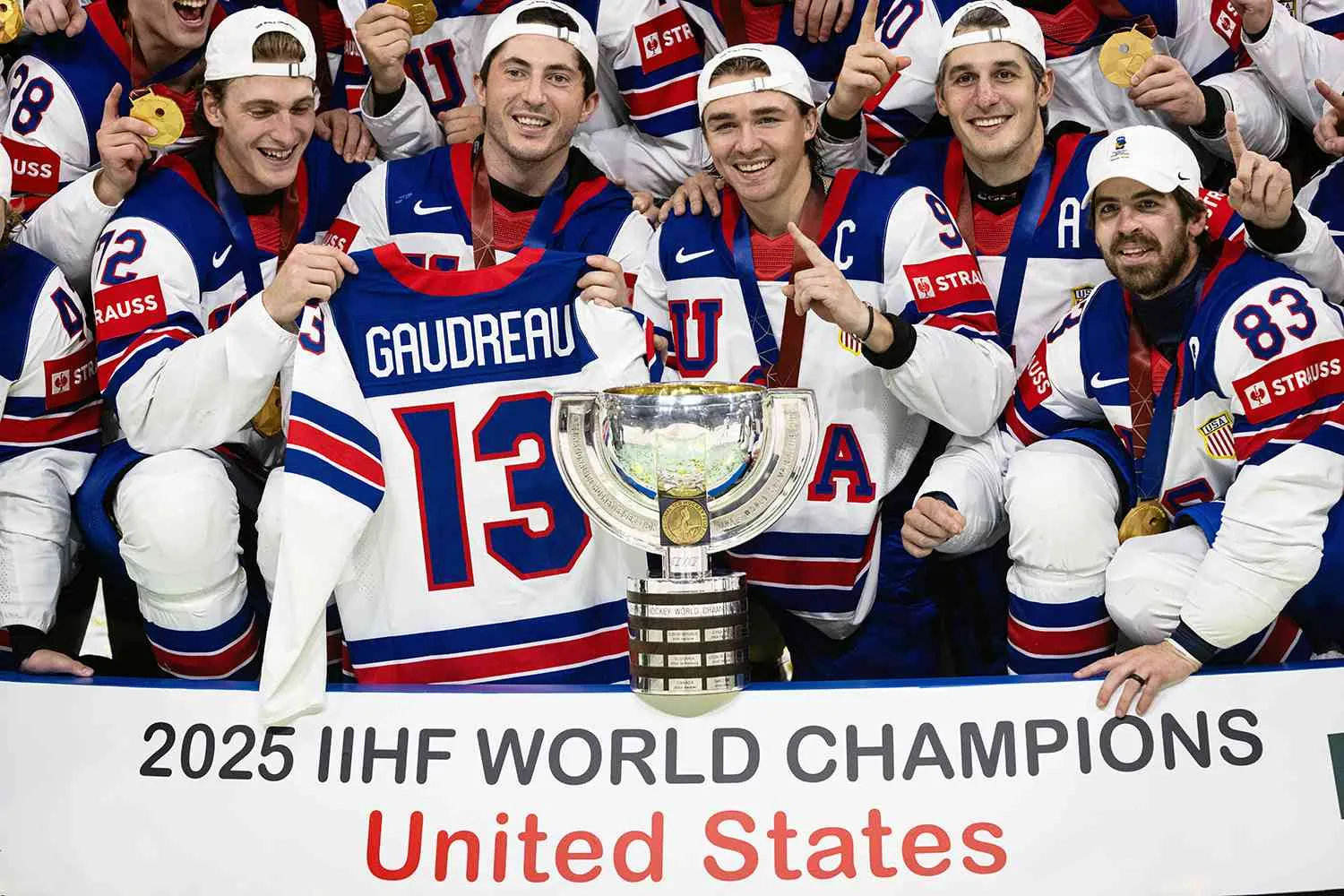
Efficient dominance defines the group stage
Team USA’s run through Group C was textbook execution: efficient, confidence-boosting and flawless. They outscored opponents 13-2 after the first period across three games, overwhelming Latvia, Denmark and Germany once settled in. Every forward line chipped in offensively, a stark improvement from earlier tune-ups like the 4 Nations Face-Off.
The fourth line emerged as a standout, with Jack Hughes rediscovering his form on the wing alongside Brock Nelson. Hughes shifted from looking out of place to channeling Patrick Kane’s creativity, generating chances and energy. Tage Thompson, motivated by his recent roster snub, added power and finish, including a highlight-reel goal against Germany.
Defensively, the corps proved stout and versatile. Quinn Hughes and Zach Werenski dominated in all zones, breaking plays and joining rushes. Jaccob Slavin has yet to peak, saving his best for playoffs, while Connor Hellebuyck provided stability in net against Latvia and Germany—pucks simply stuck.
This balance positions the U.S. well for elimination games, even if they weren’t the steamroller Canada appeared in round-robin play. Guerin’s selections have built a medal contender, especially in the tournament’s softest group.
No red flags beyond one outlier: Jeremy Swayman’s long-range concession to Denmark. Otherwise, it’s smooth sailing into the quarters.
Slow starts raise minor alarms
One recurring theme marred the otherwise perfect record: sluggish openings against lesser foes. Against Germany, the first period ended in a scoreless stalemate until Werenski’s snipe with nine seconds left, assisted by Matthews. Similar patterns played out versus Latvia (1-1 after one) and Denmark (trailing 2-1).
German netminder Maximilian Franzreb frustrated early power-play chances, keeping it tight. Team USA exhaled only after that late opener, then poured it on with second-period strikes from Matthews and Faber.
The math was simple—Canada’s 10-2 rout of France meant a 10-goal win was needed for the top seed. No surprise they avoided overexertion early. Still, outscoring rivals 9-1 post-first shows resilience.
In knockout hockey, such trends invite peril. Superior teams like Sweden or Canada exploit tentative starts with no room for comebacks. Adjustments must sharpen for Wednesday’s action.
Tkachuk brothers deliver grit and gamesmanship
Matthew and Brady Tkachuk injected the spark Team USA craved, thriving in physical, agitating roles. Brady threw hits from puck drop, disrupting Germany’s flow. Matthew set up goals for Matthews and Faber while trash-talking Leon Draisaitl at the bench: “Always a bridesmaid, never a bride.”
Their edge suits high-stakes play, eyeing a Canada rematch for gold—the U.S.’s first since 1980. The Panthers-Oilers Stanley Cup history adds personal bite to Tkachuk’s jab.
Even off-ice, the brothers charmed, surviving an interview grilling from Elmo of Sesame Street fame. Their antics kept the bench lively amid cruise-control moments.
Such intangibles could prove decisive against playoff pressure.
Auston Matthews proves his worth as captain
Auston Matthews silenced critics with a two-goal, one-assist masterpiece, earning player-of-the-game honors. His cross-ice saucer fed Werenski’s opener, a dagger in the first. Then, battling in front for a power-play tally, followed by a third-period tip on Jake Sanderson’s shot.
Pre-tournament knocks questioned his captaincy post-4 Nations (three assists, no goals) and depth chart spot behind Jack Eichel. Against Germany, he delivered net-front menace alongside Matt Boldy and Jake Guentzel.
This line gels shift-by-shift, building chemistry for quarters. Matthews’ response quiets doubters, affirming his leadership.
Quarterfinal test: Navigating Sweden’s depth
As No. 2 seed, Team USA draws the Sweden-Latvia winner Tuesday. Sweden, consensus third-best entering Milan, boasts elite defense rivaling the U.S., plus veterans like Jacob Markstrom in net.
Group B chaos seeded Tre Kronor seventh, but their skill and poise ignore hype. Latvia’s peskiness upset odds before; Italy scared Sweden too.
Canada fans relish the U.S. path’s thorns en route to gold-medal potential. Beating Sweden demands full throttle—no slow starts.
For deeper analysis on Team USA’s Latvia opener, check our preview coverage.
Solid team grade amid measured effort
Overall: A-. Objectives met—win the group, stay healthy—against stiffer opposition than prior games. Hellebuyck owns the crease moving forward, shrugging off one lapse.
The partisan crowd witnessed control post-first, though not peak machine. Defenseman Brock Faber captured it postgame: “There are still things we need to clean up. Now, it gets real.”
Goal scorers:
- Zach Werenski (1G, 0A)
- Auston Matthews (2G, 1A)
- Tage Thompson (1G)
- Brock Faber (1G)
This foundation tees up medal contention. Full recap at ESPN.
Team USA’s blend of skill, depth and fire positions them for a deep run. Overcoming early kinks unlocks gold-medal dreams against North American rivals or European powers. The real test begins now—what adjustments yield hardware?
Frequently Asked Questions

Par Mike Jonderson
Mike Jonderson is a passionate hockey analyst and expert in advanced NHL statistics. A former college player and mathematics graduate, he combines his understanding of the game with technical expertise to develop innovative predictive models and contribute to the evolution of modern hockey analytics.