






The Toronto Maple Leafs have long carried the weight of high expectations, but as the 2025-26 season unfolds, familiar concerns are resurfacing. Despite organizational changes designed to transform the culture, including a new head coach in Craig Berube and roster adjustments that saw the departure of franchise cornerstone Mitch Marner, questions persist about whether this iteration of the team possesses the leadership necessary to break through when it matters most.
What makes these doubts particularly troubling is their timing. After another early playoff exit and significant front-office restructuring, Toronto was supposed to emerge tougher, more accountable, and better equipped to handle adversity. Instead, the opening stretch of the season has exposed old wounds and raised new questions about captain Auston Matthews’ leadership style, the team’s collective response to adversity, and whether the promised cultural shift has actually taken root.
Understanding the Toronto Maple Leafs leadership questions surrounding the captain
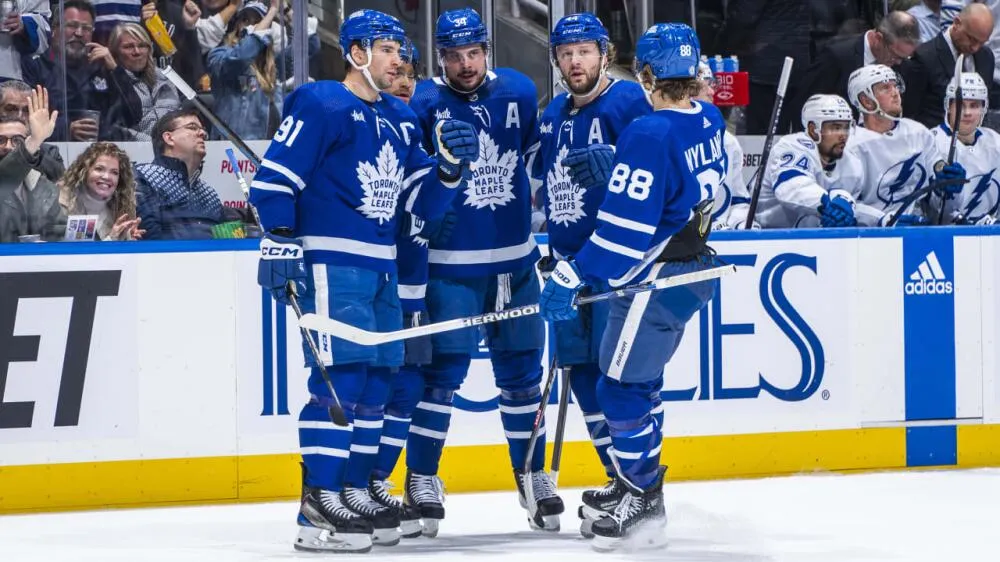
The decision to name Auston Matthews captain before last season was viewed by many as inevitable. He’s one of the most talented players in franchise history, a generational goal scorer who has delivered elite production year after year. Yet talent and leadership, while sometimes aligned, don’t always overlap seamlessly.
Critics have begun to question whether Matthews possesses the visible fire and emotional intensity that championship teams require from their captain. Following lackluster performances, including a deflating loss to New Jersey where the team appeared lifeless, fans and commentators noted Matthews’ measured, almost detached demeanor. One frustration expressed by supporters was simple but cutting: “You just need to watch Matthews’ interviews to know he has no fire.”
It’s not that Matthews lacks commitment or work ethic. Head coach Craig Berube has praised his captain’s preparation and consistency, comparing Matthews to former St. Louis Blues captain Ryan O’Reilly, who helped deliver a Stanley Cup in 2019. Berube emphasized that Matthews “leads by example” and is “arguably one of the best players in practice every day.” That steady, professional approach works for some players, but championship teams often need more than quiet leadership behind the scenes.
The comparison to O’Reilly is instructive. O’Reilly was similarly soft-spoken but carried an unmistakable edge when the stakes were highest. Whether Matthews can summon that same intensity in critical moments remains an open question, particularly when the team mirrors his calm disposition and appears to drift during adversity. Some have suggested that Morgan Rielly or even John Tavares—who previously wore the “C”—might have provided a different emotional pulse.
Matthews himself has acknowledged the responsibility that comes with the captaincy. In September, as training camp opened, he spoke about taking ownership for the departures that followed another playoff disappointment. “You definitely take it personal,” Matthews said. “We just have to try to take responsibility and know that you have to be better.” Yet for all the right words, the on-ice product hasn’t consistently reflected that urgency.
The team’s response to internal criticism about Toronto Maple Leafs leadership questions
Perhaps no moment this season better captured the leadership vacuum than what happened after goaltender Anthony Stolarz publicly called out the team. Following a frustrating overtime loss to Seattle, in which Stolarz was run over with little response from his teammates, the veteran netminder didn’t mince words. He stated the team was “outworked” and lacked the necessary intensity to protect their goalie and compete at the required level.
It was a rare and raw expression of frustration from a player who had every right to expect his teammates to have his back. Fans and media expected Toronto to come out with a statement performance in their next game, showing the accountability and toughness Berube had preached since his arrival. Instead, the Maple Leafs delivered one of their flattest efforts of the season against New Jersey.
The lack of response was deflating. If Stolarz’s words couldn’t spark a fire, what could? Berube backed his goaltender, and Matthews publicly acknowledged the message, saying, “We’re a veteran group. We’re all big boys. You don’t need to beat around the bush.” Yet the mature response in the press conference didn’t translate into action on the ice.
This disconnect between words and deeds has become a troubling pattern. Tavares used the word “sloppy” to describe back-to-back performances. William Nylander and Matthews both acknowledged the need to be better. But acknowledgment without tangible change only deepens the frustration among a fanbase that has heard similar promises season after season.
The episode also highlighted a broader concern: that accountability within the organization, for all the talk of a new culture under Berube, hasn’t reached the players who need it most. When stars underperform or coast through shifts, consequences remain absent. The physical additions to the bottom six—players brought in specifically to add grit and energy—haven’t shifted the team’s overall identity if the top players continue to set a passive tone.
Fan frustration and fading belief in Toronto Maple Leafs leadership questions
Even the most optimistic Maple Leafs supporters are beginning to express resignation. One longtime fan captured the sentiment perfectly: “As optimistic and as faithful to the underachieving Leafs as you have been, your recent posts reluctantly seem to portray a picture that this team is in trouble.”
That erosion of faith isn’t rooted in unrealistic expectations. Toronto finished first in the Atlantic Division last season with 108 points and boasted one of the league’s best goaltending tandems in Stolarz and Joseph Woll, who helped the team allow just 229 goals. Yet once again, when the playoffs arrived, the Maple Leafs fell short, losing to Florida in seven games after taking a 2-0 series lead.
The repeated pattern has worn down belief. Fans aren’t asking for perfection in October—they’re asking for evidence that something fundamental has changed. They want to see stars held accountable. They want visible emotion and urgency. They want games where, even in defeat, the team leaves everything on the ice.
Instead, they’re seeing what feels like a rerun. One frustrated commenter wrote, “Why won’t anyone sit these effortless millionaires?” The sentiment, while harsh, reflects genuine exasperation. Another added, “Sit them for three games. Call up some AHL standups. I’d rather watch a team lose giving 100% than coast through another season watching our highest-paid players glide.”
These aren’t casual observers. These are people who have invested years—decades in some cases—into supporting a franchise that hasn’t advanced past the second round since 2002. They’ve watched regime changes, coaching changes, roster overhauls, and philosophical shifts, only to see the same story repeat itself. The promise of a grittier, more accountable team under Berube and general manager Brad Treliving hasn’t yet materialized in meaningful ways. According to a recent report from The Hockey Writers, readers’ faith in the team is fading as leadership questions mount and the team continues to lack the fire promised during the offseason.
What meaningful change looks like for addressing Toronto Maple Leafs leadership questions
For the Maple Leafs to genuinely evolve, leadership must extend beyond press conferences and into tangible moments of urgency. Championship teams respond when challenged. They protect their goaltenders. They push back physically when opponents take liberties. They show visible emotion when things aren’t going well.
At training camp in September, the leadership group of Matthews, Tavares, and Rielly presented a united front, emphasizing accountability and responsibility for the organizational changes that followed last season’s disappointment. Rielly stated plainly, “As players, you take responsibility.” Tavares added, “We’re grateful for the impact those people made, but we have to be better.”
Those words need to translate into action. Matthews, in particular, must find ways to visibly elevate his emotional intensity without sacrificing the professionalism and preparation that define his game. Tavares, no longer wearing the captaincy but still a respected voice, needs to continue setting an example of consistent effort and compete level. Rielly, the longest-tenured Maple Leaf, must anchor the defensive mindset that championship teams require.
Beyond the core players, Berube faces the challenge of implementing consequences for poor performances, even when those performances come from star players. Healthy scratches, reduced ice time, or lineup shuffles might seem drastic, but they send a message that no one is above accountability. That’s especially important in a market like Toronto, where comfort and complacency can quietly take root amid lucrative contracts and media attention.
The coming weeks will reveal whether the Maple Leafs can course-correct. The schedule features winnable games against Buffalo, Columbus, Philadelphia, and Pittsburgh—opponents Toronto should handle if they’re truly a contender. But results matter less right now than the manner in which they’re achieved. Do the Maple Leafs play with urgency? Do they respond when challenged? Do they protect their goaltender and compete for pucks with intensity?
These questions aren’t about one game or one stretch of the season. They’re about proving that the culture Berube and Treliving have tried to instill actually exists. Because if it doesn’t, if this team continues to drift through games with the same passive approach that has defined their playoff exits, then the leadership questions surrounding Auston Matthews and the broader group won’t simply persist—they’ll intensify. And for a fanbase that hasn’t celebrated a Stanley Cup in nearly six decades, patience is wearing dangerously thin.

Par Mike Jonderson
Mike Jonderson is a passionate hockey analyst and expert in advanced NHL statistics. A former college player and mathematics graduate, he combines his understanding of the game with technical expertise to develop innovative predictive models and contribute to the evolution of modern hockey analytics.