






The Vancouver Canucks find themselves navigating choppy waters in October 2025, dealing with a mounting injury list that has tested the team’s depth and organizational resilience. As the season enters its early stages, general manager Patrik Allvin and head coach Rick Tocchet have been forced to shuffle lines, call up prospects, and make strategic roster moves to keep the team competitive. The injury bug has hit multiple positions, from forward to defense, creating both challenges and opportunities for players throughout the system.
With several key contributors sidelined and recovery timelines ranging from days to weeks, the Canucks organization has demonstrated the importance of having a deep farm system in Abbotsford. The situation has also opened doors for young prospects to prove themselves at the NHL level while veterans work their way back to full health. Here’s a comprehensive breakdown of the current injury situation and how it’s shaping the Canucks’ roster heading into late October.
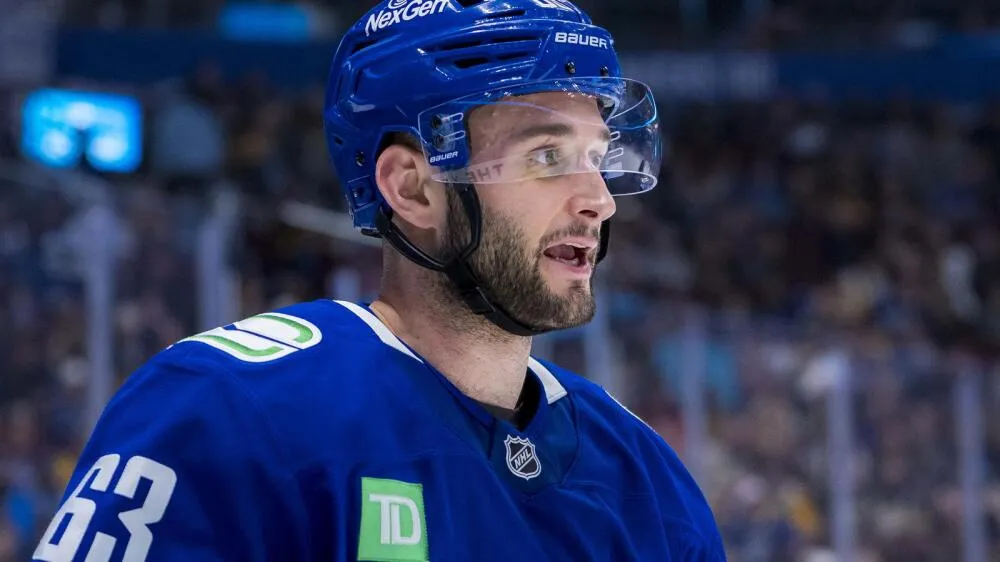
Current injured reserve situation for the Vancouver Canucks in October 2025
The Canucks’ injury report as of October 21, 2025, reveals a significant list of sidelined players affecting both forward depth and defensive pairings. According to the official Vancouver Canucks injury report, four players currently occupy injured reserve spots, each presenting unique challenges for roster management.
Filip Chytil leads the injury concerns after being placed on injured reserve retroactive to October 19. The center’s absence removes an important piece from the Canucks’ middle-six forward group, forcing the coaching staff to re-evaluate line combinations and face-off responsibilities. Chytil’s upper-body injury is expected to keep him out until at least October 28, giving the team a clear timeline for planning purposes.
Jonathan Lekkerimäki, one of the organization’s most promising young prospects, also landed on injured reserve with the same retroactive date. The Swedish forward had shown flashes of his potential in limited action, recording a goal and five hits in four games before the injury struck. General manager Patrik Allvin has indicated that Lekkerimäki will remain sidelined for another two to three weeks, a significant setback for a player who was beginning to carve out a role in the lineup.
Teddy Blueger’s placement on injured reserve, also retroactive to October 19, further depletes the Canucks’ center depth. The undisclosed injury has forced Nils Aman into regular duty, providing the young center with an extended opportunity to demonstrate his NHL readiness. While Blueger’s defensive acumen and penalty-killing expertise will be missed, the injury timeline appears shorter than some of his teammates.
Derek Forbort’s situation on the blue line presents additional complications. The 33-year-old defenseman suffered a setback in his recovery process and is now considered week-to-week according to Allvin’s recent updates. This indefinite timeline makes roster planning more challenging, as the team cannot pinpoint when they’ll have their full defensive complement available.
Nils Höglander’s long-term injured reserve placement impacts the roster
The most significant injury designation belongs to Nils Höglander, who was placed on long-term injured reserve (LTIR) retroactive to October 7. This designation indicates a minimum absence of 10 games and 24 days, representing a substantial blow to the Canucks’ forward depth and offensive production.
Höglander’s placement on LTIR carries important salary cap implications that have shaped the team’s subsequent roster moves. The LTIR designation provides cap relief that allowed the Canucks to add players like Lukas Reichel without running into financial constraints. This strategic flexibility has proven essential as the team manages its injured reserve list while maintaining competitive depth throughout the lineup.
The lower-body injury that sidelined Höglander removes one of the team’s more dynamic offensive threats from the equation. Known for his tenacious forechecking and ability to create turnovers in the offensive zone, Höglander’s absence affects the Canucks’ overall playing style. His energy and willingness to engage physically had made him a valuable piece, particularly on lines that needed a spark.
The extended timeline means the Canucks will need to find production elsewhere while Höglander works through his rehabilitation. Players like Max Sasson have stepped up admirably, with the young forward notching three goals in five games since his call-up from Abbotsford. These opportunities might not have materialized without the injuries, providing a silver lining to an otherwise challenging situation.
Roster moves and call-ups address the Vancouver Canucks injury report for October 2025
In response to the mounting injuries, the Canucks have executed several roster transactions to maintain competitive depth. The recall of forward Joseph LaBate and defenseman Jimmy Schuldt from Abbotsford demonstrates the organization’s commitment to keeping fresh legs in the lineup while injured players recover.
LaBate brings veteran AHL experience and can slot into various forward positions as needed. His recall provides insurance for the depleted forward group and gives the coaching staff options when constructing line combinations. The 31-year-old journeyman may not be a flashy addition, but his professionalism and ability to understand his role make him a reliable depth piece during this challenging period.
Schuldt’s recall addresses the uncertainty surrounding Forbort’s recovery timeline. The defenseman provides right-shot depth on the blue line and has shown competence in limited NHL appearances throughout his career. While Victor Mancini was assigned to Abbotsford to create roster space, Schuldt’s experience edge made him the preferred call-up for the immediate situation.
The most intriguing roster addition came via trade rather than internal promotion. The Canucks acquired Lukas Reichel from the Chicago Blackhawks for a 2027 fourth-round pick, bringing in a former first-round selection who needed a fresh start. The 23-year-old’s speed and offensive instincts offer upside that typical AHL call-ups cannot provide, potentially giving the Canucks a long-term asset beyond simply filling an injury void.
Max Sasson’s continued presence in the NHL lineup represents perhaps the most successful story emerging from the injury situation. The young forward has seized his opportunity with both hands, displaying improved skating speed and assertiveness compared to his previous NHL stint. His three goals in five games have earned him a longer look, and he may have played his way into regular consideration even when the injured players return.
Trade acquisition of Lukas Reichel provides offensive depth amid injuries
The Lukas Reichel acquisition signals the Canucks’ belief that they can help the struggling forward rediscover the form that made him a first-round pick. Selected 17th overall by Chicago in 2020, Reichel has posted modest numbers over two full NHL seasons, never quite breaking through as the offensive threat scouts envisioned.
Captain Quinn Hughes acknowledged the challenge of integrating new players during an injury-riddled stretch: “Obviously, we’d have liked a better result, but we’re ready to go home and have a good homestand.” The sentiment reflects the team’s determination to maintain competitiveness despite the roster turnover and lineup adjustments forced by injuries.
Reichel’s arrival coincided with Lekkerimäki’s injury, creating an interesting dynamic for when the Swedish prospect returns to health. Both players bring offensive skill sets and project as potential middle-six contributors, meaning they may ultimately compete for similar roles. This internal competition could benefit the organization long-term, even if it creates difficult roster decisions in the short term.
The 23-year-old German forward started the 2025-26 season with four points in five games for Chicago, showing glimpses of productivity before the trade. Vancouver will likely deploy him in a bottom-six role initially, allowing him to adjust to new systems and build chemistry with teammates. As detailed by The Hockey Writers’ coverage of the Canucks’ recent moves, the organization views Reichel as a reclamation project with genuine upside if the change of scenery unlocks his potential.
Defensive complications and Derek Forbort’s week-to-week status
The blue line has not escaped the injury crisis, with Forbort’s setback creating uncertainty in the defensive rotation. At 33 years old, the veteran defenseman wasn’t guaranteed a full-time spot even when healthy, but his experience and physical presence provide value that’s difficult to replace entirely with younger options.
Forbort’s week-to-week designation lacks the precision of other injury timelines, making it challenging for the coaching staff to plan pairings with confidence. This ambiguity forces the team to maintain extra defensive depth on the roster, potentially limiting flexibility in other areas. The situation also places additional pressure on the remaining healthy defensemen to log heavy minutes until reinforcements arrive.
The Canucks’ defensive corps has shown resilience despite the absences, but fatigue becomes a concern as the season progresses. Players like Quinn Hughes already shoulder enormous responsibility in all situations, and asking them to do even more without adequate support risks both performance decline and additional injuries. The organization must carefully balance short-term competitive needs with long-term player health.
Jimmy Schuldt’s recall provides temporary relief, but the team will breathe easier once Forbort can return to action. The veteran’s familiarity with the system and ability to play a simple, effective game makes him a stabilizing presence on the third pairing. Until then, younger defensemen must continue stepping up and handling increased roles beyond their typical comfort zones.
How the Vancouver Canucks injury report for October 2025 affects team performance
The injury situation has contributed to an inconsistent start to the season, with the Canucks showing both promise and frustration in early results. A five-game road trip that began with three consecutive victories ended with disappointing losses to Pittsburgh (5-1) and Nashville (2-1), highlighting how quickly momentum can shift when roster stability remains elusive.
Offensive production has fluctuated as line combinations constantly change to accommodate returning and departing players. Conor Garland leads the team in assists (five) and points (seven), demonstrating consistent production even as his linemates rotate. However, the lack of sustained chemistry on lines makes it difficult to develop the offensive rhythm that typically emerges as seasons progress.
Kiefer Sherwood has provided a bright spot with his relentless forechecking and physical engagement, notching four goals while maintaining the energetic presence that defines his game. His consistency offers a model for other players navigating the uncertainty that injuries create throughout the lineup. Sherwood’s ability to impact games through speed and tenacity doesn’t require extensive chemistry with linemates, making him particularly valuable during transitional periods.
The defensive structure has generally held up despite the personnel changes, though the Nashville game showed cracks with limited offensive support. The team’s ability to limit high-danger chances remains solid, but converting defensive zone wins into sustained offensive pressure has proven challenging. This disconnect between defensive competence and offensive production often characterizes teams dealing with significant injury complications.
Recovery timelines and expected returns for injured Vancouver Canucks players
Filip Chytil’s expected return around October 28 will provide the first significant boost to the forward group. His return should stabilize the center position and allow other players to shift back to more natural roles within the lineup. The upper-body injury appears to have a clear recovery path, giving both the player and organization confidence in the timeline.
Jonathan Lekkerimäki faces a longer road back, with the two-to-three-week projection extending his absence into mid-November at the earliest. The young Swede will need time to regain game conditioning after the extended layoff, potentially delaying his impact even after medical clearance. The organization must balance enthusiasm for his potential with patience regarding his development timeline.
Teddy Blueger’s undisclosed injury carries the shortest expected absence among the current injured reserve group. His return will push Nils Aman back into a reduced role or potentially result in a roster move to maintain cap compliance. The defensive specialist’s penalty-killing expertise and face-off reliability will be welcomed back into the lineup as soon as he’s medically cleared.
Derek Forbort’s week-to-week status makes prediction difficult, but the setback suggests a return timeline extending into November at minimum. The organization will not rush the 33-year-old back given his age and the importance of ensuring full recovery. When he does return, there may be roster competition for his spot depending on how the younger defensemen perform in his absence.
Nils Höglander’s LTIR designation means the earliest possible return would fall in early November, though the actual timeline may extend beyond that depending on his rehabilitation progress. The organization will monitor his conditioning closely, knowing that returning too quickly risks reinjury and extended absence. His eventual return will force roster decisions, potentially resulting in players like Max Sasson returning to Abbotsford despite strong performance.
Looking ahead: managing the Vancouver Canucks roster through October’s injury challenges
The coming weeks will test the organization’s depth and the coaching staff’s ability to maximize available talent. As reported by various sources tracking the situation, the Canucks have already used an extensive number of different player combinations early in the season, leading the league in roster turnover. This constant adjustment makes establishing team identity and consistent systems more challenging.
The homestand following the road trip provides an opportunity to stabilize and build momentum with a friendlier travel schedule. Home games allow for better practice routines and recovery protocols, potentially helping injured players progress more quickly through their rehabilitation programs. The familiar environment may also help newer players like Reichel integrate more smoothly into team systems and culture.
Prospect development represents an unexpected benefit of the injury situation, with players like Sasson gaining valuable NHL experience they might not have received otherwise. These opportunities can accelerate development timelines and provide the organization with better information about which prospects merit future roster consideration. The challenge lies in balancing competitive goals with developmental objectives, particularly for a team with playoff aspirations.
The salary cap implications of the LTIR situation provide flexibility, but returning players will eventually force difficult roster decisions. The Canucks must determine which call-ups have earned extended opportunities and which players become expendable when the roster returns to full health. These decisions will shape not only the remainder of the 2025-26 season but potentially the franchise’s medium-term trajectory as well.
As October draws to a close, the Canucks face a critical period where managing injuries effectively could define their season. The organization’s depth is being tested in real time, revealing both strengths and weaknesses in the roster construction. How the team navigates these challenges over the next few weeks will determine whether they emerge as a resilient contender or a team that struggled to overcome early adversity. With several key players nearing return and others stepping up in expanded roles, the next chapter of the Canucks’ season promises to be both challenging and revealing as they work to establish consistency and climb the standings despite the ongoing roster complications.

Par Mike Jonderson
Mike Jonderson is a passionate hockey analyst and expert in advanced NHL statistics. A former college player and mathematics graduate, he combines his understanding of the game with technical expertise to develop innovative predictive models and contribute to the evolution of modern hockey analytics.