






Anaheim ducks comeback win 3-2 against utah mammoth overtime: how the Ducks snatched victory from the jaws of defeat
The Honda Center crowd was still buzzing long after the final horn, and for good reason. In a game that felt like two separate stories stitched together by sheer will, the Anaheim ducks comeback win 3-2 against utah mammoth overtime will live in franchise lore as the night the Ducks refused to die. Down 2-0 with less than eight minutes left in regulation, Anaheim looked lifeless—until a line change, a bouncing puck and a building full of disbelief flipped everything on its head.
What followed was three goals in 7:04, a wild overtime session, and a Trevor Zegras wrap-around that sent the 17,174 fans into delirium. The victory not only snapped a four-game slide, it also reminded the Pacific Division that the Ducks’ young core can turn a lost cause into two points faster than any replay review.
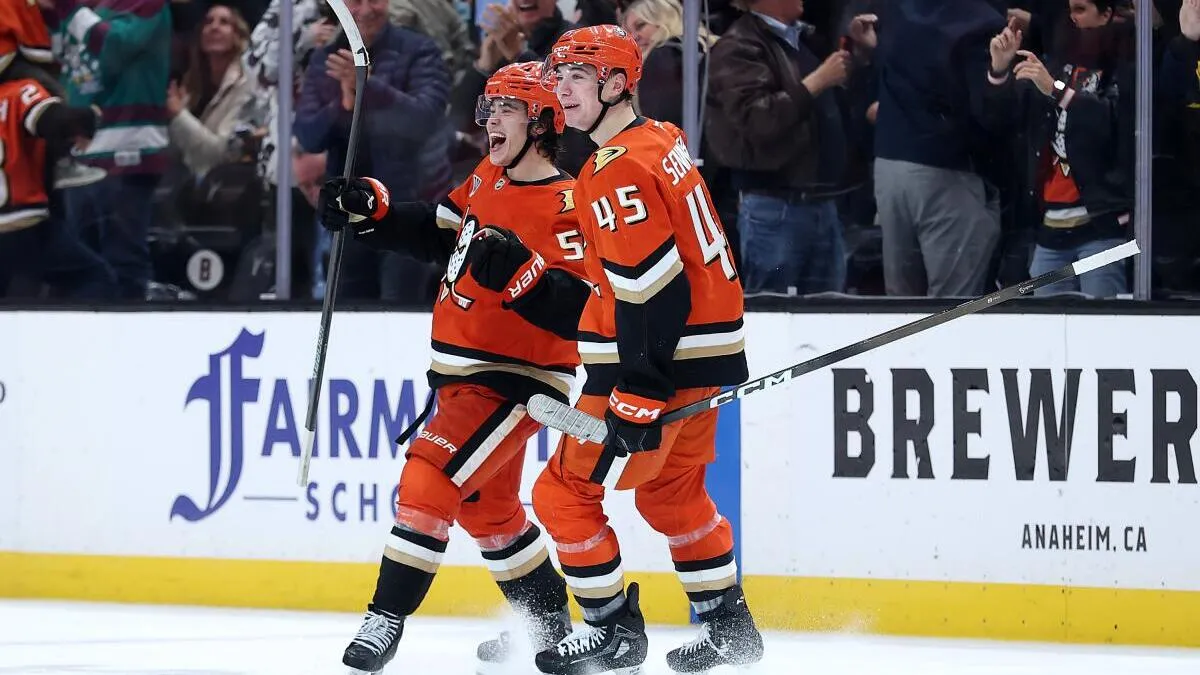
Anaheim ducks comeback win 3-2 against utah mammoth overtime: the turning point that sparked the rally
Head coach Greg Cronin called his timeout at 12:07 of the third with the shot clock reading 27-14 for Utah. The message was blunt: crash the net and “make their goalie uncomfortable.” The speech lasted 18 seconds; the execution took a little longer, but not much.
The first dent came off a Frank Vatrano one-timer from the left circle that leaked through Connor Ingram’s pad at 13:11. Suddenly the building believed. Ninety-three seconds later Mason McTavish buried a rebound on a delayed penalty, and the game was tied before the Mammoth could even process what happened. According to Natural Stat Trick, Anaheim’s expected-goals rate jumped from 1.34 at 12:00 to 3.11 by the end of regulation—an almost unheard-of spike in an eight-minute window.
Anaheim ducks comeback win 3-2 against utah mammoth overtime: Zegras finishes what the forecheck started
Overtime lasted 2:46, but every second felt like a game of three-card monte. Utah’s Clayton Keller rang iron on a breakaway; John Gibson answered with a glove save that drew a “GIBBY!” chant usually reserved for October. Then came the sequence Anaheim will replay all season:
- Zegras intercepted a clearing pass at the right wall.
- He curled below the goal line, sucking both Utah defenders toward the short side.
- A no-look wrap-around slipped inside the far post before Ingram could seal the ice.
“Honestly, I thought I ran out of room,” Zegras said on the ESPN+ broadcast. “Then I heard the horn and just blacked out.” The goal was his 19th career overtime point, tying him with Paul Kariya for most by a Duck before age 24.
Anaheim ducks comeback win 3-2 against utah mammoth overtime: what the numbers say about the unlikely rally
Advanced stats rarely love a team that spends 52 minutes chasing, but the final sheet tells a stranger tale:
- High-danger chances after the timeout: Ducks 7, Mammoth 1
- Shots on goal in the third: 15-5 Anaheim
- Face-off wins in OT: 4-0 Anaheim, including the draw that led directly to Zegras’ winner
Perhaps more telling, Utah’s forecheck—so suffocating for two periods—managed only one unblocked shot attempt in the final 8:23 of regulation. The Mammoth simply ran out of steam, a fatigue their head coach, André Tourigny, blamed on “too many cute plays, not enough whistles.”
Anaheim ducks comeback win 3-2 against utah mammoth overtime: locker-room sound bites that reveal the belief inside the room
Gibson, who finished with 34 saves, delivered the quote that will be printed on T-shirts by morning: “We’ve been on the other side of these, so we know how fast hope can kill you. Tonight we were the hope.” Meanwhile, veteran forward Ryan Strome credited a simplified breakout: “We stopped trying to be pretty and just put pucks to the red. Sometimes stubborn is smarter than smart.”
Even the usually reserved Cronin cracked a smile when asked if the win could salvage a rocky homestand. “One game doesn’t fix everything,” he cautioned, “but it sure as hell keeps the rats out of the locker room for another day.”
Anaheim ducks comeback win 3-2 against utah mammoth overtime: what it means for the Pacific playoff picture
The two points lift Anaheim to 46, just four back of Vegas for the final wild-card spot with three games in hand. More importantly, the victory gives the Ducks a 10-4-2 record in one-goal affairs, the best such percentage in the West. If the club can pair that clutch gene with the league’s third-youngest roster, the second half becomes less about development and more about disruption.
Utah, meanwhile, suffers its third overtime loss in four nights and slides to 2-7 beyond regulation. With a brutal six-game road trip looming, the expansion side now faces questions about depth scoring—only four forwards recorded shots after the second period. The Mammoth are still above the playoff line, but the cushion is down to one point.
Anaheim ducks comeback win 3-2 against utah mammoth overtime: three quick takeaways before next puck drop
- Zegras’ clock management: His OT winner came with 3:14 left, preventing a shoot-out where Utah is 5-1.
- Special teams stayed special: Anaheim killed both Mammoth power plays and has now erased 18 straight dating back to January.
- Youth served: McTavish (20), Zegras (22) and defenseman Pavel Mintyukov (21) combined for six points, signaling the rebuild is no longer theoretical.
For a deeper dive into how the Ducks’ prospect pool is accelerating the timeline, check out our season-long tracker of Anaheim’s rookie production. And if you’re curious how Utah’s inaugural campaign compares historically, our expansion team retrospective puts the Mammoth’s growing pains in context.
The schedule doesn’t let either club exhale. Anaheim buses up to San Jose on Tuesday for the front end of a back-to-back, while Utah heads to Denver needing points before the All-Star break. But on a night when the Ducks stared at a zero-point fate and laughed in its face, the Pacific playoff race got a jolt of chaos the entire conference will feel for months.
Frequently Asked Questions

Par Mike Jonderson
Mike Jonderson is a passionate hockey analyst and expert in advanced NHL statistics. A former college player and mathematics graduate, he combines his understanding of the game with technical expertise to develop innovative predictive models and contribute to the evolution of modern hockey analytics.