






The Boston Bruins wrapped up the 2025-26 season with a first-round playoff exit against the Buffalo Sabres, highlighting a persistent issue: a lack of consistent scoring depth. Despite making the postseason, their offense often stalled, especially in crucial moments like the 6-1 Game 4 loss that put them on the brink of elimination.[1][2] Veteran leaders like David Pastrnak provided sparks, but secondary production dried up, leaving the team reliant on too few contributors. As the offseason looms, general manager Don Sweeney faces pressure to inject “pop” into the lineup, as noted by insider Elliotte Friedman.
Friedman, on a recent 32 Thoughts podcast, emphasized the Bruins’ faith in young talent but cautioned against overburdening prospects. “They have to find scoring,” he said. “And you know (James) Hagens is… I worry about these guys who get the ‘Savior Role’ on them so early.”[3] With ample cap space and draft picks, the Bruins have options, but balancing immediate needs with development will define their 2026-27 trajectory. Listen to Friedman’s full take here.
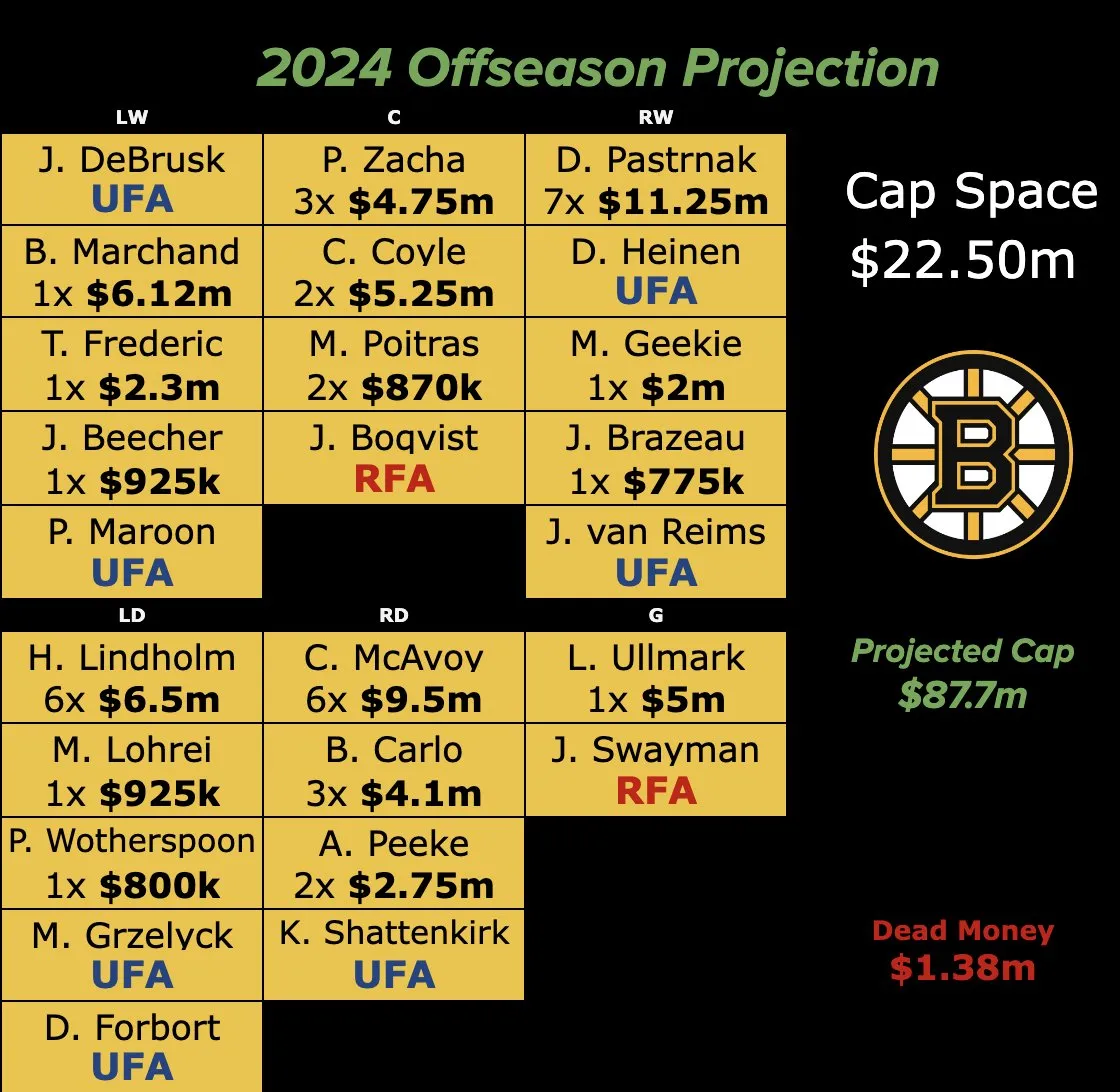
Bruins’ scoring struggles in 2025-26: The numbers tell the story
The Bruins’ 2025-26 regular season showed promise early, with depth scoring from additions like Viktor Arvidsson fueling win streaks. However, as the year progressed, the offense ranked near the bottom of the league, failing to generate enough high-danger chances. Playoff collapses, including home woes detailed in our post-mortem analysis, exposed these gaps.
Pastrnak led with his usual output, but players like Charlie Coyle and Trent Frederic couldn’t sustain production post-trade deadline moves. Injuries and inconsistencies in special teams further hampered goals, with the power play dipping below league average late in the season. Analysts agree: without upgrades, another early exit looms.
Jeremy Swayman’s goaltending masked some deficiencies, posting elite save percentages that kept Boston competitive. Yet, even he couldn’t overcome offensive droughts in key games. The front office recognizes this, prioritizing forwards who can score in tight.
Historical parallels ring true – think the 2023-24 Bruins’ record points but playoff flameout due to similar issues. This time, with coach Marco Sturm’s system emphasizing speed, the pieces must fit better.
Looking ahead, cap flexibility allows pursuit of impact players. But ignoring depth now risks repeating the cycle.
James Hagens: Elite prospect, but development first
James Hagens, the Bruins’ top prospect, burst onto the scene at Boston College with 11 goals and 26 assists as a freshman, earning Hockey East All-Rookie honors. Selected in the 2025 draft, the 19-year-old center signed a three-year entry-level contract in April 2026 after a stellar sophomore year.[4][1] His skating, IQ, and two-way game draw comparisons to elite pivots, but NHL adjustment proved tough in limited tastes this season.
Friedman highlighted the risk: “He wasn’t ready for this… If it doesn’t start well, they say, ‘All right, we want him to begin the year in Providence.’” Online hype amplifies pressure, much like Matvei Michkov’s Philly saga. The Bruins believe in Hagens long-term – check his profile here – but rushing him could stunt growth.
A stint at the 2026 World Championships with Team USA offers more seasoning. Prospects like Dean Letourneau and Will Zellers provide lineup depth, but none match Hagens’ ceiling yet.[5]
Patience pays off, as seen with past Bruins like Charlie McAvoy. A strong Providence start could earn a call-up by midseason.
Overloading expectations ignores the league’s grind. Hagens thrives with proper ramp-up.
Paths to scoring: Free agency, trades, and internal growth
Free agency beckons with targets like affordable UFAs who fit Boston’s style. Two standouts: wingers capable of 20+ goals without breaking the bank, addressing secondary needs.[6] Sweeney could target reclamation projects or middle-six vets, echoing Arvidsson’s resurgence.
Trades loom large, with Sweeney leveraging picks for proven scorers. Our coverage of offseason plotting for the Bruins notes cap room for bold moves. Avoid overpaying for stars like Mitch Marner – focus on depth.
Internally, extensions for Morgan Geekie and Mason Lohrei stabilize the core. Prospects like Fraser Minten add potential, but NHL readiness varies.
- Top UFA targets: Consistent 20-goal scorers with term flexibility.
- Trade chips: Mid-round picks, young defensemen.
- Development focus: AHL scoring leaders promoted midseason.
Past successes, like the 2011 Cup run’s balanced attack, guide this approach.
Swayman’s extension talks underscore stability – “the best thing for them is that they believe Swayman would be fine.”
Goaltending strength allows offensive risks
Jeremy Swayman’s elite play anchored the Bruins, even in outdoor drama like the Stadium Series goalie fight. His .925+ save percentage bought time for fixes elsewhere.
With youth in net secure, Sweeney can allocate funds forward. Pairing Swayman with scorers elevates contention odds.
Historical goalie reliance – think Tim Thomas era – worked short-term but needs balance long-term.
The Bruins’ retool continues, blending vets and kids smartly.
The 2026 offseason offers a pivot point. Adding scoring via shrewd moves, not just Hagens, positions Boston for deeper runs. Development timelines vary, but proactive steps now ensure the “process” Friedman mentions yields results. Fans await a lineup with pop – and fairness to the next generation.
Frequently Asked Questions

Par Mike Jonderson
Mike Jonderson is a passionate hockey analyst and expert in advanced NHL statistics. A former college player and mathematics graduate, he combines his understanding of the game with technical expertise to develop innovative predictive models and contribute to the evolution of modern hockey analytics.