

Clayton Keller delivered one of the most powerful tributes of the NHL season when he honored his late father during a game against the St. Louis Blues. The emotional moment captured the hearts of hockey fans everywhere and showed the deep bond between a son and his father. Keller’s tribute was more than just a gesture; it was a testament to family, love, and the enduring impact of a parent’s support.
The Arizona Coyotes forward has been open about the loss of his father, who passed away in 2020. That tragedy shaped Keller both personally and professionally. When the Coyotes faced the Blues in St. Louis, the location held particular significance. The game became an opportunity for Keller to pay homage in a city that understood hockey passion and community support. His performance that night carried extra weight, every shift feeling like a conversation with his dad.
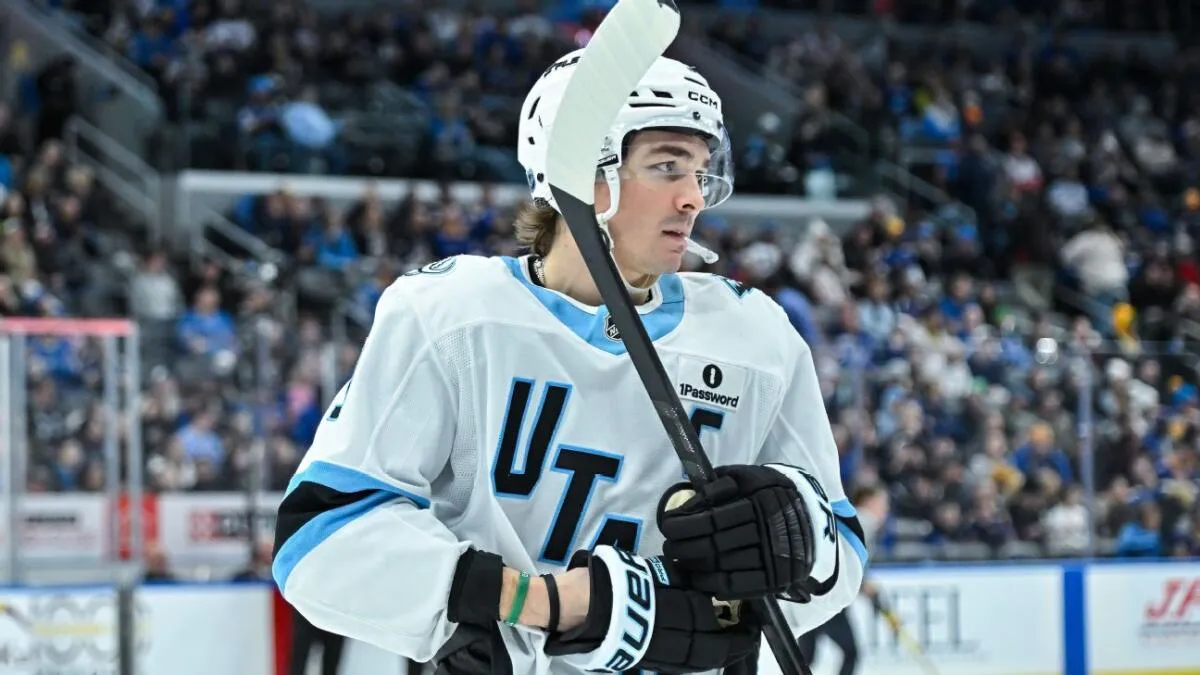
The emotional significance of the St. Louis game
St. Louis represents a hockey market steeped in tradition and family values. For Keller, playing there offered the perfect backdrop for remembrance. The Blues organization has a history of supporting players through personal struggles, creating an environment where emotion and competition coexist. The crowd’s response to Keller’s tribute demonstrated how hockey communities rally around their own, even visiting players dealing with loss.
Keller’s connection to his father ran deep. His dad had been his biggest supporter from youth hockey through his ascension to the NHL. Every milestone in Keller’s career included his father’s presence, either in the stands or through encouraging phone calls. The sudden absence created a void that Keller has worked to fill through his play and public remembrance.
How Keller honored his father on the ice
During the Blues game, Keller wore special equipment and accessories that held meaning. His skates featured custom lettering with his father’s initials. The tape on his stick carried a handwritten message visible during close-up shots. These subtle touches spoke volumes about a son’s love. Keller didn’t announce these details beforehand; fans noticed during gameplay, making the discovery more intimate and powerful.
His performance reflected his emotional state. Keller played with noticeable intensity, engaging physically and creating scoring chances. He later admitted that channeling grief into competition helped him focus. “I felt him with me out there,” Keller told reporters after the game. “Every time I touched the puck, I was playing for him.”
The role of pre-game rituals in remembrance
Athletes often develop rituals to honor lost loved ones. Keller’s pre-game routine that night included moments of reflection in the locker room. Teammates gave him space while also offering quiet support. The Coyotes coaching staff adjusted his ice time slightly, allowing Keller to find his rhythm emotionally before increasing his shifts.
Rituals serve as anchors during turbulent times. For Keller, tying his skates a certain way and tapping his stick twice before stepping onto the ice became acts of remembrance. These small, private gestures transformed a regular season game into something sacred. The Blues organization recognized this, with several players offering post-game handshakes that lingered longer than usual.
Community response and fan support
Social media exploded with support for Keller following the game. Fans from both teams shared stories of loss and resilience. The hashtag #KellerStrong trended across hockey twitter, with photos of his equipment details circulating widely. Blues fans, despite the rivalry, expressed admiration for Keller’s courage and vulnerability.
The Coyotes organization supported Keller by sharing official footage of his tribute elements. Their social media team posted close-ups of his gear with respectful commentary. This transparency helped fans understand the depth of Keller’s loss and the importance of his tribute. Other NHL teams joined in, showing how hockey’s fraternity extends beyond individual franchises.
Impact on mental health awareness in hockey
Keller’s openness about grieving his father contributed to broader conversations about mental health in professional sports. Hockey culture has traditionally emphasized toughness and stoicism, but moments like Keller’s tribute challenge those norms. His vulnerability gave permission to other players to acknowledge their own struggles with loss and grief.
Several former players praised Keller’s approach. “What Clayton did takes guts,” said one former Coyotes captain. “Showing that emotion publicly isn’t weakness; it’s strength.” This sentiment reflects a shifting perspective in the NHL, where mental health resources and emotional support have become more prominent.
Keller’s season performance following the tribute
The game against St. Louis marked a turning point in Keller’s season statistics. In the weeks following his tribute, his point production increased noticeably. He attributed this improvement to feeling lighter emotionally after publicly honoring his father. The weight of private grief often limits performance; sharing that burden can liberate an athlete’s abilities.
His shooting percentage rose, and his playmaking showed renewed creativity. Coaches noted improved defensive effort as well, suggesting that emotional closure impacts all aspects of a player’s game. Keller’s experience demonstrates how handling personal tragedy can either hinder or enhance athletic performance, depending on the support systems and coping mechanisms available.
The intersection of personal loss and professional sports
Professional athletes face unique challenges when grieving. They must perform while processing loss, often in the public eye. The NHL schedule offers little time for mourning, with games every few days and constant travel. Keller’s decision to integrate his grief into his game provided a healthy outlet during an impossible situation.
Find meaningful ways to cope with loss through community support like the resources that helped Keller during his difficult time.
Team structures become crucial during personal crises. The Coyotes provided counseling services and adjusted media responsibilities around the anniversary of his father’s passing. This flexibility allowed Keller to heal while maintaining his professional obligations. Other organizations watched this approach, potentially influencing how teams support players through similar situations.
The legacy of parental support in athletic careers
Behind every NHL player stands a network of family support that began in childhood. For Clayton Keller, his father’s role was instrumental in his development. From driving to early morning practices to funding equipment and travel, parental investment shapes athletic destinies. When that support system is lost, the foundation of a player’s identity feels shaken.
Keller’s story resonates because it mirrors experiences many athletes face but rarely discuss publicly. The pressure to perform while grieving creates internal conflict. By honoring his father so visibly, Keller transformed personal tragedy into a shared experience for fans who have lost parents or mentors.
How other athletes honor lost loved ones
Keller joins a long list of athletes who find ways to remember family during competition. Some wear special patches, others point to the sky after scoring. These gestures connect personal loss to professional achievement, creating meaning beyond statistics. The consistency of these tributes across sports shows how universal grief and remembrance truly are.
What made Keller’s tribute particularly moving was its subtlety. Without grand announcements, he let his equipment and performance speak. This understated approach aligned with hockey’s culture while still conveying deep emotion. Fans appreciated the authenticity, recognizing that grief doesn’t require spectacle to be valid.
Looking forward: Keller’s continued journey
The St. Louis game will remain a milestone in Keller’s career narrative. Future interviews will reference that night as a moment of healing and tribute. His father’s memory now lives not just in Keller’s heart but in the collective memory of hockey fans who witnessed the tribute. This public remembrance ensures the story continues, inspiring others dealing with similar losses.
As Keller’s career progresses, the foundation his father built continues supporting him. Every achievement carries forward a father’s pride. The Blues game was simply the most visible acknowledgment of that ongoing relationship between son and parent, past and present.
Learn more about how athletes honor family through their performance and the traditions that shape their careers.
The NHL community’s embrace of Keller’s grief represents progress in how sports handle emotional vulnerability. Players no longer need to compartmentalize loss entirely separate from their athletic identity. Instead, they can integrate these experiences, finding strength in remembrance while continuing to excel at the highest level of competition.
Frequently Asked Questions

Par Mike Jonderson
Mike Jonderson is a passionate hockey analyst and expert in advanced NHL statistics. A former college player and mathematics graduate, he combines his understanding of the game with technical expertise to develop innovative predictive models and contribute to the evolution of modern hockey analytics.