


Clayton Keller tribute after father’s death Utah mammoth stars game: a captain’s strength in grief
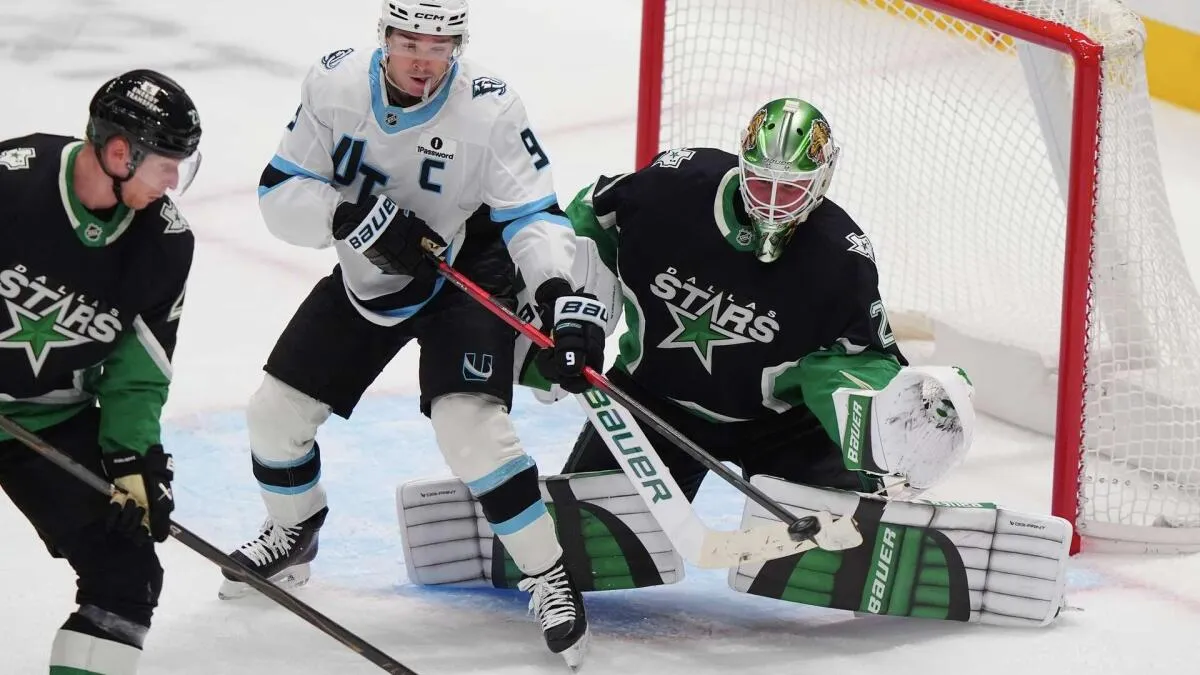
In an emotionally charged Friday night matchup against the Dallas Stars, Utah Mammoth captain Clayton Keller took to the ice just hours after learning of his father’s unexpected passing. The 27-year-old forward’s decision to play in the 4-3 loss showcased remarkable resilience and dedication to his team, earning him the game’s first star in a touching tribute that transcended the final score. Bryan Keller died peacefully in his sleep, leaving his family and the entire Mammoth organization in shock, yet his son chose to honor his memory through the sport they both loved.
The moments following the news revealed the deep bonds within the Utah Mammoth locker room. Coach André Tourigny addressed the media with gravity and compassion, explaining that Keller’s choice to play stemmed from both personal strength and a desire to be surrounded by his second family during an unimaginable time. The game became more than just another regular season contest—it transformed into a collective moment of mourning, support, and respect for a leader who has given his all to the Arizona-Utah franchise for ten seasons.
The heartbreaking news and Keller’s courageous decision
The Mammoth organization learned of Bryan Keller’s sudden death on Thursday evening, sending shockwaves through the team. Details emerged that his father had passed away unexpectedly in his sleep, leaving no time for goodbye. For Clayton Keller, the timing created an impossible choice: withdraw from the team’s upcoming game against Dallas or channel his grief into the structure and camaraderie of hockey.
Teammates described the atmosphere in the locker room as somber yet supportive. Keller, known throughout his career for his quiet determination and leadership, made it clear he wanted to play. His decision wasn’t about hockey statistics or playoff positioning—it was about finding normalcy when his world had been shattered. The captain understood that stepping away might have been easier emotionally, but being with his teammates offered a different kind of comfort that solitude couldn’t provide.
The logistics of the situation added another layer of complexity. The Mammoth were already on the road, preparing for their game against the Stars in Dallas. Traveling arrangements, family considerations, and the raw immediacy of grief all factored into the decision-making process. Yet within hours, Keller had made his choice, and the organization moved quickly to support him, offering grief counselors and flexible arrangements regardless of what he decided.
A captain’s responsibility during crisis
Leadership defines Clayton Keller’s tenure with the franchise, and this moment exemplified why he wears the “C” on his jersey. Since being named captain before last season—the team’s first in Salt Lake City after relocating from Arizona—Keller has established himself as the emotional anchor of the Mammoth. His 21 points in 24 games this season, including eight goals, only tell part of the story. The real measure of his captaincy appears in moments like these, when personal tragedy collides with professional obligation.
Former captains around the NHL have faced similar crossroads, choosing to play through grief following family losses. The decision often reflects a deeper understanding that hockey provides both a distraction and a connection to the loved ones who cheered them on. For Keller, whose father undoubtedly followed his career from draft day in 2016 through four All-Star selections and three consecutive 30-goal seasons, playing became a way to honor that support and keep his father’s spirit present.
Emotional tribute during Utah mammoth stars game
When the puck dropped at the American Airlines Center on Friday night, the energy felt different. Both teams seemed aware they were witnessing something more significant than a regular season game. Despite the emotional weight he carried, Keller played nearly 19 minutes, generating scoring chances and providing the steady two-way play that has defined his career. Though the Mammoth fell 4-3 to the Stars, the result mattered less than the symbolism of Keller’s presence.
The game’s most poignant moment came during the three-star selection. When Keller was announced as the first star of the game, the Dallas crowd rose in a standing ovation that transcended team allegiances. Stars fans, players, and coaches alike recognized they were watching a young man exhibit profound courage. The tribute acknowledged not his on-ice performance alone, but his character and strength in the face of devastating personal loss.
Dallas Stars head coach Glen Gulutzan spoke afterward with deep respect. “I don’t know how the young man played, to be quite honest with you. A lot of credit to him. My heart goes out to him and his family.” Gulutzan’s words captured the sentiment throughout the arena—admiration for Keller’s ability to compete while acknowledging the immense emotional burden he carried.
Coach Tourigny’s heartfelt support
André Tourigny’s post-game comments revealed the depth of the organization’s support for their captain. “He loves his teammates so much, and his teammates just love him so much,” Tourigny reflected. “He drives our passion and our competitiveness every night. He’s the kind of guy who wants to be better every night. We cannot have a better example of a captain.” The coach’s voice carried both pride and concern as he balanced celebrating Keller’s strength while acknowledging his pain.
Tourigny’s leadership during the crisis extended beyond game strategy. He became the organization’s spokesperson, carefully navigating media questions while protecting his player’s privacy. The coach emphasized that the Mammoth consider themselves a family first and a hockey team second, a philosophy that guides their approach to supporting Keller through the coming weeks and months. His communication made clear that the organization would follow Keller’s lead, offering whatever space or support he needed.
Team rallies around their captain in difficult time
The Mammoth locker room response demonstrated the bonds forged through years of shared battles. Lawson Crouse, who has played alongside Keller for over a decade dating back to their Arizona Coyotes days, spoke about the reciprocal nature of their relationship. “Obviously, Kell’s our leader in the locker room but also away from the rink. He’s done an incredible job leading us and guiding us. I’ve been with him for 10-plus years now. It’s really our turn to support him. It’s hard news, and we’re all trying to deal with it in the best way that we can.”
Crouse’s comment highlights a crucial dynamic in professional sports—leadership is a two-way street. For years, Keller has been the stabilizing force for younger players, the voice of reason during slumps, and the example of professionalism. Now, his teammates understand their role is to become his support system, creating a protective bubble around their captain as he navigates his grief.
The organization has implemented several support measures to help Keller and his family. Grief counselors remain available to any player or staff member who needs them. The front office has handled travel arrangements for family members and created flexible schedules that allow Keller to attend memorial services without worrying about hockey commitments. These practical supports matter as much as emotional ones, removing logistical stress during an already overwhelming time.
The season context and Keller’s performance
Despite the personal tragedy, Keller’s on-ice contributions this season have been exceptional. His 21 points in 24 games rank second on the Mammoth roster, building on career-high numbers from last season when he recorded 60 assists and 90 points. The four-time All-Star’s consistency has been a driving force for a Utah team still establishing its identity after relocating from Arizona.
His performance trajectory makes the current situation even more poignant. Keller is in his prime at 27, entering the peak years of a career that has seen him grow from a promising seventh overall draft pick into one of the NHL’s most reliable two-way forwards. The dedication he showed in playing against Dallas—generating scoring chances while maintaining defensive responsibility—exemplifies why the Mammoth built their franchise around him.
What this moment means for the Utah Mammoth organization
The Utah Mammoth are still writing their story in Salt Lake City, having completed their first season in the new market. Moments like these, while heartbreaking, forge the kind of organizational identity that lasts for decades. How a team responds to adversity—especially when it touches their leader—defines their culture more than any marketing campaign or brand identity ever could.
For the players, particularly younger ones watching Keller navigate this tragedy, the experience provides an irreplaceable lesson in professionalism, resilience, and prioritizing people over performance. They witnessed their captain make an intensely personal decision and saw the organization support him unconditionally. That memory will resonate longer than any single game’s outcome and will likely shape how these players handle their own future challenges.
The Mammoth front office faces delicate decisions in the coming weeks. They must balance Keller’s emotional needs with the physical demands of an NHL season, ensuring they don’t push him too hard while respecting his desire to maintain routine and normalcy. The medical and coaching staff will monitor him closely, watching for signs that grief is affecting his performance or, more importantly, his well-being.
As the team moves forward from this emotional night in Dallas, Clayton Keller’s courage has set a powerful example. The tribute he received as first star of the game represents more than acknowledgment of a difficult performance—it symbolizes the hockey community’s recognition that some moments transcend the sport itself. For the Utah Mammoth, their captain’s strength in grief has forged bonds that will carry them through the remainder of the season, reminding everyone that the strongest teams are built not just on skill, but on the unwavering support they show when one of their own is suffering.
Frequently Asked Questions

Par Mike Jonderson
Mike Jonderson is a passionate hockey analyst and expert in advanced NHL statistics. A former college player and mathematics graduate, he combines his understanding of the game with technical expertise to develop innovative predictive models and contribute to the evolution of modern hockey analytics.