The Anaheim Ducks secured a thrilling 4-3 overtime victory against the Edmonton Oilers in Game 4 of their Western Conference first-round series on April 26, 2026, pushing Edmonton to the edge with a 3-1 lead.[1] Ryan Poehling’s goal at 2:29 of overtime became the center of heated debate after a lengthy video review confirmed it had completely crossed the goal line. The play, involving a scramble in front of Oilers goaltender Tristan Jarry, left fans and analysts divided on whether the officials and NHL got the call right.[2] This moment echoes discussions on The Hockey News Big Show, where former NHL goalie Devan Dubnyk, Ryan Kennedy, and Andrew McInnis dissected the on-ice decision starting at the 0:59 mark.
The controversy highlights the fine margins in playoff hockey, especially with goal-line technology under scrutiny. Poehling won his own faceoff and sent a centering pass that deflected off Darnell Nurse’s skate and trickled behind Jarry, nudged across by the goalie’s skate.[3] Referee Jake Brenk, positioned along the boards, did not immediately signal a goal, leading to a 90-second huddle before sending it to Toronto for review. The NHL Situation Room upheld the call, but replays showed the puck obscured by Jarry’s skate blade.
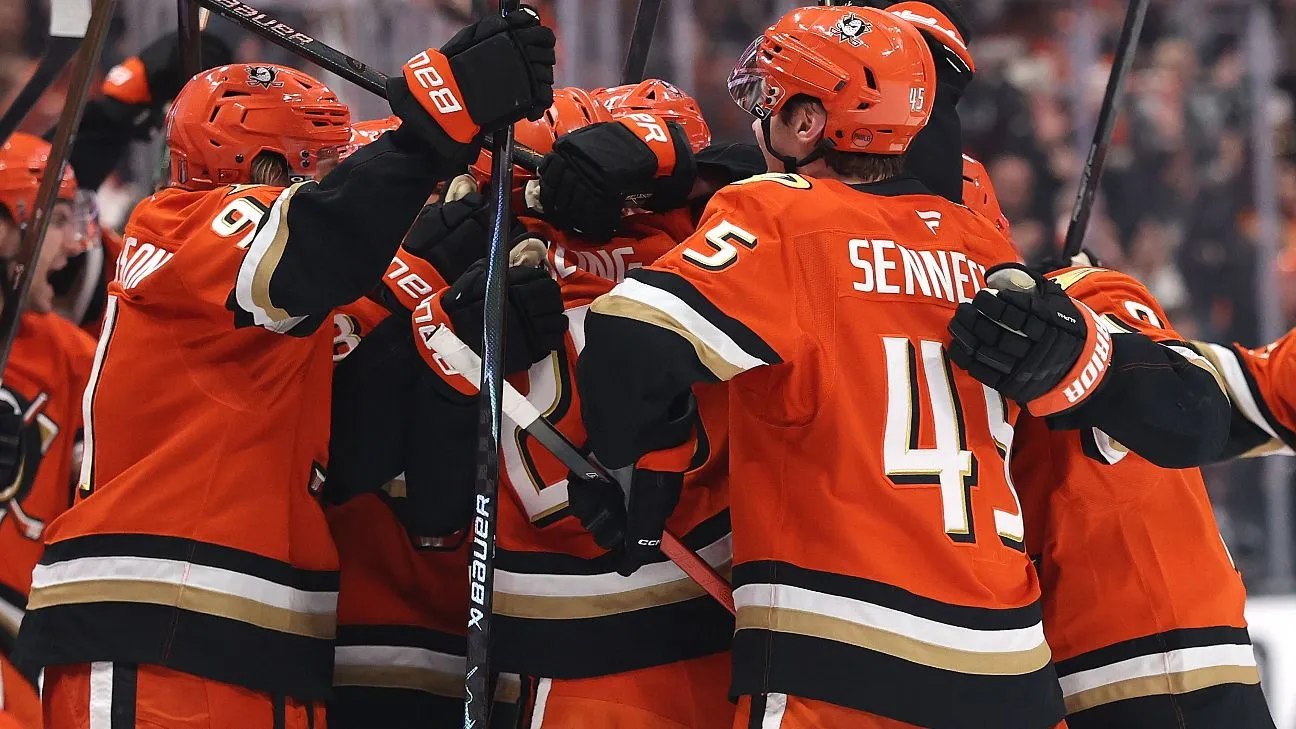
Breaking down the overtime goal
Poehling’s winner capped a wild sequence straight out of a faceoff. He centered the puck toward Chris Kreider, but it hit Nurse’s skate and slowly slid toward the crease. Jarry attempted to play it but inadvertently pushed it over the line, sparking immediate chaos as Oilers players scrambled to clear it.[1]
On-ice officials huddled without an initial signal from Brenk, who lacked a clear view. The call went to video review for “puck over goal line,” a standard protocol. Multiple angles were examined, though some remained inconclusive due to the scrum.
The Ducks’ rally to force OT was equally dramatic. Trailing 3-2 entering the third, Jeffrey Viel tied it at 13:31 by sweeping a loose puck past Jarry after John Carlson’s shot. Lukas Dostal then stonewalled Connor McDavid twice late, preserving the tie.
This goal fits into the Ducks’ upset narrative in the 2026 Stanley Cup playoffs first round, where their young core has outperformed veterans. Poehling later credited his college coach: “60 percent of the overtime winners come off of face-offs.”[1]
Edmonton’s defensive lapse allowed the deflection, raising questions about positioning. The puck barely crossed, by inches, fueling the fire.
The video review and officials’ handling
The review process lasted longer than usual, amplifying tension in the arena. The Situation Room in Toronto confirmed the puck fully crossed, aligning with Rule 38 for goal/no-goal reviews.[2] However, Oilers bench footage showed doubt, with players questioning the evidence.
Ref Jake Brenk’s positioning along the boards obscured his view, forcing reliance on linesmen and review. No on-ice official had a definitive angle initially.
Critics argue the call lacked “conclusive evidence,” a standard for overturns. Oilers coach Kris Knoblauch noted similar plays waved off before: “Not definitive.”[3]
The NHL’s decision stood firm, but it sparked widespread reaction. As covered in the full NHL video review, the final ruling was “goal.”
This incident ties to The Hockey News Big Show at 0:59, where panelists debated if officials called it correctly on ice. Devan Dubnyk analyzed Jarry’s coverage at 6:25.
Oilers’ side: Goaltending and frustration
Tristan Jarry faced heavy criticism despite 34 saves in his first playoff start since 2022. The OT puck trickled through after his skate nudge, prompting questions if it should have stayed out.[1]
Jarry admitted: “Hard to tell, could go either way… I don’t think it went in.”[3] Knoblauch defended him: “Two goals off our sticks/skates… solid performance.”
Mattias Ekholm echoed bench disbelief: “How is that conclusive?” The Oilers saw replays differently.
Game stats highlight the battle:
- Ducks power play: 2/4 (6/12 series)
- Shots: Anaheim 38, Edmonton 27
- Saves: Dostal 24, Jarry 34
Down 3-1, Edmonton’s comeback hopes rest on home ice for Game 5. McDavid: “We’re in a hole… find a way.”[1]
Implications for the series and Ducks’ surge
The Ducks’ three straight wins showcase their young core outperforming veterans. Cutter Gauthier, Granlund, and Viel stepped up, with Joel Quenneville praising: “Different guys against an excellent team.”[1]
Edmonton, recent West champs, must rally. The Hockey News Big Show at 8:00 asks: Can Oilers battle back? Goaltending assessment at 10:22 scrutinizes Jarry.
Game 5 in Edmonton Tuesday heightens stakes. Ducks’ momentum vs. Oilers’ desperation.
Poehling’s “lucky bounce” shifted series dynamics.[1] Historical comebacks favor home teams, but Anaheim’s resilience shines.
Ties to wider playoff conversations
Beyond Ducks-Oilers, playoffs buzz with storylines from The Hockey News Big Show. At 15:37, edge in Canadiens-Lightning Game 5? Noah Dobson return for Montreal at 20:35 could swing it.
Buffalo Sabres’ Game 4 start at 22:20, Bruins’ survival plan at 23:45. Stars’ even-strength woes at 26:34 concern forward.
Ottawa Senators’ collapse at 29:50, Hurricanes’ standouts like Logan Stankoven at 33:36. Kings’ future changes at 35:33, Avalanche weak points at 36:58.
D.J. Smith for Kings coach at 38:58? Sharks naming Macklin Celebrini captain at 40:28. Hot/cold players weekly at 41:20.
These threads weave the playoff tapestry.
The Ducks-Oilers saga exemplifies playoff intensity, where inches decide fates. While the review upheld the goal, debates linger on transparency and technology.[3] For Edmonton, Game 5 offers redemption; for Anaheim, a chance to close out. Expect more drama as the NHL playoffs heat up.[3]
This call could define legacies, underscoring hockey’s unforgiving nature. Fans await resolution in Edmonton.
Frequently Asked Questions

Par Mike Jonderson
Mike Jonderson is a passionate hockey analyst and expert in advanced NHL statistics. A former college player and mathematics graduate, he combines his understanding of the game with technical expertise to develop innovative predictive models and contribute to the evolution of modern hockey analytics.