


For hockey fans, fantasy players, and serious bettors, staying current with the latest team news is essential to making informed decisions. Understanding which players will take the ice and who will guard the net each evening can dramatically shift expectations for any given matchup. With a full slate of games happening throughout the week, accessing reliable information becomes a critical component of success, whether you’re setting your fantasy roster or placing strategic wagers on tonight’s action.
The modern hockey landscape demands real-time information, and daily NHL projected lineups and starting goalies updates have become indispensable resources for anyone invested in the sport. These updates provide crucial intelligence on line combinations, defensive pairings, injury reports, and confirmed starters between the pipes. As teams navigate through an 82-game regular season filled with injuries, back-to-back games, and tactical adjustments, having access to accurate projections helps you stay one step ahead of the competition.
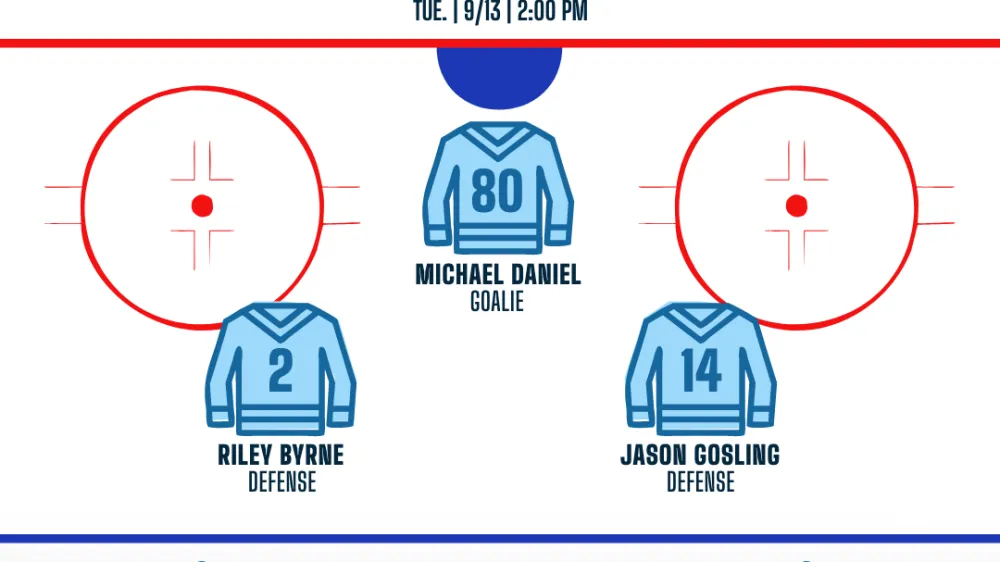
Why daily NHL projected lineups and starting goalies updates matter for success
The significance of daily updates extends far beyond simple curiosity about who’s playing. For fantasy hockey managers, knowing lineup changes can mean the difference between starting a player who’s been promoted to the top line with elite linemates versus one who’s been relegated to fourth-line duty. These adjustments happen frequently throughout the season as coaches respond to performance trends, injuries, and matchup considerations.
Starting goalie confirmations carry even greater weight in the decision-making process. A team’s fortunes often rise and fall based on who’s between the pipes, and the gap between an elite netminder and a backup can be substantial. Elite goalies like Connor Hellebuyck, Igor Shesterkin, and Andrei Vasilevskiy can single-handedly steal games for their teams, while backup goalies may struggle behind the same defensive corps.
Understanding goalie rotations becomes particularly crucial during stretches where teams face compressed schedules. Most NHL starting goalies appear in 50-60 games per season, meaning teams strategically deploy their netminders to maximize performance while managing workload. Back-to-back situations almost always result in goalie changes, creating opportunities for astute observers to capitalize on these predictable patterns.
The betting landscape has evolved significantly with the proliferation of prop bets and live wagering options. Access to Daily Faceoff’s starting goalie projections allows bettors to gauge which netminders will likely get the call before official confirmations, potentially securing more favorable odds before lines shift. Over/under totals are heavily influenced by goaltending matchups, as two elite goalies facing off typically signals a lower-scoring affair compared to contests featuring struggling or inexperienced netminders.
Where to find reliable daily NHL projected lineups and starting goalies updates
Multiple platforms have emerged as trusted sources for lineup and goalie information, each offering unique features and presentation styles. The Hockey Writers maintains comprehensive daily updates that include projected lineups, starting goalies, injury reports, and scratch information for every game on the schedule. Their coverage includes status reports from morning skates and optional practices, providing context about lineup decisions and potential game-time changes.
Major sports networks and specialized hockey sites aggregate information from team beat reporters, official team announcements, and credible insider sources. These platforms update throughout the day as new information becomes available, with morning skate reports typically providing the clearest picture of evening lineups. Confirmed starters are usually announced several hours before puck drop, though some teams wait until closer to game time for strategic reasons.
Fantasy-focused sites like RotoWire and RotoGrinders cater specifically to daily fantasy players with projected lineups that include salary information and opponent matchups. These resources help fantasy managers optimize their roster construction by identifying value plays and favorable matchup scenarios. The combination of lineup data with advanced statistics creates a powerful toolkit for making roster decisions.
Understanding the difference between projected and confirmed information is essential for anyone using these resources. Projections represent educated predictions based on practice line combinations, recent usage patterns, and injury reports, but they can change before game time. Confirmed lineups come directly from team announcements or reliable beat reporters with direct access to coaching staffs. The most successful users of lineup information check multiple sources and refresh their information as close to game time as possible.
How starting goalie decisions impact betting strategy and fantasy hockey
The goalie position uniquely influences both betting markets and fantasy outcomes due to its outsized impact on game results. Oddsmakers adjust their lines significantly based on confirmed starters, with a premium starting goalie potentially moving the line by half a goal or more compared to a backup. Understanding these dynamics from The Hockey Writers helps bettors identify value before the market fully adjusts.
Recent performance trends matter tremendously for goaltenders, as the position is particularly susceptible to hot and cold stretches. A goalie riding a streak of stellar performances may carry inflated confidence that extends to the entire team’s defensive structure, while a struggling netminder can leave teammates pressing and out of position trying to compensate. Save percentage and goals-against average over the previous 10 games often provide better indicators of current form than season-long statistics.
Defensive team strength plays a crucial role in goalie evaluation beyond individual talent. An average goaltender behind an elite defensive corps may post better numbers than a superior goalie playing behind a porous defense. Successful bettors and fantasy managers account for both individual goalie skill and the defensive environment when making decisions. Shots allowed per game, high-danger chances against, and penalty kill efficiency all contribute to a goalie’s likelihood of success.
Matchup analysis adds another layer to goalie evaluation. Some goalies historically perform better or worse against specific opponents based on shooting tendencies and offensive systems. A goalie who excels at tracking pucks from distance may struggle against teams that generate high-quality chances from close range. Examining head-to-head history and opponent offensive characteristics helps predict performance more accurately than raw statistics alone.
The psychological element of goaltending cannot be ignored when assessing daily matchups. Team confidence fluctuates dramatically based on who’s in net, with players more willing to take calculated risks when they trust their netminder to bail them out. Conversely, teams may adopt more conservative approaches when an unproven backup makes his first start. These intangible factors influence game flow and final results in ways that don’t always appear in box scores.
Maximizing the value of daily NHL projected lineups and starting goalies updates
Successfully leveraging daily updates requires developing a systematic approach to information gathering and analysis. The most effective strategy involves checking lineup information at multiple times throughout game day, starting with morning skate reports and continuing through pre-game warm-ups. Line combinations can shift between morning practice and evening games based on late-scratches, illness, or coaching adjustments.
Creating a routine around information gathering helps ensure you never miss critical updates. Many successful fantasy managers and bettors set specific times to review lineup information—typically mid-morning after practices conclude, early afternoon for any follow-up reports, and again within an hour of puck drop for final confirmations. This systematic approach prevents costly oversights that can derail otherwise sound strategies.
Contextualizing lineup changes is as important as simply knowing they occurred. A player moving from the third line to the first line represents an obvious upgrade, but understanding why the change happened provides additional insight. Is it a reward for strong recent play, a response to injury, or an attempt to spark offensive production? The reasoning behind changes often predicts whether they’ll be temporary or represent a longer-term shift.
Injury reports deserve particular attention within daily updates. Players can be listed as day-to-day for extended periods, making their status uncertain until game time. Understanding each team’s approach to injury disclosure helps interpret these reports more accurately. Some organizations are forthright about player status, while others maintain tight control over medical information. Beat reporters who cover teams daily often provide the most reliable insights into actual availability beyond official team statements.
Tracking goalie rotation patterns over time creates valuable predictive capabilities. Most teams follow relatively consistent patterns in their goalie deployment, particularly during back-to-back situations. Documenting which goalie starts in which scenarios allows you to anticipate probable starters before official announcements. This forward-looking approach enables proactive decision-making rather than reactive adjustments after the market has already moved.
Advanced strategies for using lineup and goalie information
Beyond basic lineup monitoring, sophisticated users employ several advanced techniques to extract maximum value from daily updates. Correlation analysis between line combinations and scoring outcomes helps identify which forward groupings generate the most offensive production. Not all first lines are created equal—some feature three elite players while others pair a star with complementary depth players. Understanding these nuances refines expectations for individual player performance.
Power play unit composition carries particular significance for fantasy and prop betting purposes. Most teams concentrate their top offensive talent on the first power play unit, making those spots disproportionately valuable. Daily updates often include special teams lineups, allowing you to identify players who have gained or lost power play time. Since a significant portion of NHL scoring occurs with the man advantage, these assignments directly impact individual player point totals.
Tracking defensive pairings provides insights into matchup dynamics that affect both team performance and individual player statistics. Teams typically deploy their top defensive pairing against opponents’ best offensive lines, creating challenging matchup scenarios. Identifying which defensive pairs face the toughest competition helps evaluate their statistical performance more accurately, as a third pairing playing sheltered minutes should produce better numbers than top pairs facing elite competition.
Situational analysis becomes more sophisticated when you track how specific line combinations perform in different game states. Some forward lines excel at even strength but rarely play together during crucial late-game situations. Others are favored by coaches in defensive zone starts or when protecting leads. Understanding usage patterns beyond raw ice time distribution reveals which players truly have their coach’s trust in important moments.
The most successful approach to daily NHL projected lineups and starting goalies updates combines multiple information sources with personal tracking systems. Developing your own database of lineup patterns, goalie rotations, and performance trends creates a competitive advantage that generic information alone cannot provide. This personalized approach transforms raw data into actionable intelligence tailored to your specific needs.
As the season progresses and teams jockey for playoff position or fall out of contention, lineup decisions take on different characteristics. Contending teams may ride their proven veterans harder while protecting prospects, whereas teams out of the playoff race often increase playing time for younger players to evaluate future assets. Recognizing these broader strategic contexts helps interpret daily lineup decisions within the appropriate framework. Staying disciplined in your information-gathering routine while remaining flexible enough to adapt to new patterns represents the optimal balance. The teams, players, and goaltending situations that look promising in October may shift dramatically by March, requiring continuous reassessment of your assumptions and strategies.

Par Mike Jonderson
Mike Jonderson is a passionate hockey analyst and expert in advanced NHL statistics. A former college player and mathematics graduate, he combines his understanding of the game with technical expertise to develop innovative predictive models and contribute to the evolution of modern hockey analytics.