Background
With collective bargaining talks at a complete impasse, members of the Professional Hockey Players’ Association have served a formal strike notice that could halt all ECHL operations as early as December 26, 2025. The dramatic escalation comes after nearly a year of negotiations that PHPA executive director Brian Ramsay describes as a pattern of bullying rather than good-faith bargaining. The 30-team developmental league, which sits two levels below the NHL, now faces its most significant labor crisis in recent memory just as play is scheduled to resume following the holiday break.
The timing of this potential work stoppage creates immediate uncertainty for hundreds of players, team staff, and the communities that support these franchises. With average ticket prices hovering around $21 per game, the ECHL has built its identity as affordable, accessible hockey entertainment across North America. A player strike threatens not only that business model but also the development pipeline that feeds talent to the American Hockey League and eventually the NHL.
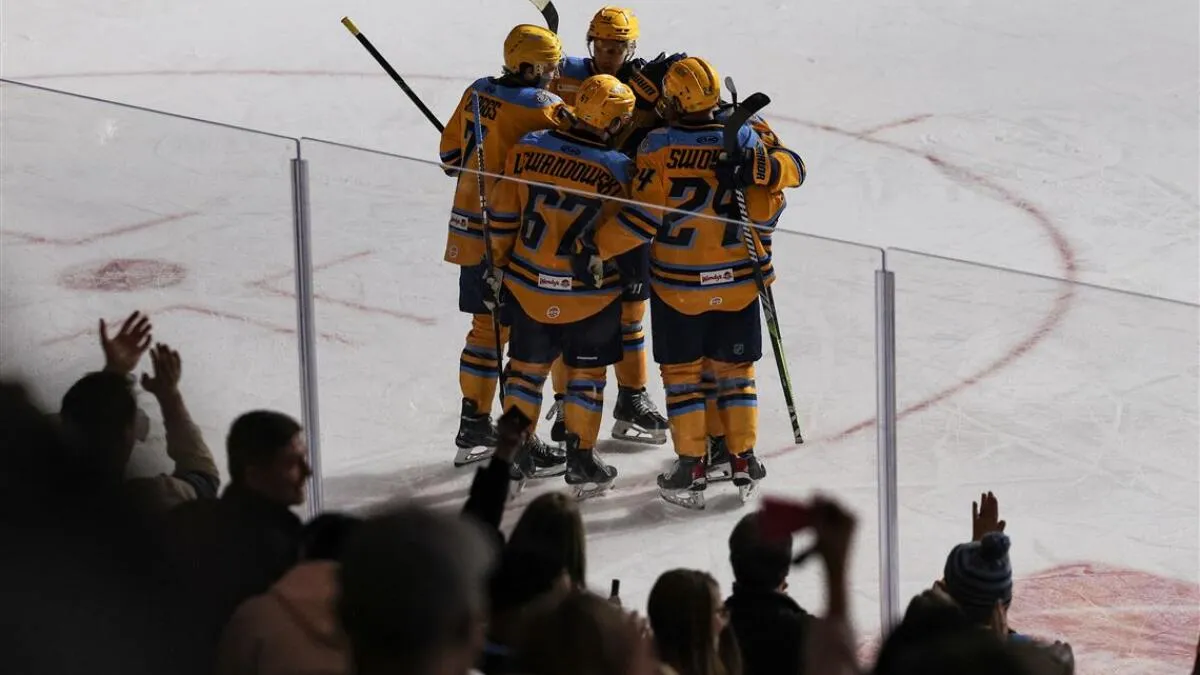
Background of the ECHL players strike threat amid CBA negotiations 2025
The current collective bargaining agreement expired in June 2025, setting the stage for what has become an increasingly contentious relationship between players and management. Negotiations formally began in January, but PHPA leadership immediately raised concerns about the league’s approach to bargaining. Ramsay has repeatedly accused ECHL officials of unfair labor practices, most recently alleging that the league directly contacted players with proposals—a move reported to the National Labor Relations Board.
The Professional Hockey Players’ Association represents all players in both the ECHL and AHL, creating an interesting dynamic as the AHL appears close to finalizing its own agreement. The divide between the two leagues became apparent when the AHL and PHPA continued working under expired terms while making significant progress, whereas ECHL talks stalled repeatedly. Ramsay pointed to fundamental differences in how each league values its players, noting that ECHL owners seem unwilling to match the respect shown in the higher minor league.
Timeline of escalating tensions
January 2025 marked the beginning of formal negotiations, but the PHPA quickly grew frustrated with the pace and tone of discussions. Players waited months for basic concessions, including the right to choose properly fitting helmets. The Virginia Tech Helmet Study ratings became a point of contention, with the league finally agreeing only days before the strike notice was served. Jimmy Mazza, a former ECHL player now serving on the negotiating committee, expressed his frustration: “To us, it’s a little bit of a slap in the face with the way these negotiations have gone for a year, when only five days ago, we get a little bit of movement on a helmet issue when it should have been done a year ago.”
On December 23, 2025, Ramsay revealed that the PHPA had offered mediation or arbitration as a path forward. The ECHL rejected this solution within minutes, instead demanding what Ramsay termed “significant movement” from players. This response triggered the membership vote on December 20, where players overwhelmingly authorized their bargaining committee to call a strike if necessary. The official strike notice was served immediately after, setting the December 26 deadline.
League’s proposal in the ECHL CBA negotiations 2025
The ECHL has made its latest proposal public through a dedicated website, framing it as a generous package that balances player needs with business sustainability. League officials emphasize their commitment to maintaining affordable ticket prices while improving conditions for athletes who serve as the foundation of their product.
Key financial components
The offer includes several significant economic improvements:
- An immediate 16.4% salary cap increase for the 2025-26 season, with retroactive pay effective from opening night
- Future cap increases that would raise total player compensation nearly 27% above current levels over the agreement’s lifespan
- Per diem increases to $60 daily, with future escalations totaling a 24.5% raise from current rates
- Enhanced career enhancement payments and commercial appearance opportunities
Health, safety, and working conditions beyond salary
The proposal addresses several player welfare concerns that have become flashpoints in the negotiations. Travel restrictions would limit back-to-back game trips to 325 miles, with each team permitted two exceptions up to 400 miles per season. Mandatory day-off requirements would ensure players receive at least one day off weekly, with no more than seven days passing between required breaks.
Equipment standards would improve under the league’s plan, enabling all players to select alternative 5-star rated helmets and receive custom sticks. Holiday break schedules are codified for the next five seasons, guaranteeing four- to five-day breaks around Christmas. The league also proposes that after three games in three nights, teams must provide an additional mandatory rest day.
“We have reached a number of tentative agreements and remain focused on reaching a comprehensive new agreement that supports our players and the long-term health of every team in our league,” the ECHL stated in its public communication.
Player grievances driving the strike threat
Despite the league’s characterization of its offer as generous, PHPA leadership and players paint a starkly different picture of working conditions in the ECHL. Ramsay has become increasingly vocal about what he describes as systemic disrespect and dangerous working conditions that the league’s proposal fails to adequately address.
Financial frustrations and inflation concerns
Players reject the league’s salary math, arguing that when adjusted for inflation, the proposed increases would leave them earning less than their predecessors did in 2018, before the pandemic disrupted the sport. The reality for most ECHL athletes involves earning less than the referees who officiate their games, creating a humiliating dynamic for professionals who risk their bodies nightly.
The financial strain extends beyond base salary. Players receive fully furnished housing and medical benefits from their teams, but Ramsay argues this system creates dependency that management exploits. He calls the league’s threat that players would lose housing during a strike an unfair labor practice designed to intimidate members into accepting substandard terms.
“This is a league that shows no concern for players’ travels and in fact has said the nine-hour bus trip home should be considered your day off,” Ramsay explained during a video call with reporters. He detailed instances where players spent 28 hours or more on buses to play back-to-back weekend games, only to receive compensation below referee pay scales.
Safety and equipment concerns
The helmet issue exemplifies what players see as the league’s unwillingness to prioritize safety. Mazza highlighted that players had waited nearly a year for the basic right to choose protective gear that fits properly and meets modern safety standards. Beyond helmets, Ramsay revealed the league still supplies used equipment to players, a practice unheard of in higher professional ranks.
Travel conditions compound safety risks. The proposal’s 325-mile limit sounds reasonable on paper, but players note it doesn’t address the frequency of long trips or the quality of transportation. As Mazza stated, “The top level, you know that those players aren’t being treated that way, so why are they treating us that way?” The contrast between NHL charter flights and ECHL marathon bus rides illustrates the vast gulf in how different levels of professional hockey value athlete welfare.
Potential impact of an ECHL strike in 2025
The December 26 strike deadline creates immediate practical consequences for everyone involved in the league. With games scheduled to resume after the holiday break, teams would face immediate postponements and potential cancellations, disrupting the competitive balance of the season.
Immediate consequences for players and teams
If the strike proceeds, players would stop receiving paychecks immediately and would reportedly lose their team-provided housing and medical benefits. This creates a cruel paradox where athletes who can least afford a work stoppage must sacrifice essential services to fight for better conditions. Ramsay has called these threats “tactics” designed to break the union’s resolve, noting that many players already live paycheck to paycheck.
The league has warned that some games would be postponed, though it hasn’t specified which matchups or how rescheduling would work within an already compressed season timeline. With 30 teams spanning from Quebec to California, finding open dates for makeup games presents a logistical nightmare that could extend the season deep into spring.
Community and developmental effects
Beyond the immediate financial impact, a strike would leave fans without the affordable hockey entertainment they depend on during winter months. ECHL franchises often serve as community anchors in mid-sized markets that lack major professional sports. The average $21 ticket price point makes games accessible to families and working-class fans priced out of NHL arenas, creating a unique bond between teams and communities.
From a hockey operations standpoint, the work stoppage would disrupt the NHL’s developmental pipeline. The ECHL serves as a critical proving ground for prospects adjusting to professional hockey and veterans working to return to higher levels. NHL organizations depend on the league to provide competitive playing time for their young talent, and an extended strike could force major league teams to find alternate placements for dozens of prospects.
What happens next in the ECHL CBA negotiations
The PHPA has made clear its willingness to find a resolution without a work stoppage, but league officials seem prepared to test the union’s resolve. As the December 26 deadline approaches, both sides have limited options to avoid the first significant ECHL strike in recent memory.
Failed mediation attempts and remaining options
Ramsay’s offer to settle through mediation or arbitration represented a potential off-ramp from confrontation, but the league’s swift rejection closed that door. The ECHL’s demand for “significant movement” from players suggests management believes the union will back down rather than sacrifice paychecks during the season. This calculation may prove mistaken, as player frustration has been building for months over issues like used equipment and marathon bus trips.
The National Labor Relations Board’s involvement adds another layer of complexity. With the PHPA alleging multiple unfair labor practices, including direct contact with players and intimidation tactics, federal intervention could potentially force the league back to the bargaining table. However, such processes move slowly and are unlikely to resolve before the strike deadline.
The AHL contrast and NHL stability
The situation in the ECHL looks particularly troubling when contrasted with the AHL’s progress. Both leagues share the same union representation, yet the AHL and PHPA are reportedly “very close” to a new agreement despite their CBA expiring in August. This disparity reinforces the players’ view that ECHL ownership groups are uniquely unwilling to invest in their workforce.
Meanwhile, the NHL and NHLPA enjoy labor peace through 2030 after ratifying their own agreement earlier in 2025. The stability at hockey’s highest level makes the ECHL’s labor strife seem even more avoidable, particularly given that the developmental league exists primarily to serve the NHL’s long-term interests.
Jimmy Mazza captured the players’ perspective when he asked why ECHL athletes deserve treatment inferior to their NHL counterparts. The answer to that question will determine whether fans see hockey resume on December 26 or whether they’ll face empty arenas and an uncertain future for the 2025-26 season.
The coming days will test whether the ECHL’s business model can accommodate the modern expectations of professional athletes or whether the league’s commitment to $21 tickets requires maintaining conditions that players have finally deemed unacceptable. With strike authorization in place and the clock ticking toward December 26, the PHPA has signaled that its members have reached their breaking point after a year of negotiations they view as dismissive and disrespectful.
Frequently Asked Questions

Par Mike Jonderson
Mike Jonderson is a passionate hockey analyst and expert in advanced NHL statistics. A former college player and mathematics graduate, he combines his understanding of the game with technical expertise to develop innovative predictive models and contribute to the evolution of modern hockey analytics.