


The Edmonton Oilers found themselves in an uncomfortable position following a devastating 9-1 loss to the Colorado Avalanche, and the frustration that had been building throughout their recent struggles finally boiled over at Sunday’s practice. Video footage captured a tense moment between captain Connor McDavid and defenseman Evan Bouchard, with veteran Mattias Ekholm also involved in the exchange. The heated conversation, while jarring to outside observers, represents something much deeper than simple conflict—it’s a team desperately trying to find its identity after weeks of uninspired hockey.
Rather than dwelling on the embarrassment of their worst loss of the season, the Oilers took to the ice the next morning with a palpable intensity that had been missing from their recent games. The practice atmosphere was notably different from the typical post-game sessions, with multiple players engaging in animated discussions about what had gone wrong and what needed to change. This wasn’t about assigning blame but about establishing accountability at a critical juncture in their season.
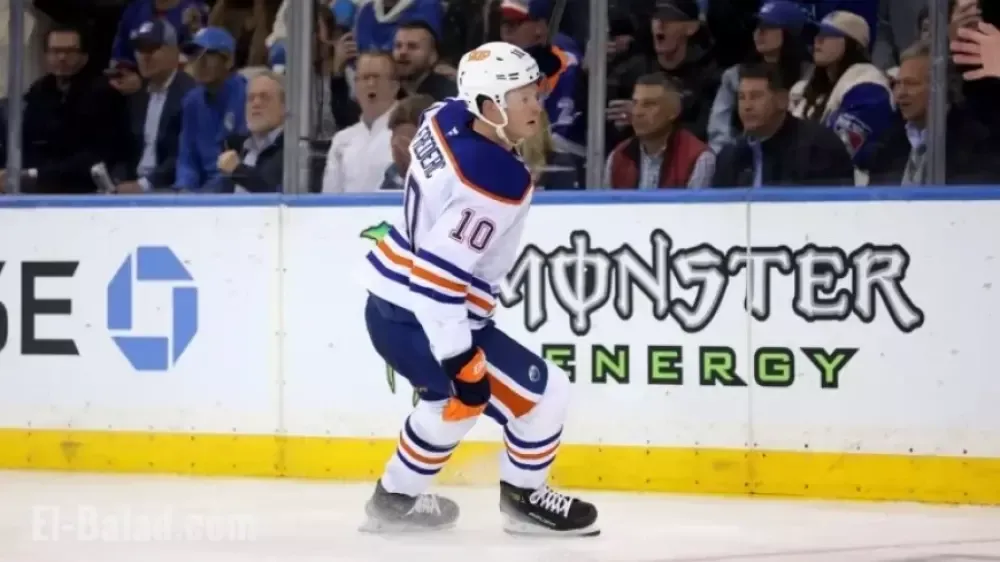
What happened during the Edmonton Oilers practice tense exchange between McDavid and Bouchard
TSN’s Ryan Rishaug captured the moment on video, showing McDavid engaged in what appeared to be a pointed conversation with his defensemen, particularly Bouchard. The exchange began with visible tension, as McDavid gestured and spoke emphatically while Bouchard responded with what looked like both defensive explanations and attempts to understand his captain’s message. The body language suggested this was more than just a casual chat about positioning or strategy.
The conversation wasn’t isolated to just McDavid and Bouchard. Ekholm, another key member of the Oilers’ defensive corps, was also part of the discussion. This indicated that McDavid’s concerns weren’t directed at one individual but rather at the defensive unit’s overall performance and communication issues that had plagued the team throughout their recent slump.
What made the exchange particularly notable was how it eventually resolved. After the initial tense moments, the players appeared to work through their differences, with the conversation becoming more constructive. The progression from frustration to understanding captured on video tells the story of a team that still believes in itself despite the recent adversity.
McDavid’s approach during this practice confrontation reflected his evolution as a leader. Rather than staying silent or addressing issues only behind closed doors, he chose to address problems directly and immediately, even if it meant creating an uncomfortable moment. This type of leadership, while not always pleasant to witness, often proves essential for teams trying to navigate difficult stretches.
McDavid’s explanation of the Edmonton Oilers practice tense exchange between McDavid and Bouchard
When asked about the heated moment after practice, McDavid didn’t shy away from the situation or downplay its significance. “Everybody as a whole wants to be better, myself included,” he explained. “Normal to have conversations with guys about different things we see out there. The game has felt, at times, unorganized, out of sync. You only figure that stuff out through talking and communicating with your teammates.”
The captain’s comments revealed that the team’s struggles go beyond simple execution errors. McDavid identified a fundamental breakdown in organization and synchronization that has left the Oilers looking disjointed on the ice. These aren’t problems that can be fixed with more skating drills or video sessions alone—they require direct, sometimes uncomfortable conversations between teammates who need to be on the same page.
McDavid also took responsibility as a leader, acknowledging that change starts with him. “I said it before, enough is enough here,” he stated emphatically. “We’ve got to find a way to bring some of that into the game.” This willingness to hold himself accountable while simultaneously demanding more from his teammates demonstrates the kind of leadership that championship teams require during adversity.
The three-time Hart Trophy winner emphasized that these types of exchanges aren’t unusual when a team is struggling. “You start seeing some of that in practice. It’s gotta translate into games,” McDavid noted. His comments suggest that the Oilers need to channel their practice intensity into game situations, where they’ve been lacking the energy and desperation necessary to compete at a high level. The frustration shown in practice needs to manifest as aggressive, determined play against opponents rather than remaining bottled up.
Understanding the complex dynamics of team leadership becomes especially important when analyzing how the Oilers navigate these challenging moments. McDavid’s approach reflects a captain who understands that sometimes progress requires pushing teammates out of their comfort zones.
Coach Knoblauch’s perspective on the tense exchange
Head coach Kris Knoblauch offered valuable context about the practice atmosphere and what these moments of tension mean for his team. “I think the worst part of fighting or animosity is when partners don’t talk or a team doesn’t talk,” Knoblauch explained. “Right now, there’s communication, which I appreciate… We’re not gonna grow and get past it if everyone’s silent.”
The coach’s comments highlight an important distinction between destructive conflict and productive tension. The Oilers aren’t experiencing a breakdown in team chemistry or relationships—they’re experiencing the growing pains of a team trying to rediscover its identity. Knoblauch views the heated exchanges as evidence that players still care deeply about the team’s performance and are invested in finding solutions.
Knoblauch also acknowledged the frustration permeating the organization while expressing confidence in the team’s ability to overcome it. “I’ve seen teams that are struggling that give up hope, make it more difficult on themselves. But yeah, there’s frustration, but there is still that confidence,” he said. This observation is crucial—frustrated teams can still succeed if they maintain belief, but apathetic teams rarely recover from extended slumps.
However, the coach wasn’t entirely satisfied with just seeing intensity at practice. “We have to also show some of that frustration on the other team,” Knoblauch added. His point underscores the challenge facing the Oilers: translating practice intensity into competitive fire during games. The team has shown they can push each other behind closed doors, but they need to direct that energy toward overwhelming opponents rather than each other.
Knoblauch also noted that accountability standards haven’t been maintained at the level they were in previous seasons. “The standard hasn’t been held well enough, and now that we’ve played as many games as we have, that standard definitely has to be increased,” the coach stated. This admission suggests that the team had become complacent or comfortable with mediocre performances, and the 9-1 loss served as a wake-up call that such standards are unacceptable.
The broader context of the Oilers’ struggles
The tense practice exchange didn’t happen in isolation—it’s the culmination of over a month of disappointing hockey from a team with Stanley Cup aspirations. The Oilers have struggled to find consistency throughout the early part of the season, leaving fans and analysts questioning whether this team can recapture the magic that carried them to the Stanley Cup Final last season.
Defense has been a particular sore spot for Edmonton. Bouchard, who earned a significant contract extension based on his offensive production and improved defensive play, has not lived up to expectations this season. His positioning and decision-making have come under scrutiny, contributing to the defensive breakdowns that have plagued the team. The fact that McDavid felt compelled to address these issues directly speaks to how critical the situation has become.
Connor McDavid’s relationship with Evan Bouchard has generally been positive, making the practice confrontation even more significant. When a captain who typically supports his teammates publicly feels the need to have a heated conversation, it signals that patience has worn thin and immediate improvement is necessary.
The Oilers have proven capable of climbing out of early-season holes in each of the last two seasons. In 2022-23, they started 2-9-1 before eventually making the playoffs. Last season, they struggled through a similar rough patch before catching fire and ultimately reaching the Stanley Cup Final. However, relying on this pattern isn’t sustainable, and the team recognizes they can’t simply wait for things to magically improve.
Stuart Skinner also appeared to have heated exchanges with forwards during the same practice, indicating that accountability discussions were happening across all position groups. This suggests a team-wide recognition that everyone needs to elevate their performance rather than pointing fingers at specific individuals or units.
What the Edmonton Oilers practice tense exchange between McDavid and Bouchard means moving forward
The practice confrontation represents a potential turning point for the Oilers’ season. Teams that successfully navigate adversity often point to specific moments when things shifted, when leaders stepped up and demanded more from everyone around them. McDavid’s willingness to have uncomfortable conversations could be the catalyst that sparks Edmonton’s turnaround.
For Bouchard specifically, this moment could serve as either a wake-up call or a weight that adds pressure to an already challenging situation. How he responds in the coming games will be crucial not just for his own development but for the team’s success. The young defenseman needs to channel any frustration or embarrassment from the exchange into focused, determined play that demonstrates his commitment to meeting higher standards.
The incident also highlights the importance of emotional investment in team success. In an era when some athletes are criticized for being too measured or controlled, the Oilers showed raw, genuine frustration about their performance. This authenticity could resonate throughout the locker room and inspire the kind of desperate, competitive play that has been missing from recent games.
Looking ahead, the Oilers face a critical stretch where they need to prove that Sunday’s practice intensity can translate into game performance. The conversation between McDavid and Bouchard will only matter if it leads to tangible improvements in defensive organization, communication, and execution. Words and emotions mean nothing without action to back them up.
The stakes are high for Edmonton. While there’s still plenty of hockey left to be played, falling further behind in the standings makes the path to playoff success increasingly difficult. The team has championship aspirations, and those goals feel increasingly distant with each uninspired performance. The practice exchange wasn’t just about one bad game or one struggling player—it was about a team trying to salvage its season before it’s too late.
The Edmonton Oilers’ tense practice serves as a reminder that championship teams aren’t built solely on talent—they require accountability, communication, and leadership, especially during difficult times. McDavid’s confrontation with Bouchard and the defensive corps wasn’t a sign of a team falling apart but rather a team fighting to come together. Whether these uncomfortable conversations lead to the desired results will become clear in the games ahead, but the willingness to have them represents the first step toward meaningful change. For more insights into how NHL teams navigate adversity and the role of leadership in overcoming struggles, follow along as the Oilers attempt to write another comeback story.

Par Mike Jonderson
Mike Jonderson is a passionate hockey analyst and expert in advanced NHL statistics. A former college player and mathematics graduate, he combines his understanding of the game with technical expertise to develop innovative predictive models and contribute to the evolution of modern hockey analytics.