


The NHL’s return to the Olympics after a 12-year absence faces hurdles at the Milan-Cortina 2026 Winter Games, particularly with the ice hockey arenas. Construction delays at Santagiulia Arena, known as Hockey 1, have raised alarms, including a rink built three feet shorter than regulation dimensions. Despite these issues, league executives, players and owners express confidence that the tournament will proceed with top NHL talent.
Deputy commissioner Bill Daly’s recent statement captured the stakes: “If the players believe that ice isn’t safe, then we’re not going to play. It’s as simple as that.” Yet, with test events set to begin on Jan. 9 at Santagiulia Arena, positive updates suggest the issues may be surmountable.
Construction challenges at key venues
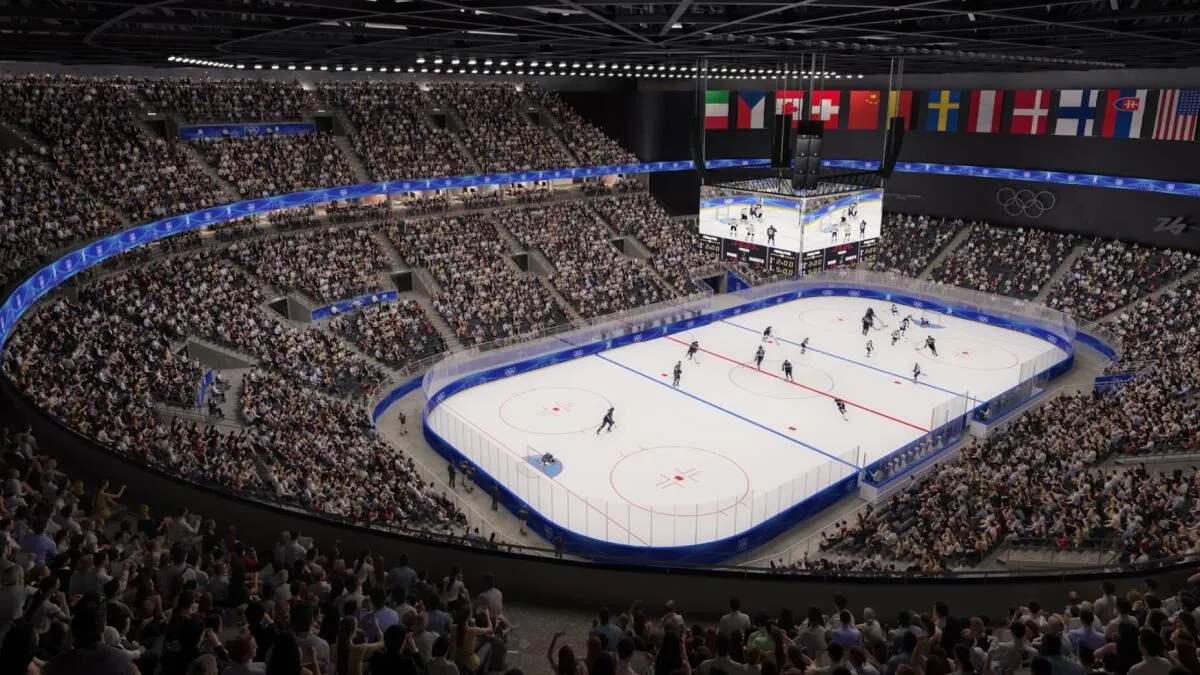
Santagiulia Arena in Milan remains a focal point of concern just weeks before the puck drops. When NHL executives visited in August, the site was a construction zone without even roads leading to it. Recent progress includes drywall installation in player areas and a rink that now “looks like a rink,” according to league sources.
The primary rink violates the July agreement with the IIHF and IOC by being shorter than NHL standards. Organizers have signed off on it anyway, prompting disappointment from the NHL and NHLPA. However, both sides agree this won’t impact game quality or safety materially.
Test events starting Friday are crucial. These typically occur months earlier to ensure the ice withstands up to three games daily for three weeks. A soft surface could lead to injuries like groin pulls, a nightmare for NHL teams.
Secondary venue Hockey 2 hosted a successful test last month for men’s and women’s games. Still, fan amenities lag: concessions, plumbing and seating capacity at Hockey 1 dropped from 14,012 to 11,800.
NHL ice technicians are on-site consulting, with promises of ongoing access. For more on the NHL concerns over Olympic ice quality in Milan, recent analysis highlights the scrutiny on dimensions and safety.
Stakeholder resolve amid uncertainties
Players show unwavering commitment. Florida Panthers star Matthew Tkachuk declared on his “Wingmen” podcast: “I don’t give a s---, I’m going over there. Even if it’s not safe, I still want to play.” His brother, Ottawa’s Brady Tkachuk, echoed: “We are going no matter what.”
An NHL owner summed it up bluntly: “We’re pot committed at this point.” IIHF president Luc Tardif expressed confidence at the world juniors, saying Hockey 1 isn’t “exactly” as expected but “all systems go.” He added: “You’re not going to go to Milano for nothing.”
No Plan B exists—no backup rosters from Hockey Canada or USA Hockey, no alternative venues in Switzerland or North America. Sources across the NHL, NHLPA and federations anticipate no last-minute pullouts.
Daly called issues “insurmountable” no longer, with positive momentum post-Board of Governors meetings. For details on Milano Santagiulia ice hockey arena project delays, coverage notes the lack of contingencies.
Logistical hurdles and adaptations
Accommodations fall short of NHL luxury. Locker rooms are mobile trailers, with players walking mats to the ice, reminiscent of the Arizona Coyotes’ Mullett Arena setup. Teams commit to the athletes’ village, embracing Olympic tradition unlike NBA stars at hotels.
Travel efficiency drops—no police escorts, potential schedule shifts if practice ice falters. Federations plan supplementary meals, as village food may not match the “No Hungry League” standard. Family logistics include meeting areas and covered travel.
Medical setups are under review: doctor seating, ambulance routes to hospitals. These details, ideally settled earlier, are being finalized now.
Hospitality promises like NHL owner suites fell through, frustrating stakeholders. Yet, the focus remains growth: global exposure for hockey ahead of the 2028 World Cup.
- Key logistical adaptations:
- Mobile lockers and mat walkways to ice.
- Village stays for all hockey teams.
- Supplementary nutrition from federations.
- Flexible practice schedules.
Anticipation builds for best-on-best action
Excitement centers on the hockey itself. Last February’s 4 Nations Face-Off previewed the intensity: skill, speed, no room for error. Olympics use international rules—no fighting—but expect Stanley Cup playoff vibes.
Rosters are announced, blending NHL stars. Officials mix NHL and international, prioritizing NHL refs for heavy-NHL games.
The NHL pauses its $7 billion season for three weeks post-NFL, underscoring commitment despite being IOC guests.
As test events loom, clarity emerges. Stakeholders agree: imperfections won’t derail the men’s tournament.
While Milan 2026 won’t be flawless, the return of NHLers promises thrilling hockey. With ice holding up, it could inspire globally and set the stage for future best-on-best events like the World Cup. Fans await Feb. 11’s puck drop with optimism.
ESPN coverage on rink updates tracks the latest developments.
Frequently Asked Questions

Par Mike Jonderson
Mike Jonderson is a passionate hockey analyst and expert in advanced NHL statistics. A former college player and mathematics graduate, he combines his understanding of the game with technical expertise to develop innovative predictive models and contribute to the evolution of modern hockey analytics.