


Every NHL season is a marathon, and for fantasy hockey players, daily bettors, and hardcore fans, keeping track of who’s skating on which line and who’s guarding the net can feel like a full-time job. The difference between a winning bet and a losing one often comes down to knowing which goalie is confirmed to start or which forward has been promoted to the top line. In today’s fast-paced hockey landscape, staying informed about NHL daily projected lineups and starting goalies updates isn’t just helpful—it’s essential for making educated decisions about your fantasy roster or betting slip.
The NHL operates on a schedule where lineups can shift dramatically from one game to the next. Injuries, load management during back-to-back games, strategic matchups, and last-minute coaching decisions all contribute to a constantly evolving landscape. Understanding where to find reliable information and how to interpret these updates can give you a significant edge over competitors who rely on outdated information or assumptions.
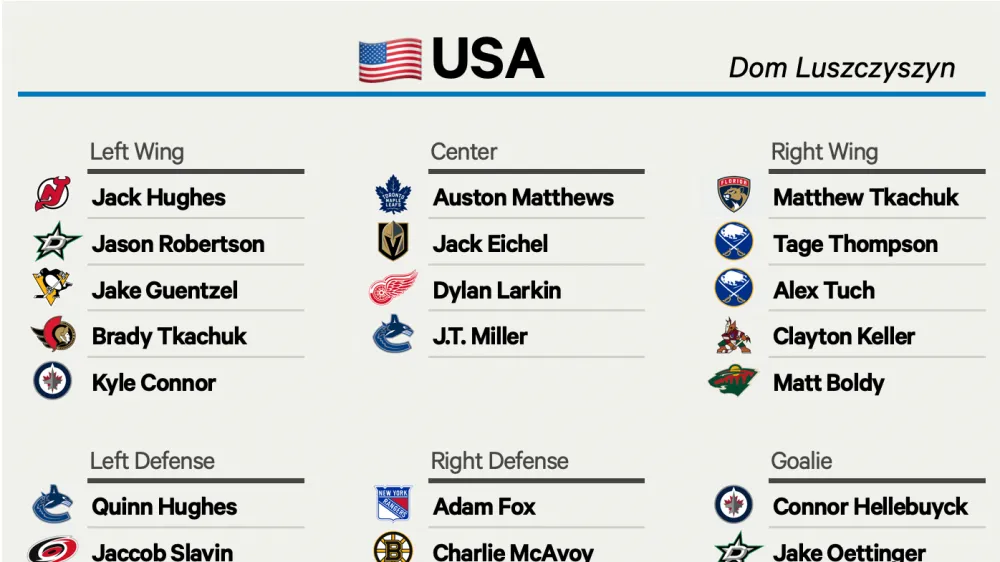
How NHL daily projected lineups and starting goalies updates work
NHL teams typically don’t announce their official starting lineups until closer to game time, which means projections become invaluable tools for those who need to make decisions hours in advance. Morning skates usually provide the first concrete clues about which goalie will start, as the netminder who exits the ice first is traditionally expected to get the nod. However, coaches have been known to use this as a decoy or simply change their minds based on late-breaking circumstances.
Projected lineups combine insider information, beat reporter updates, team practice observations, and historical patterns to predict which players will dress for each game. These projections are constantly refined as new information becomes available throughout the day. A player listed as a healthy scratch during morning skate might suddenly be inserted into the lineup if a teammate experiences a setback during warmups.
The timing of these updates matters tremendously. Early morning projections might be based on previous games and practice notes, but by mid-afternoon, reporters covering teams will have attended morning skates and can provide more concrete information. The final hour before puck drop often brings the most critical updates, as official lineup cards must be submitted to game officials. For those seeking comprehensive coverage of these changes, Daily NHL projected lineups and starting goaltenders updates provide essential real-time information for strategic planning.
Reliable sources for this information include team beat writers on social media, official team websites, and specialized hockey analytics sites. Each source has its strengths—beat writers often break news first, while analytics sites compile information across all 32 teams in one convenient location. The NHL’s official website publishes comprehensive daily projections that include line combinations, defense pairings, injury reports, and scratched players for every game on the schedule.
Understanding the impact of starting goalies on game outcomes
The goaltender position holds unmatched influence over game results in the NHL. A hot goalie can single-handedly carry a defensively weak team to victory, while a cold or backup netminder might struggle even with a robust defensive structure in front of them. This reality makes goalie confirmations perhaps the most critical piece of information for bettors and fantasy players alike.
Elite starting goalies like Andrei Vasilevskiy, Connor Hellebuyck, and Igor Shesterkin typically start 55-65 games per season, but their teams carefully manage their workload to keep them fresh for crucial stretches. Back-to-back situations almost always trigger a goalie change, meaning if you see your team’s starter play on Monday night, expect the backup on Tuesday. This predictable pattern allows savvy observers to anticipate lineup changes before they’re officially announced.
The gap between a team’s starter and backup can be enormous in terms of performance metrics. According to Daily Faceoff’s goalie tracking, save percentage differences of three to five percentage points between a team’s number one and number two goalie are common. In practical terms, this might mean the difference between allowing two goals versus four or five in a typical game—a margin that dramatically affects both game outcomes and over/under betting totals.
Goalie matchups also create fascinating strategic scenarios. When two elite netminders face off, scoring chances become premium opportunities, and games often turn into defensive battles with final scores of 2-1 or 3-2. Conversely, when backup goalies start on both sides, especially in games between offensively talented teams, high-scoring affairs become much more likely. Understanding these dynamics helps predict not just who will win, but by what margin and whether the game will go over or under projected goal totals.
Teams sometimes make unexpected goalie decisions based on matchup history. A backup who has historically performed well against a specific opponent might get the start over the usual number one, particularly if the starter has struggled against that team. These situational starts represent opportunities for astute observers who track these historical patterns and can capitalize on odds that don’t fully account for these nuances.
Line combinations and their significance for fantasy and betting
Forward line combinations and defense pairings directly impact individual player performance in ways that cascade through fantasy scoring and game prop bets. A third-line player elevated to skate alongside elite talent might see their ice time and scoring opportunities double overnight. Similarly, a defenseman promoted from the third pairing to join the top power-play unit could transform from a marginal fantasy asset to a must-start player.
Coaches constantly tinker with lines searching for chemistry, especially when teams struggle offensively. These experiments can be temporary or become permanent fixtures depending on results. Tracking which players are getting promoted or demoted helps identify breakout candidates before they become obvious to the wider fantasy community. When a young player like Matt Savoie or Beckett Sennecke suddenly appears on a top line with Connor McDavid or Leo Carlsson, their fantasy value skyrockets even if their underlying skills haven’t changed —they’re simply getting better opportunities.
Power-play units represent another crucial element in lineup analysis. The difference between first and second power-play minutes significantly affects scoring potential. Players on the top unit might see five to seven minutes of power-play time per game, while second-unit players get two minutes or less. Since power-play points often constitute 30-40% of a forward’s total production, these assignments matter enormously for fantasy purposes.
Defensive pairings also create important betting angles, particularly for player prop bets on shots, blocks, and ice time. Top-pairing defensemen typically log 22-26 minutes per night, while third-pairing players might see just 12-15 minutes. This difference in ice time directly correlates to opportunities for accumulating fantasy-relevant statistics. Additionally, defensive matchups affect opposing forwards—facing an elite shutdown pairing like Cale Makar and Devon Toews is vastly different from matching up against a team’s third defensive pairing.
Injury replacements often create the most dramatic lineup changes. When a star player goes down, someone must fill that void, and identifying who gets the promotion can uncover tremendous value. For detailed strategies on leveraging these opportunities, staying ahead with NHL projected lineups and starting goalies updates offers expert insights into maximizing these situations.
Real-time information and where to find it
The NHL information ecosystem operates across multiple platforms, each serving distinct purposes in the lineup-tracking process. Twitter (X) remains the fastest source for breaking news, with team beat writers often posting morning skate observations and injury updates minutes after they occur. Following the primary beat writer for each team you’re interested in creates a personalized news feed that delivers information as it breaks.
Official team websites typically post lineup cards 60-90 minutes before game time, providing confirmed information rather than projections. However, even these can occasionally change due to last-minute warmup injuries or equipment issues. The NHL’s official website aggregates lineup information across all teams, making it an efficient one-stop resource for those tracking multiple games simultaneously.
Specialized hockey sites like Daily Faceoff, RotoWire, and The Hockey Writers dedicate resources to compiling and updating projected lineups throughout the day. These platforms typically offer formatted displays that clearly show line combinations, defense pairings, power-play units, and goalie confirmations. Their value lies in aggregation
rather than tracking 32 different team sources, these sites consolidate everything into easily digestible formats.
Mobile apps have revolutionized real-time lineup tracking by delivering push notifications directly to your phone. Fantasy hockey apps, betting platform apps, and dedicated NHL news apps can alert you the moment a starting goalie is confirmed or a key player is ruled out. These instant notifications ensure you never miss critical information that could affect your lineup or betting decisions.
Social media platforms beyond Twitter also provide value. Instagram stories from official team accounts often show morning skate footage that reveals goalie starter clues. Reddit’s hockey communities compile information from various sources and offer discussion about lineup implications. Even TikTok has become a surprisingly useful source, with team content creators posting behind-the-scenes footage that sometimes reveals lineup hints before official announcements.
The key to effective information gathering is building a system that matches your time availability and needs. Serious daily fantasy players might need to monitor multiple sources throughout the day, while casual fantasy league participants might only need to check updates once before setting their weekly lineup. Regardless of your commitment level, establishing reliable sources and checking them consistently will improve your decision-making accuracy.
Interpreting injury reports and player availability
NHL injury reports follow a standardized format but require interpretation to extract actionable insights. When a player is listed as “day-to-day,” it signals uncertainty—they might play or might not, usually depending on how they feel during warmups or morning skate. “Week-to-week” suggests a more serious issue that will definitely cost multiple games. “Month-to-month” or “indefinite” typically indicates a significant injury requiring extended recovery time.
Teams sometimes use vague injury descriptions like “upper body” or “lower body” to avoid giving opponents strategic information about vulnerabilities. While this protects competitive interests, it frustrates fantasy managers trying to estimate return timelines. Historical patterns with similar injury types can provide rough estimates, though individual recovery times vary significantly based on injury severity and player physiology.
The “injured reserve” designation in the NHL requires a minimum seven-day absence, providing clarity about short-term availability. Long-term injured reserve (LTIR) indicates a minimum 10-game and 24-day absence, signaling that fantasy managers can safely move that player to an IR spot and stream a replacement. Understanding these roster mechanics helps fantasy players maximize their active lineup efficiency.
Scratches fall into two categories: healthy scratches and injury scratches. Healthy scratches reflect coaching decisions based on performance, matchups, or roster management. These players are available to play but won’t dress for that particular game. Injury scratches involve players dealing with minor ailments who aren’t officially listed as injured but aren’t healthy enough to compete. The distinction matters because healthy scratches might return to the lineup quickly, while injury scratches could miss multiple games.
Practice participation offers the clearest indicator of near-term availability. Players who fully participate in practice are likely available for the next game, though they might still be held out for precautionary reasons. Limited participation suggests they’re healing but not quite ready. Missing practice entirely usually means they won’t play in the next game unless it’s a scheduled maintenance day for a veteran player managing chronic issues.
Strategic applications for fantasy hockey
Daily fantasy sports (DFS) players face perhaps the most time-sensitive lineup decisions, as most major platforms lock entries shortly before the first game starts. This compressed timeline makes accessing accurate lineup information absolutely critical. A late scratch can sink an entire lineup if you've already locked in that player, while late lineup promotions can create value plays that give you an edge over competitors working with older information.
Stacking strategies—rostering multiple players from the same team—depend heavily on accurate line combination information. The classic stack pairs a center with their primary winger, capturing value when that line produces goals. However, this only works if you’ve correctly identified who’s skating together. Checking morning skate reports prevents the costly mistake of stacking players who've been separated into different lines.
Goalie selection in DFS represents perhaps the highest-leverage decision you'll make. Since goalies command significant salary and can either win your contest with a shutout or destroy it with a poor performance, confirmation of who's starting matters immensely. Early confirmation allows you to adjust your skater selection based on remaining salary, while late goalie news might force uncomfortable compromises elsewhere in your lineup.
Season-long fantasy leagues operate on longer timelines but still benefit tremendously from daily lineup monitoring. Identifying which fringe players are getting consistent top-six minutes and power-play time helps you add breakout candidates before they become widely recognized. Similarly, noticing when a star player's ice time decreases or they're demoted off the top power-play unit might signal it's time to sell high before their production declines visibly.
Streaming players—adding and dropping freely available players for specific games—succeeds or fails based on lineup information. A defenseman getting promoted to the top power-play unit for a favorable home matchup represents an ideal streaming target. Conversely, even a skilled player riding a hot streak might be a poor play if they're facing an elite goalie and stuck on a lower line due to a returning teammate.
Betting angles and lineup information advantages
Sports betting markets respond to information asymmetries—if you know something the betting public doesn't, you can find value in odds that don't fully account for that information. Lineup news creates exactly these opportunities, particularly when betting lines open before starting goalies are confirmed. A team whose elite goalie is starting might offer value at their current odds if most bettors placed wagers assuming the backup would play.
Over/under total goals betting correlates strongly with goalie matchups. When two elite netminders start, betting the under becomes more attractive as scoring opportunities become more precious. The opposite holds true when backup goalies start—even if the teams typically play defensive styles, shaky goaltending can produce high-scoring games that exceed posted totals. Sites like NHL.com’s official lineup projections provide comprehensive information that helps inform these betting decisions.
Player prop bets on points, shots, assists, and other individual statistics depend on understanding ice time allocation and linemate quality. A player consistently averaging over 20 minutes might be a good bet to exceed their posted shot total, while a player whose ice time has been declining might struggle to hit their points prop. These trends don't appear in basic statistics but become obvious when tracking daily lineup patterns.
Live betting opportunities emerge when lineup information proves incorrect or changes during games. If a goalie gets pulled early, the team's chances might shift dramatically, but live odds might take several minutes to adjust appropriately. Similarly, if a star player leaves the game with an injury, the opposing team's odds might not immediately reflect their improved chances against diminished competition.
Totals betting on team totals—wagering whether a specific team will score over or under a certain goal total—benefits from understanding both their own lineup and their opponent's defensive structure. A team starting backup forwards on their third and fourth lines might struggle to score against elite opposition, making their under an attractive bet. Conversely, a team getting healthy players back into their top six might exceed goal totals set when they were dealing with injuries.
The modern NHL presents an intricate puzzle for anyone trying to gain an edge through information and analysis. Lineup changes happen constantly, goalies rotate on predictable and unpredictable schedules, and injuries create cascading effects throughout team structures. Successfully navigating this landscape requires commitment to checking reliable sources, understanding how to interpret the information you find, and applying that knowledge strategically whether you're setting fantasy lineups or placing bets. The difference between success and failure often comes down to nothing more than having the most current, accurate information about who's playing, where they're slotting into lineups, and who's standing between the pipes. By building reliable information-gathering habits and understanding the strategic implications of lineup changes, you position yourself ahead of competitors still making decisions based on outdated assumptions or incomplete data.
Frequently Asked Questions

Par Mike Jonderson
Mike Jonderson is a passionate hockey analyst and expert in advanced NHL statistics. A former college player and mathematics graduate, he combines his understanding of the game with technical expertise to develop innovative predictive models and contribute to the evolution of modern hockey analytics.