The daily ritual of checking lineup projections has become second nature for dedicated hockey enthusiasts. These projections, compiled from team morning skates, coach interviews, beat reporters, and official team sources, offer a glimpse into the strategic decisions coaches make based on matchups, injuries, and recent performance. While nothing is official until puck drop, these projections have become increasingly accurate as reporting methods have evolved and teams have become more transparent with their pre-game preparations.
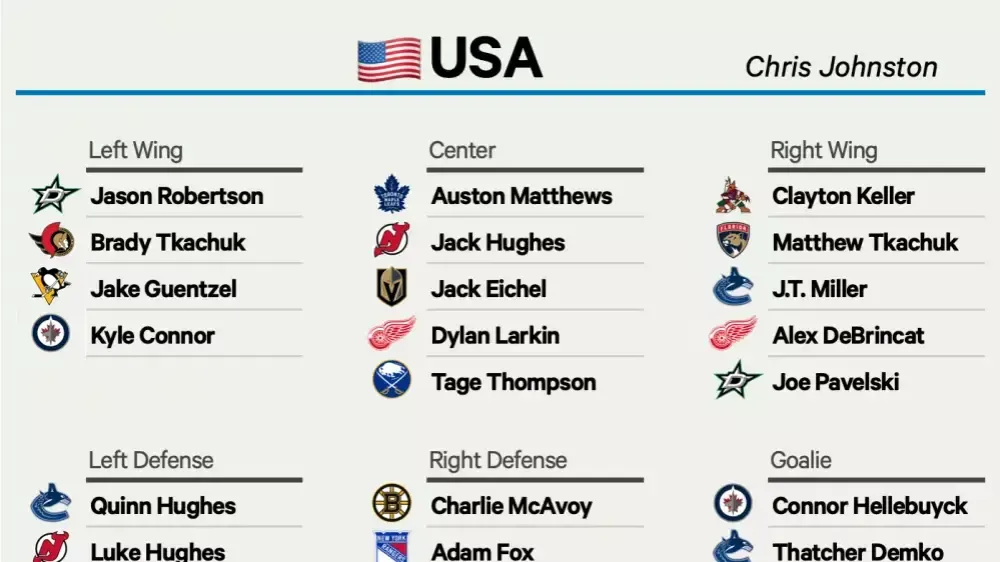
Understanding NHL game day projected lineups and starting goalies
The process of determining projected lineups begins well before fans arrive at the arena or tune in to broadcasts. Teams typically hold optional morning skates on game days, providing reporters and analysts their first opportunity to observe line combinations and defense pairings. Coaches often experiment with different configurations during practice, but morning skates reveal which players are skating together in game-ready formations.
Line combinations in hockey are far more fluid than roster configurations in other major sports. A forward line consists of a left wing, center, and right wing who work together to create offensive opportunities and maintain defensive responsibility. Defense pairings feature two players who share ice time and must develop chemistry to effectively shut down opposing attacks. Changes to these combinations can dramatically impact a team’s performance, as chemistry between linemates often determines success on the ice.
Coaches make lineup decisions based on multiple factors including player health, recent performance, matchup advantages, and rest schedules. A team facing an opponent known for physical play might insert more rugged players into the lineup, while a matchup against a skilled offensive team could prompt defensive adjustments. Home teams also have the advantage of last change, allowing coaches to dictate matchups by waiting to see which opposing players take the ice before sending out their own lines.
The impact of lineup changes extends beyond the players directly affected. When a star player moves from the second line to the first line, it creates a ripple effect throughout the entire forward group. Similarly, defensive pairings can be shuffled to better handle specific opposing threats or to spark chemistry that has been lacking. Understanding these adjustments helps fans appreciate the chess match occurring behind the bench throughout each game.
How starting goalie decisions impact game strategy
Goaltending represents the most critical position in hockey, and knowing which netminder will start provides enormous insight into team strategy and game expectations. Most NHL teams employ a tandem system with two goalies splitting duties, though the distribution of starts varies based on performance, contract considerations, and workload management. Some teams feature a clear number-one goalie who starts 60-65 games per season, while others use a more balanced approach.
The decision-making process for starting goalies involves careful consideration of multiple variables. Back-to-back games almost always result in different starters for each contest, as the physical and mental demands of NHL goaltending make consecutive starts extremely challenging. Coaches also consider recent performance, historical success against specific opponents, and whether a goalie is riding hot or cold streaks. Travel schedules factor into these decisions as well, particularly when teams face multiple games in different cities within a short span.
Teams often provide hints about their starting goalie through morning skate routines. The goalie who takes the ice first during warm-ups or who faces more shots during optional skates typically gets the starting nod, though coaches sometimes keep opponents guessing until the last possible moment. Sites like The Hockey Writers and NHL.com aggregate this information from multiple sources to provide fans with the most current projections.
Fantasy hockey managers place enormous weight on goalie starts when setting their daily lineups. A starting goalie offers the potential for significant point accumulation through saves, wins, and shutouts. Conversely, an incorrect assumption about a goalie start can leave a fantasy roster with an empty position and zero points. This makes reliable goalie projections among the most valuable information in the fantasy hockey ecosystem.
Backup goalies serve crucial roles despite fewer appearances. These netminders must stay mentally prepared while spending most nights watching from the bench, ready to enter games at a moment’s notice if the starter struggles or suffers injury. Some backup goalies excel when given opportunities, posting better statistics than their workload might suggest. Others struggle with inconsistent playing time, making their starts riskier propositions for teams and fantasy managers alike.
Sources for reliable NHL game day projected lineups and starting goalies
Multiple platforms have emerged as trusted sources for lineup and goalie projections, each offering unique features and levels of detail. Official team sources provide the most authoritative information, though they typically release official lineups closer to game time than projections suggest. Beat reporters who cover individual teams daily develop relationships with players and staff that yield inside information about lineup decisions before official announcements.
Aggregator sites compile information from various sources to present comprehensive game-day coverage for all NHL matchups. These platforms typically update throughout the day as new information becomes available from morning skates, coach interviews, and insider reports. The best aggregators clearly indicate the reliability of each projection, distinguishing between confirmed starters and educated guesses based on recent patterns.
Social media has transformed how quickly lineup information spreads through the hockey community. Team beat writers often break news about lineup changes or goalie starts through Twitter posts during morning skates, providing real-time updates that dedicated fans can access immediately. Following credible reporters who cover specific teams offers the fastest path to accurate information, though verifying details through multiple sources remains important.
Fantasy sports platforms have developed sophisticated systems for tracking and projecting lineups. These sites recognize that their users depend on accurate information to make roster decisions, incentivizing investment in reliable reporting networks. Daily fantasy sports platforms particularly excel at providing up-to-the-minute updates, as their business model depends on users having access to the latest information when setting lineups minutes before game time.
The accuracy of projections has improved dramatically as reporting infrastructure has expanded. Where fans once relied on pre-game radio shows or early newspaper reports for lineup information, today’s connected world provides near-instantaneous updates. However, last-minute changes still occur due to illness, undisclosed injuries, or strategic decisions, reminding everyone that projections remain educated estimates until official confirmation arrives.
Key factors affecting lineup changes and goalie selections
Injuries represent the most common reason for unexpected lineup changes and the primary challenge in maintaining accurate projections. NHL teams provide injury reports indicating whether players are out, day-to-day, or questionable for upcoming games, but they often decline to specify the nature or severity of ailments. This opacity makes projecting lineups for teams with multiple injured players particularly challenging, as healthy scratches and lineup shuffles create numerous possible combinations.
Performance slumps frequently trigger lineup adjustments as coaches search for combinations that spark production. A veteran player struggling to generate offense might find himself moved to a lower line with less ice time, while a younger player seizing opportunities could earn promotion to play alongside elite teammates. These merit-based moves create competitive dynamics within rosters that push players to maintain high standards.
Rest and workload management have become increasingly prevalent in modern hockey strategy. Teams carefully monitor player minutes and shift counts, particularly for older veterans or those returning from injury. Strategic rest days see healthy players scratched from lineup to manage fatigue over the grueling 82-game regular season. This practice means projected lineups occasionally change not due to injury or performance, but simply to keep players fresh for the playoff push.
Special teams configurations often differ from five-on-five line combinations, adding another layer of strategic complexity. Power play units feature a team’s most skilled offensive players regardless of which line they play during even strength. Penalty kill units emphasize defensive responsibility and speed, sometimes featuring bottom-six forwards who rarely score but excel at disrupting opposing power plays. Understanding these special teams roles helps explain why certain players receive more ice time than their line placement might suggest.
Using projected lineup information for fantasy hockey success
Fantasy hockey managers who consistently access accurate lineup projections gain significant competitive advantages over opponents relying on outdated information. Knowing which players are moving up to play with elite linemates allows managers to add or start those players before their value skyrockets. Similarly, identifying when star players are resting or injured prevents wasted roster spots on players who won’t appear in games.
Daily fantasy hockey depends almost entirely on having current lineup and goalie information. Contest entries typically lock minutes before game start times, making last-minute lineup checks essential. Players listed as scratches but left in fantasy lineups earn zero points, instantly handicapping teams in competitive contests. Successful daily fantasy players develop routines for checking multiple sources in the hours before games to ensure their rosters contain only active players.
Line stacking represents an advanced strategy where fantasy managers draft or start multiple players from the same forward line. This approach capitalizes on offensive success, as goals typically involve multiple players from the same line earning points through goals and assists. Knowing projected line combinations allows managers to identify stacking opportunities with players who have developed chemistry and regularly contribute to each other’s offensive production.
Streaming goalies has become a popular strategy in season-long fantasy leagues. Rather than carrying two starting goalies on rosters, managers continuously add and drop netminders based on favorable matchups and confirmed starts. This approach requires vigilant monitoring of goalie projections and quick action when attractive streaming options appear on waiver wires. Success with this strategy depends on having reliable information about which goalies will start and which matchups favor strong performances.
The most successful fantasy hockey managers develop systems for efficiently gathering and processing lineup information. Many use multiple browser tabs or apps to simultaneously check various sources, cross-referencing information to verify accuracy. Others rely on fantasy-specific platforms that aggregate lineup data and provide alerts when relevant changes occur. Regardless of specific methods, consistent attention to lineup projections separates championship-caliber managers from casual participants.
The evolution of lineup reporting and projection methods
The digital age has revolutionized how lineup information reaches fans and fantasy players. Two decades ago, knowing starting lineups before games required listening to radio pre-game shows, calling arena hotlines, or waiting for newspaper reports. Today’s instant information ecosystem provides real-time updates from multiple sources, democratizing access to knowledge that once required insider connections.
Beat reporters remain the foundation of accurate lineup reporting despite technological advances. These journalists attend practices and morning skates, develop relationships with coaches and players, and break news about lineup decisions before official announcements. The best beat reporters balance maintaining source relationships with their obligation to inform the public, navigating sensitive information ethically while providing fans with valuable insights.
Advanced statistics and analytics have influenced how coaches construct lineups, adding new dimensions to projection methods. Teams increasingly rely on data about line combination effectiveness, zone entry success rates, and defensive metrics when making lineup decisions. Savvy observers incorporate this analytical approach into their projection methods, recognizing patterns in how analytics-focused coaches deploy their rosters.
Video analysis capabilities allow fans to understand lineup decisions with unprecedented depth. Watching how specific line combinations perform helps explain why coaches make certain adjustments. Observing defensive pair chemistry or lack thereof provides context for roster shuffles that might otherwise seem arbitrary. This visual element enriches the experience of following lineup changes beyond simply knowing which names appear on which lines.
The relationship between teams and media has evolved to provide more transparent lineup information than previous eras. While coaches maintain some strategic ambiguity around lineup decisions, particularly regarding injured players, most provide more forthcoming information than their predecessors. This shift reflects changing media landscapes and fan expectations for access, though competitive advantages still incentivize some level of secrecy around roster decisions.
Staying informed about NHL game day projected lineups and starting goalies has transformed from insider knowledge to widely accessible information that enhances how fans experience professional hockey. Whether tracking favorite teams, managing fantasy rosters, or simply appreciating the strategic elements of the sport, understanding daily lineup configurations adds depth and engagement to every game. The combination of traditional reporting, digital platforms, and analytical insights has created an ecosystem where information flows rapidly and accurately to those who seek it.
As the NHL continues evolving with new strategic approaches and technological innovations, the methods for projecting and reporting lineups will undoubtedly advance as well. The core value of this information remains constant—providing fans and fantasy managers with the knowledge needed to make informed decisions and fully appreciate the chess match occurring on ice. By leveraging multiple reliable sources and understanding the factors that influence lineup decisions, hockey enthusiasts can stay ahead of developments and maximize their enjoyment of the world’s fastest game.

Par Mike Jonderson
Mike Jonderson is a passionate hockey analyst and expert in advanced NHL statistics. A former college player and mathematics graduate, he combines his understanding of the game with technical expertise to develop innovative predictive models and contribute to the evolution of modern hockey analytics.