















The evolution of goaltending in professional hockey has entered a fascinating new phase, where traditional scouting methods and eye-test evaluations have been augmented by sophisticated statistical models and tracking systems. As the 2025-26 NHL season unfolds, teams are relying more than ever on advanced metrics to evaluate their netminders, make roster decisions, and identify areas for improvement. The marriage of technology and coaching expertise has transformed how goaltenders are developed, deployed, and valued across the league.
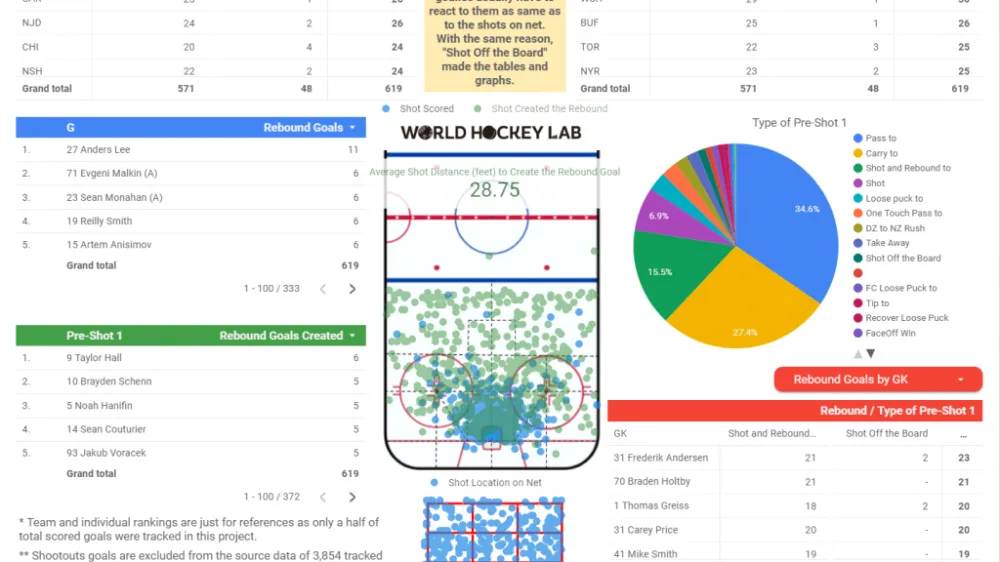
The rise of goals saved above expected in NHL goaltending analytics 2025
Goals saved above expected (GSAx) has emerged as the gold standard for evaluating goaltender performance. This metric compares the number of goals a goaltender actually allowed against what an average goalie would be expected to allow given the same quality of shots faced. According to MoneyPuck’s advanced goaltending data, this statistic isolates goaltender performance from team defensive play more effectively than traditional save percentage.
Connor Hellebuyck of the Winnipeg Jets continues to dominate GSAx rankings, demonstrating remarkable consistency over multiple seasons. Since entering the league in 2015-16, Hellebuyck has accumulated 176 goals saved above expected, 55 clear of the next-closest goaltender. His ability to maintain this level of excellence across 558 starts showcases not just elite performance, but extraordinary durability.
The metric works by calculating the expected goals based on shot location, shot type, traffic in front of the net, and other contextual factors. When a goaltender saves shots that have a higher probability of going in, they accumulate positive GSAx. Conversely, allowing goals on low-danger chances results in negative GSAx. This provides teams with a more nuanced understanding of how their goaltenders are truly performing, independent of the defensive structure in front of them.
Igor Shesterkin of the New York Rangers exemplifies why GSAx matters. Despite facing 504 high-danger shots last season—by far the most in the NHL—while playing behind a bottom-five defense, Shesterkin still managed to save 28.59 goals above expected. These numbers reveal his true value in ways that save percentage alone never could.
The widespread adoption of GSAx has changed how general managers approach contract negotiations and trade discussions. Goaltenders with consistently positive GSAx over multiple seasons command premium contracts, while those with negative marks often find themselves relegated to backup roles or seeking opportunities elsewhere.
How tracking technology shapes NHL goaltending analytics 2025 performance evaluation
The NHL’s implementation of puck and player tracking technology has revolutionized goaltending analysis. Cameras positioned throughout every arena capture data points that were previously impossible to measure with precision. This technology tracks everything from goaltender positioning to lateral movement speed, providing coaching staffs with unprecedented insights into technical proficiency.
Depth management—how goalies challenge shooters by moving in and out of their crease—can now be quantified with exact measurements. Coaches can review data showing whether their goaltender is too aggressive or too passive in specific situations. This granular information allows for targeted improvements in practice that directly address weaknesses revealed by the numbers.
Lateral explosion, another critical skill for modern goaltenders, is now measured in precise terms. The tracking system calculates how quickly a goalie moves from post to post, providing objective data on athleticism and positioning. Dustin Wolf of the Calgary Flames, despite being only 6 feet tall, generates elite tracking metrics that demonstrate his ability to overcome size limitations through exceptional movement.
The technology also measures rebound control by tracking where pucks end up after the initial save. Goaltenders who consistently direct rebounds to low-danger areas receive higher marks than those who leave juicy opportunities in the slot. Ilya Sorokin of the New York Islanders has been identified by tracking data as having inconsistent rebound control, a weakness that coaches can now address with specific drills.
High-danger save percentage has become another crucial metric derived from tracking technology. This statistic isolates save percentage on the most dangerous scoring chances, providing insight into how goalies perform under maximum pressure. Darcy Kuemper led the entire NHL with a .863 save percentage on high-danger shots last season, validating his resurgence with the Los Angeles Kings.
The intersection of traditional scouting and NHL goaltending analytics 2025
Despite the proliferation of advanced statistics, hockey experts emphasize that analytics work best when combined with traditional scouting methods. The Athletic’s annual goalie tiers rankings showcase this philosophy by polling NHL goalie coaches and retired netminders to evaluate talent through trained eyes that understand the nuances statistics cannot fully capture.
The panel of experts considers factors like play-reading ability, angle control, rebound management, and mental toughness—elements that don’t always show up clearly in box scores. For instance, Jake Oettinger of the Dallas Stars receives high marks from coaches for “playing chess when other guys are playing checkers,” thanks to his understanding of how to manipulate shooters into going where he wants them.
This qualitative assessment revealed interesting discrepancies with statistical rankings. Jordan Binnington of the St. Louis Blues ranks 37th out of 75 goalies in save percentage over the last seven seasons, yet coaches consistently grade him higher because of his ability to elevate his game in crucial moments. His performance in the 2019 Stanley Cup run and the 2025 4 Nations Face-Off gold medal game demonstrate intangible qualities that basic stats overlook.
Conversely, some goalies who post excellent regular-season numbers face skepticism from the coaching community. Hellebuyck’s .874 save percentage in the playoffs over the last three years—ranking last among goalies with at least 10 starts—raises questions about his ability to perform when stakes are highest, despite his overwhelming regular-season dominance.
The blend of analytics and scouting creates a more complete picture. Teams now employ both full-time goaltending coaches and dedicated analytics staff who collaborate on evaluation and development. Video review sessions incorporate heat maps showing shot locations, movement tracking data, and traditional film study of technique and positioning.
Advanced metrics transforming NHL goaltending analytics 2025 team strategies
NHL teams are using advanced goaltending metrics to optimize deployment strategies throughout the season. Workload management has become increasingly sophisticated, with teams analyzing not just games played but quality of shots faced, travel schedules, and recovery metrics to determine optimal rest periods.
The tandem goaltending approach has gained traction based partly on analytics showing that goaltenders with fewer than 55 starts per season often maintain better performance metrics. Teams like the Toronto Maple Leafs, who employ both Anthony Stolarz and Joseph Woll in complementary roles, use data to determine which goalie matches up better against specific opponents.
Matchup analytics have become particularly valuable. Teams analyze which goaltenders perform better against particular offensive systems or shooting styles. Some goalies excel against teams that emphasize point shots, while others are more effective against clubs that prioritize high-danger slot chances. This information informs starting decisions in crucial divisional matchups.
Draft and development strategies have also evolved dramatically. Young goalies like Dustin Wolf and Lukas Dostál emerged as legitimate NHL starters partly because analytics departments identified their elite underlying numbers in junior hockey and the AHL. Organizations now scout prospects with advanced metrics in mind, looking beyond traditional measures like wins and save percentage.
Salary cap management increasingly relies on analytical evaluation. General managers face pressure to extract value from the goaltending position without overpaying. Identifying goalies whose advanced metrics suggest they’re better than their traditional stats indicate can uncover bargain contracts. Logan Thompson, who saved 24.9 goals above expected in his first season with Washington on a modest contract, represents the type of value teams seek.
The integration of analytics has also influenced in-game coaching decisions. Some teams now provide bench staff with real-time updates on shot quality and expected goals, helping coaches decide when to call timeout after a dangerous sequence or when to pull their goalie for an extra attacker. This data-driven approach to game management represents a significant departure from the instinct-based decisions of previous generations.
The transformation of goaltending evaluation through advanced analytics represents one of the most significant shifts in modern hockey. As tracking technology becomes more sophisticated and statistical models more refined, teams gain ever-deeper insights into what separates elite netminders from average ones. However, the most successful organizations recognize that numbers tell only part of the story—combining analytical rigor with traditional scouting expertise creates the most complete evaluation framework. As the 2025-26 season progresses, the ongoing evolution of how teams measure, develop, and deploy their goaltenders will continue shaping competitive advantages across the league. The goalies who thrive in this environment are those who not only possess elite physical tools but also demonstrate the consistency and mental fortitude that both statistics and experienced eyes can recognize.

Par Mike Jonderson
Mike Jonderson is a passionate hockey analyst and expert in advanced NHL statistics. A former college player and mathematics graduate, he combines his understanding of the game with technical expertise to develop innovative predictive models and contribute to the evolution of modern hockey analytics.