Hockey Canada has confirmed it will not send a team to the 2026 Spengler Cup after its long-term agreement with the tournament organizers expired following the 2025 edition. Negotiations for a new deal fell through in time for the event, scheduled for December 26 to 31 in Davos, Switzerland. Both sides expressed gratitude for past collaborations and optimism for future involvement.
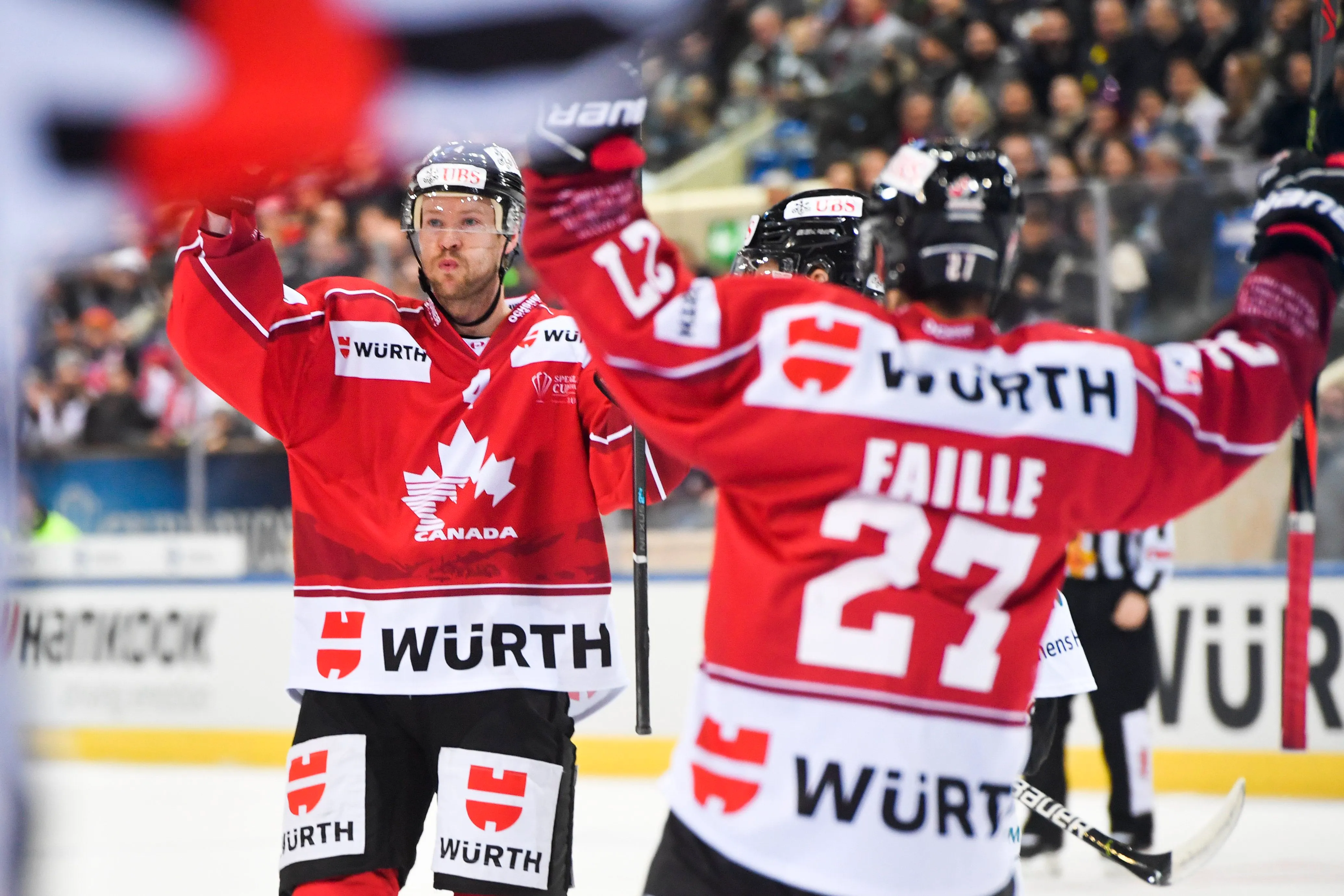
The absence marks a rare break from tradition, as Canadian squads have been a fixture since 1984. Fans in Davos and around the world will miss the familiar red jerseys, which have claimed 16 titles, second only to host HC Davos’s 17 victories.
A storied tournament turns 103
The Spengler Cup stands as hockey’s oldest invitational club tournament, first held in 1923 to bridge divides after the First World War. Played annually between Christmas and New Year’s Eve, it draws elite club teams from Europe and beyond to the Swiss Alps. Davos has hosted every edition, creating a holiday staple blending top talent with festive atmosphere.
Over the decades, the event evolved from wartime reconciliation to a showcase for international club hockey. European powerhouses like HC Davos and Frölunda HC have dominated, but North American participation added flair. The tournament’s prestige endures, even without NHL stars, focusing on pros from other leagues.
Team Canada’s entry in 1984 elevated the competition’s profile. Composed of Canadians playing in Europe, the AHL, or as free agents, the squad brought NHL-caliber skill. Players like James Reimer, who suited up in 2025 before joining the Ottawa Senators, highlight the pipeline to bigger stages.
The 2025 edition saw HC Davos claim their 17th title, underscoring the hosts’ dominance. Despite the COVID cancellation in 2021, the tournament rebounded strongly, with the U.S. Collegiate Selects making a splash in their debut.
Resilience defines the Spengler Cup. From its origins to modern logistics, organizers adapt to challenges like pandemics and scheduling conflicts.
Team Canada’s legacy and impact
Since joining in 1984, Team Canada amassed 16 championships, cementing their status as perennial contenders. Their rosters typically feature overlooked talents: AHL grinders, European pros, and free agents honing skills for NHL shots. This setup mirrors past Olympic preparations, like 2017 when Hockey Canada evaluated players for the 2018 PyeongChang Games amid NHL opt-out.
Hockey Canada’s statement captured the sentiment: “The Spengler Cup is a special event, and we are grateful for our many years of partnership with the organizing committee and the fan support in Davos.” Discussions continue for potential returns, signaling no permanent rift.
The team’s popularity stems from high-energy play and rivalries with European clubs. Wins often come in dramatic fashion, boosting players’ profiles. Reimer’s 2025 stint exemplified this, leading to an NHL deal shortly after.
Beyond trophies, the Spengler served strategic roles. In non-NHL Olympic years like 2018 and 2022 (though 2021 cancelled), it tested depth charts. Canada’s absence in 2026 shifts focus elsewhere, but their legacy lingers.
Fan reactions mix disappointment with understanding. Social media buzzed with memories of past triumphs, while organizers noted Canada’s integral role since 1984.
Reasons behind the absence
Talks between Hockey Canada and the Spengler Cup committee dragged longer than anticipated. With other teams needing firm commitments for logistics, the decision prioritized the schedule. The organizing committee stated: “As the discussions took more time than originally expected and, in parallel, other potential participants required timely commitments for organizational reasons, the Organizing Committee of the Spengler Cup Davos, in coordination with Hockey Canada, decided to hold the 2026 tournament without Team Canada.”
This stems from expired agreements post-2025, not deeper issues. Both parties emphasize ongoing dialogue for future editions. For Hockey Canada, shifting priorities like Olympics or Worlds may factor in.
Logistical hurdles in international scheduling play a role. Securing players from various leagues demands coordination, especially during holidays. The compressed timeline left no room for extension.
No bad blood evident—statements highlight mutual respect. Hockey Canada looks forward to the tournament’s future, suggesting a pause, not an end.
This opens doors for fresh matchups, potentially boosting attendance through novelty.
Confirmed teams and format outlook
Four teams locked in for 2026, blending familiarity and debuts.
- HC Davos: Hosts and defending champions, chasing title 18 in their home rink.
- Frölunda HC: Swedish Hockey League side, fresh off Champions Hockey League success.
- SCL Tigers: National League club making Spengler debut, adding local flavor.
- U.S. Collegiate Selects: NCAA all-stars returning after strong 2025 showing, including a win over Davos.
Two more spots pending announcement, likely European clubs. The round-robin format promises intense games, culminating in semifinals and final on December 31.
Ticket details emerge: VIP packages available now via Spengler Cup site, tournament passes mid-July, singles from September.
Without Canada, expect tighter contests. U.S. collegians bring youthful speed against pros.
This lineup maintains quality, drawing global eyes.
What lies ahead for the Spengler Cup
The 2026 edition tests the tournament’s draw sans Canada. Organizers aim for return “in the future,” per releases. Success could lure more North American entries, like past AHL teams.
For Hockey Canada, focus shifts to Olympics or domestic events. Players may join clubs instead, keeping talent in circulation.
Fans anticipate rivalries anew. U.S. Selects’ return signals growing NCAA interest, per recent announcements.
The Spengler Cup endures, its 103rd chapter promising holiday hockey thrills.
Canada’s skip underscores evolving international calendars, but dialogue persists. Expect Team Canada back stronger, preserving the event’s North American pulse. For now, Davos gears up for a Canada-free classic—watch for upsets and new heroes.
Frequently Asked Questions

Par Mike Jonderson
Mike Jonderson is a passionate hockey analyst and expert in advanced NHL statistics. A former college player and mathematics graduate, he combines his understanding of the game with technical expertise to develop innovative predictive models and contribute to the evolution of modern hockey analytics.