









The anticipation was palpable as I stepped into Studio 21 at the NHL Network in Secaucus, New Jersey, for the 2026 NHL draft lottery on May 5. With the Toronto Maple Leafs holding the fifth-best odds at 8.5 percent, the stakes couldn’t have been higher—especially with conditional first-round picks owed to Boston and Philadelphia that improved dramatically if Toronto moved out of the top five.[1][2] Permission from The Hockey News to attend turned what could have been a tense TV watch into an unforgettable live experience. The league’s shift to a fully transparent, ball-by-ball draw had fans buzzing, and being there confirmed why this format is a game-changer.
As the balls began to drop one by one, the room filled with a mix of nerves and excitement. The Maple Leafs’ fan base, long starved for draft luck, hung on every update. What unfolded was pure drama, culminating in Toronto’s stunning leap to the No. 1 overall pick—their first lottery win in a decade.[3]
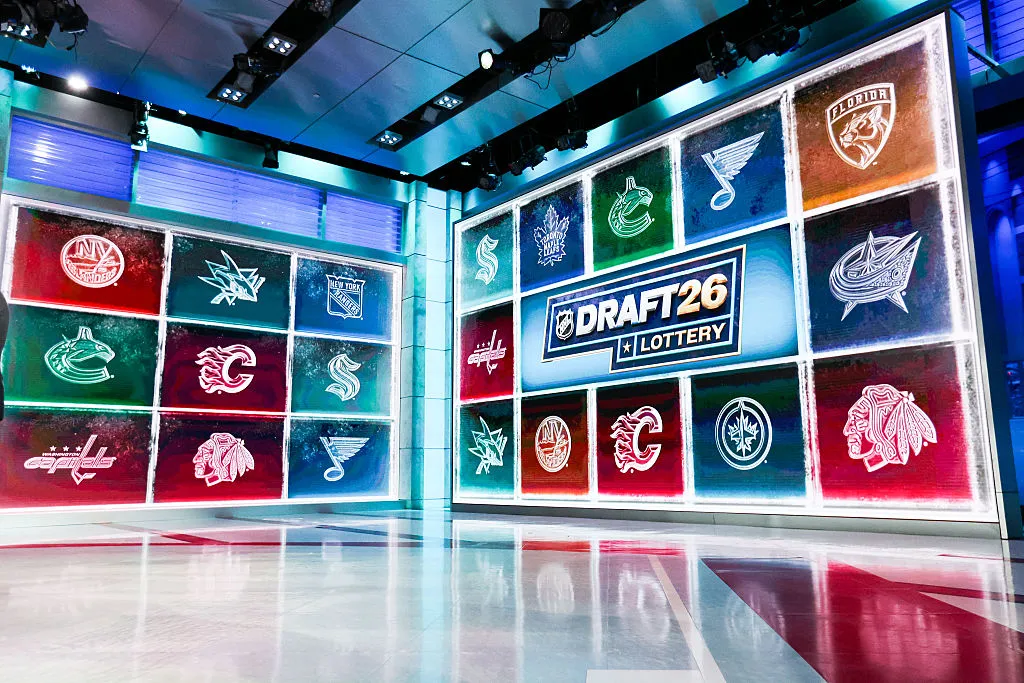
The NHL’s bold shift to live draft lottery draws
The NHL draft lottery has evolved significantly over the years, but the 2025 pivot to a live, ball-by-ball format marked a revolutionary step. Previously, teams endured a “sequestered” reveal with pre-recorded envelopes, building tension but lacking transparency. Now, 14 table tennis balls numbered 1-14 are drawn sequentially from a machine, creating 1,001 possible four-ball combinations that determine the top pick order.[1]
Steve Mayer, the NHL’s president of content and events, championed the change. “The sequestered one, you’re tense,” Mayer explained. “Just being in the room, there’s that moment where you’re waiting for that last ball—and just knowing and feeling that, that felt like it needed to be live.”[4] NHL commissioner Gary Bettman was initially wary, citing concerns like machine malfunctions, but he came around after Mayer’s persistence. A backup machine stood ready, though unnecessary on the night.
Rehearsals spanned two days with eight full runs, ensuring flawless execution. This year, they even displayed the second pick live during winner interviews, adding layers to the broadcast. The tech, powered by SNT—the firm behind player and puck tracking—updated odds in real time as each ball emerged, making the suspense visceral.
For non-playoff teams like the Maple Leafs, this format turns lottery night into must-watch TV. It democratizes the process, letting viewers track their odds live rather than guessing. As one observer noted post-draw, it’s “transparent, dramatic, and fun.”[4]
The result? Higher engagement across the board. Even teams without top odds felt the thrill, proving the lottery’s appeal beyond the biggest losers.
Inside Studio 21: The atmosphere and preparation
Walking behind the cameras offered a front-row seat to the production magic. The studio hummed with energy, screens flashing live odds that shifted with every draw. NHL staff monitored the machine closely, ready for any hiccup after Bettman’s pre-event jitters.
Mayer highlighted the seamless integration: “We worked with SNT… They came up with something where this is all interfaced and automatic. The odds change, and it’s pretty incredible what they can do on the fly.” That real-time tech elevated the show from static reveal to interactive spectacle.
Team representatives sat poised, faces a mix of hope and dread. For Toronto, the conditional picks added extra weight—a 41.9 percent chance to retain their slot, per pre-lottery odds, but a real risk of sliding back.[1] The room’s tension mirrored fan reactions worldwide, from Scotiabank Arena watch parties to online streams.
Backup plans were meticulous, from the spare machine to contingency scripts. No issues arose, allowing the focus to stay on the balls. This polish made the event feel polished yet raw, capturing hockey’s unpredictability.
Post-draw interviews flowed naturally, with winners like Toronto basking in the glow. It was a reminder of why live events thrive: shared, unscripted joy.
The ball-by-ball drama leading to Toronto’s win
The draw kicked off with ball number 7, narrowing the field instantly. Odds boards flickered—Vancouver’s top chances dipped, Chicago’s held steady. Ball two followed, then 11, building to the fateful 12 that sealed Toronto’s combination: 7-2-11-12.[5]
From fifth (8.5 percent odds), the Maple Leafs rocketed to No. 1, edging out San Jose (No. 2) and Vancouver (No. 3). The studio erupted subtly—controlled chaos for pros, but electric nonetheless. San Jose’s jump from ninth was notable, but Toronto’s defied logic.
Fans online exploded, some joking the lottery was “fixed” amid the improbability.[6] Yet the transparency quelled doubts; every ball was public. As our pre-lottery simulation showed, Toronto landing Gavin McKenna felt scripted—now it’s reality.
The format’s genius shone here: each draw ratcheted tension, impossible to look away. Compared to 2016’s Matthews retention or past static reveals, this was peak drama.
Relief washed over Toronto’s contingent as the Bruins and Flyers’ pick protections evaporated. A monumental shift for a franchise craving young talent.
Implications for the Maple Leafs and the 2026 draft
This No. 1 pick hands Toronto a generational talent like Gavin McKenna or Porter Stenberg, per early mocks.[2] Their first top selection since 2016, it resets roster dynamics amid cap pressures and recent playoff woes. As detailed in the official NHL recap, the win voids traded picks, freeing future flexibility.
Front office buzz intensifies, with GM search speculation heating up for the offseason. Selecting McKenna, a CHL standout, could echo Matthews’ impact.
The draft, set for late June, looms large. Here’s the top five post-lottery:
- Toronto Maple Leafs
- San Jose Sharks
- Vancouver Canucks
- Chicago Blackhawks
- (TBD, but strong contenders remain)[7]
Team radio and post-game quotes captured the euphoria. “Monumental opportunity,” one insider called it. For Leafs Nation, it’s validation after years of heartbreak.
This windfall positions Toronto for contention, blending vets with elite youth.
The 2026 draft lottery didn’t just crown a winner—it redefined lottery nights as prime-time entertainment. Transparent and thrilling, the format benefits all 32 teams by boosting visibility. For the Maple Leafs, it’s a launchpad toward Stanley Cup contention, with McKenna potentially starring by 2027. As the draft approaches, Toronto fans can dream big: this victory feels like the start of something special.
Frequently Asked Questions

Par Mike Jonderson
Mike Jonderson is a passionate hockey analyst and expert in advanced NHL statistics. A former college player and mathematics graduate, he combines his understanding of the game with technical expertise to develop innovative predictive models and contribute to the evolution of modern hockey analytics.