


In the fast-paced world of professional hockey, staying informed about roster changes and goaltending decisions can mean the difference between making smart fantasy hockey picks or placing winning bets. Every morning, coaches and general managers finalize their lineups, accounting for injuries, matchups, back-to-back games, and player performance trends. For fans, fantasy players, and bettors alike, accessing reliable daily NHL game day projected lineups and starting goalies updates has become an essential part of the hockey experience. The ability to track these changes in real-time provides a competitive edge that separates casual observers from serious hockey enthusiasts.
The landscape of NHL information has evolved dramatically over the past decade. What once required waiting for game-time announcements or scouring multiple team websites can now be found through dedicated platforms that aggregate data from across the league. These resources compile information from team practices, media availabilities, and insider reports to give fans the most accurate projections hours before puck drop. Understanding where to find this information and how to interpret it effectively can transform your approach to following the NHL season.
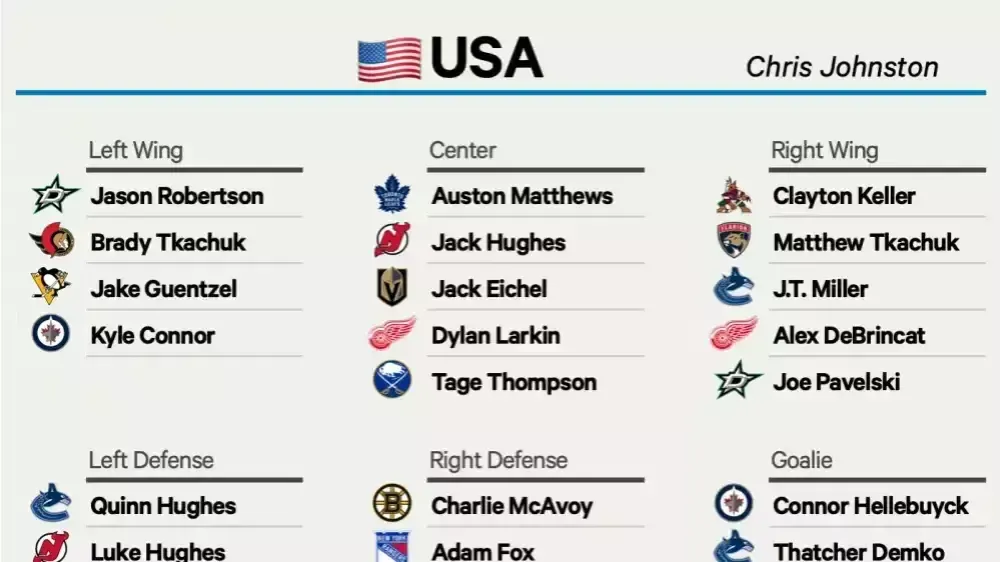
Where to find reliable daily NHL game day projected lineups and starting goalies updates
Multiple platforms have emerged as trusted sources for lineup and goaltending information, each offering unique features that cater to different needs. Daily Faceoff stands out as one of the most comprehensive resources, providing real-time projections that include percentage likelihood ratings for each starting goalie. Their system combines live sportsbook odds with goaltending consistency metrics to generate rankings that help users make informed decisions. The platform updates continuously throughout the day as new information becomes available from team practices and media sessions.
RotoWire offers another excellent option, particularly for fantasy hockey players who need detailed statistical context alongside lineup information. Their projected goalie status system clearly distinguishes between confirmed starters and likely starters, giving users confidence levels for each projection. This transparency helps eliminate guesswork when setting fantasy lineups or placing same-day wagers. The platform also provides comprehensive injury reports and scratch information that affects not just goaltenders but entire forward lines and defensive pairings.
The Hockey Writers has built a reputation for thorough daily coverage that goes beyond simple lineup listings. Understanding NHL game day projected lineups and starting goalies requires context about why certain decisions are made, and this platform delivers exactly that. Their daily articles include status reports explaining why specific players are in or out, which backup might start based on recent workload, and how injuries are reshaping team strategies. This narrative approach helps readers understand the reasoning behind coaching decisions rather than just seeing names on a list.
NHL.com’s official coverage provides the most authoritative source since information comes directly from team staff writers and independent correspondents embedded with each franchise. While projections from other sources rely on educated predictions, NHL.com’s lineup reports often reflect actual practice line combinations and confirmed goaltending decisions. The trade-off is timing—official confirmations typically come closer to game time compared to earlier projections available elsewhere. For those who prioritize accuracy over early information, this remains the gold standard.
PuckPedia has emerged as a valuable resource that combines lineup information with salary cap data, creating a unique perspective on roster decisions. Their platform helps users understand not just who is playing but why certain lineup combinations make financial sense for teams managing their cap space. This added dimension proves particularly useful during trade deadline periods or when teams are making roster moves to comply with salary cap requirements.
How coaching strategies influence daily NHL game day projected lineups and starting goalies updates
Coaching philosophy plays a significant role in lineup construction, with different approaches creating distinct patterns that savvy observers can identify. Some coaches prefer consistent line combinations that remain intact for weeks, believing that chemistry developed over time produces better results than constant tinkering. Teams like the Vegas Golden Knights under Bruce Cassidy have historically favored this approach, allowing players to develop familiarity with linemates and establish predictable patterns that become difficult for opponents to counter.
Conversely, other coaches embrace a more fluid approach that emphasizes matchups and recent performance over established combinations. This strategy becomes particularly evident during road games when coaches lack last-change advantage and must prepare multiple lineup configurations. The ability to shuffle lines on the fly based on game flow requires depth throughout the roster and creates challenges for those trying to project lineups days in advance.
Goaltending rotations represent another area where coaching strategy becomes crucial. The traditional approach of alternating between a clear starter and backup has evolved in recent years toward more balanced workload distribution. Teams increasingly recognize that riding a single goaltender for 60-65 games can lead to fatigue and declining performance during crucial playoff pushes. Modern analytics support this shift, showing that fresher goaltenders maintain better save percentages and goals-against averages compared to workhorses who appear in too many consecutive games.
Back-to-back situations present specific challenges that influence goaltending decisions. Gone are the days when goalies like Glenn Hall appeared in 502 consecutive regular-season games. Contemporary coaching wisdom dictates that backup goalies should start the second game of back-to-back contests, though exceptions occur when matchups heavily favor using the starting netminder. Teams with strong backup goaltending options like the Toronto Maple Leafs, who can alternate between elite-level netminders, possess significant advantages during these compressed scheduling situations.
Special teams considerations also affect lineup decisions in ways that aren’t immediately obvious. Coaches may elevate certain players in the lineup specifically because of their power-play prowess or penalty-killing abilities. These strategic insertions can disrupt expected line combinations and create opportunities for depth players to move up the chart. Daily NHL projected lineups and starting goaltenders updates must account for these tactical adjustments that go beyond simple skill-level assessments.
Opponent-specific game plans frequently drive lineup changes that surprise casual observers. When facing high-speed offensive teams, coaches might insert defensive-minded forwards who sacrifice scoring potential for shutdown capabilities. Against physical opponents, lineup compositions shift toward bigger, more robust players who can match the opposing team’s intensity. These matchup-based decisions require deep roster knowledge and explain why projected lineups sometimes differ significantly from previous games.
The impact of injuries on daily NHL game day projected lineups and starting goalies updates
Injuries represent the most significant variable affecting lineup projections, creating cascading effects that extend far beyond the injured player. When a top-six forward suffers an injury, the ripple effect reshapes entire line combinations as coaches promote players from the bottom six and adjust role assignments throughout the roster. Teams with strong organizational depth can weather these storms more effectively, but even well-constructed rosters face challenges when key contributors miss extended periods.
Upper-body and lower-body injury designations that NHL teams use create ambiguity that complicates projection efforts. A lower-body injury could mean anything from a minor ankle tweak to a significant knee problem, creating uncertainty that affects lineup projections until official word comes from team management.
Goaltending injuries prove particularly disruptive since teams typically carry only two netminders on their active roster. When a starting goalie goes down, the backup assumes the primary role while teams scramble to recall goaltenders from their AHL affiliates or sign available free agents. These emergency situations create opportunities for unproven goalies to audition for larger roles, though the circumstances rarely favor success given the lack of preparation time and unfamiliarity with systems.
Day-to-day injury designations add another layer of complexity to lineup projections. Players listed as day-to-day might participate in morning skates only to be ruled out closer to game time, or they might be surprise additions to the lineup after sitting out practices. This uncertainty forces those tracking lineups to monitor multiple information sources throughout the day, adjusting projections as new details emerge from team facilities.
Load management has become increasingly common as teams prioritize player health over individual game results, particularly early in the season. Veterans dealing with chronic issues might receive scheduled rest days that aren’t technically injury-related but still affect lineup construction. These planned absences sometimes surprise observers who don’t understand the long-term health management strategies teams employ.
The salary cap implications of injuries also influence roster decisions in subtle ways. When multiple players hit injured reserve, teams gain cap relief that allows them to recall additional players from the minors or make roster additions that wouldn’t otherwise fit under the cap ceiling. These temporary roster expansions create opportunities for prospects and depth players while complicating lineup projections with additional variables to consider.
Using daily NHL game day projected lineups and starting goalies updates for fantasy hockey success
Fantasy hockey success depends heavily on staying current with lineup information, as starting a healthy scratch or backing a third-string goalie can doom weekly matchup results. Daily monitoring of projected lineups allows fantasy managers to make informed start-sit decisions before rosters lock, maximizing the value of their draft picks. This diligence proves especially crucial during the fantasy playoffs when single-game performances can determine championships.
Understanding goaltending rotations provides significant advantages in categories leagues where starts, wins, save percentage, and goals-against average all contribute to weekly totals. Knowing which goalie will start allows managers to stream available netminders who face favorable matchups, a strategy that separates championship teams from also-rans. The predictability of some team rotations creates opportunities to plan multiple days ahead, while other teams’ unpredictable approaches require day-of adjustments.
Line combination changes can transform the fantasy value of middle-six forwards overnight. When a player moves from the third line to the top unit alongside elite scorers, their point production potential increases dramatically. Astute fantasy managers who identify these promotions early can add breakout candidates before competition notices, acquiring valuable assets from the waiver wire. Conversely, demotions signal declining opportunities and prompt sell-high decisions before broader fantasy communities recognize the trend.
Power-play unit assignments carry enormous weight in fantasy hockey since even limited even-strength players become valuable if they quarterback the first unit. Daily lineup information that includes special teams groupings helps managers evaluate whether players maintain premium deployment or have been bumped to second units. These changes often precede declining production and should influence trade and roster decisions.
Injury replacements create streaming opportunities for fantasy managers willing to work the waiver wire aggressively. When star players hit injured reserve, their replacements often assume expanded roles with increased ice time and power-play opportunities. Identifying these situations early allows managers to grab temporary value pieces that contribute during critical fantasy matchup periods. The key lies in recognizing when injuries create genuine opportunity rather than simply shuffling minutes among existing players.
Daily transaction monitoring complements lineup tracking by revealing call-ups, send-downs, and waiver claims that signal roster changes before they appear in projected lineups. When teams recall forwards from the AHL, fantasy managers can infer that roster spots have opened due to injuries or poor performance. These transactions often precede official injury announcements by hours or even days, giving attentive managers time to react before competition catches up.
Leveraging daily NHL game day projected lineups and starting goalies updates for betting success
The starting goaltender represents the single most important variable in NHL betting, as elite netminding can overcome offensive deficiencies while poor goaltending dooms even high-scoring teams. Sportsbooks adjust their lines significantly based on confirmed starters, meaning bettors who act on reliable projections before official announcements can find value that disappears once information becomes public. This edge requires access to trustworthy sources like Daily Faceoff that track goalie confirmations throughout the day.
Totals betting relies heavily on understanding both teams’ offensive capabilities and defensive structures, with goaltending quality serving as the ultimate determinant of whether games go over or under. When two defensive-minded teams with hot goalies face off, betting the under becomes attractive regardless of the number. Conversely, high-octane offenses facing backup netminders who struggle with consistency create prime over opportunities. The challenge lies in identifying these situations before betting markets efficiently incorporate the information.
Line changes that elevate or demote key players affect team scoring potential in ways that casual bettors often overlook. When a team’s top scorer moves from the first line to the second due to line shuffling or matchup considerations, their goal-scoring probability decreases. Sharp bettors who track these lineup nuances can identify situations where team strength has been temporarily compromised, creating value on the opposing side or under totals.
Back-to-back situations create exploitable betting opportunities since teams starting backup goaltenders typically show higher variance in performance. While some backups perform admirably in limited action, others represent significant downgrades from their starting counterparts. Identifying teams playing their backup on the second night of a back-to-back allows bettors to fade those squads or bet overs against suspect goaltending. According to The Hockey Writers’ daily coverage, teams regularly rotate goaltenders in these scenarios following predictable patterns.
Live betting creates opportunities for bettors who track in-game goalie changes and their impact on game dynamics. When a starting goalie gets pulled after allowing early goals, the replacement often faces pressure situations that affect performance. Understanding each team’s goaltending depth helps bettors evaluate whether these changes favor one side or create over/under opportunities as game scripts flip. The speed of live betting markets means those with superior information can capitalize before odds adjust.
Injury news breaks throughout the day, often after opening lines are posted but before games begin. Bettors monitoring lineup updates can identify situations where key players unexpectedly scratch, creating value on sides or totals that don’t reflect diminished team strength. This information edge exists in the window between news breaking and sportsbooks adjusting their offerings, requiring constant vigilance and quick action when opportunities arise.
Staying informed about daily NHL game day projected lineups and starting goalies updates has evolved from a casual interest into a competitive necessity for anyone seriously engaged with professional hockey. Whether you’re managing fantasy teams, placing strategic wagers, or simply following your favorite club with dedicated attention, access to accurate and timely information provides advantages that compound over an 82-game season. The platforms and resources available today offer unprecedented insight into coaching decisions, roster management, and strategic considerations that shape nightly outcomes across the league.
The key to maximizing this information lies not just in accessing it but in understanding the context behind decisions and recognizing patterns that emerge over time. Coaching tendencies, injury management approaches, and goaltending rotation strategies all follow predictable patterns once you know what to look for. By combining multiple information sources, staying alert to breaking news, and applying critical thinking to lineup projections, you can develop an edge that separates you from casual observers and positions you for consistent success throughout the season.

Par Mike Jonderson
Mike Jonderson is a passionate hockey analyst and expert in advanced NHL statistics. A former college player and mathematics graduate, he combines his understanding of the game with technical expertise to develop innovative predictive models and contribute to the evolution of modern hockey analytics.