









The Edmonton Oilers have finally made their move. After years of goaltending instability that has cost them in consecutive Stanley Cup Finals, the Oilers pulled the trigger on a blockbuster trade with the Pittsburgh Penguins, acquiring Tristan Jarry in exchange for Stuart Skinner, Brett Kulak, and a 2029 second-round draft pick. The deal, confirmed by multiple sources on December 12, 2025, sends Jarry and forward Sam Poulin to Edmonton while addressing what has become the organization’s most glaring weakness between the pipes.
The timing proves particularly intriguing given the Penguins’ position in playoff contention. Pittsburgh currently holds a playoff seed, making the decision to move their established starter somewhat surprising on the surface. However, the financial implications reveal the logic—Jarry carries a $5.375 million cap hit through 2028, while Skinner’s $2.6 million contract expires after this season. The Penguins also receive Kulak’s $2.75 million expiring deal, creating immediate flexibility for a franchise looking to retool around its aging core.
Jarry arrives in Edmonton during what constitutes a career renaissance. The 30-year-old British Columbia native has posted a 9-3-1 record this season with a .909 save percentage and 2.66 goals-against average. Advanced metrics look even more favorable, with Money Puck calculating 9.8 goals saved above expected—numbers that place him firmly in the upper tier of NHL goaltenders this campaign.
This resurgence follows a tumultuous 2024-25 season that saw Jarry clear waivers in January after posting an 8-8-4 record with a dismal .886 save percentage and 3.31 GAA. A stint in the AHL seemed to reset his game, and he returned to finish the season with a 16-12-6 record, though his .893 save percentage and 3.12 GAA still left questions about his long-term viability as a starter. Those concerns appear answered through his first 14 games this season.
The Oilers desperately needed this upgrade. Edmonton enters the trade with the second-worst team save percentage in the NHL at .873. Their goaltending carousel has spun through multiple options over the past two seasons, with Skinner and Calvin Pickard combining for an .879 save percentage through 31 games this campaign. The struggles have undermined a roster built around Connor McDavid and Leon Draisaitl’s offensive brilliance, costing them in critical moments during their consecutive Stanley Cup Final appearances against the Florida Panthers.
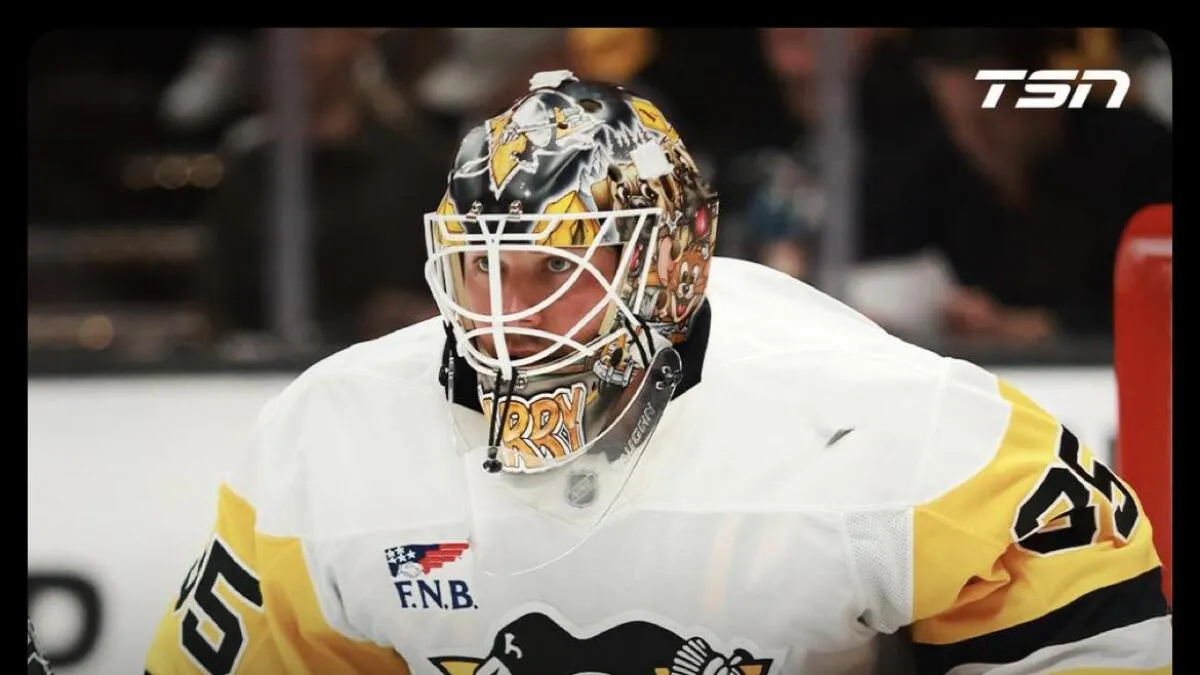
Edmonton Oilers trade for Tristan Jarry to fix goaltending issues: A seismic shift in the crease
The transaction represents more than a simple goalie swap—it signals a fundamental change in how Edmonton approaches its championship window. General manager Ken Holland has watched his team reach the pinnacle of the sport twice, only to fall short partially due to inconsistent goaltending. The acquisition of Jarry suggests a win-now mentality that prioritizes stability over development.
Breaking down the trade assets
Edmonton receives:
- Tristan Jarry: Established veteran with playoff experience and current Vezina-caliber form
- Sam Poulin: 24-year-old forward and 2019 first-round pick with 20 points in 22 AHL games this season
Pittsburgh receives:
- Stuart Skinner: 27-year-old former starter who helped Edmonton reach two Finals but has regressed significantly
- Brett Kulak: Reliable defenseman with two assists in 31 games, a key piece in Edmonton’s recent playoff runs
- 2029 second-round pick: Future asset for a Penguins team entering transition
The inclusion of Kulak surprises some analysts, given his importance to Edmonton’s defensive structure. However, the Oilers immediately addressed this loss with a separate trade, acquiring Spencer Stastney from Nashville for a 2027 third-round pick. Stastney brings a cap-friendly $825,000 hit and can absorb Kulak’s 17:42 minutes per game average.
Analyzing Tristan Jarry’s game and fit in Edmonton
Jarry’s playing style should mesh well with Edmonton’s system. His positional awareness and rebound control address specific weaknesses that plagued Skinner, who too often surrendered second and third opportunities in high-danger areas. Jarry’s .909 save percentage this season masks even stronger underlying numbers, particularly his performance on the penalty kill and in one-goal games.
The British Columbia native brings familiarity with high-pressure situations. During his peak 2021-22 campaign, Jarry posted a 34-18-6 record with a 2.24 GAA and .919 save percentage, demonstrating legitimate top-tier potential. While his subsequent seasons featured inconsistency, his current form suggests a matured goaltender who has learned to manage the mental aspects of the position.
Coach Kris Knoblauch should find Jarry’s puck-handling abilities particularly valuable. The Oilers’ breakout system relies heavily on goaltender involvement, and Jarry’s ability to spring breakouts with accurate passes could reduce pressure on a defense corps that has looked vulnerable at times this season.
Stuart Skinner’s decline and departure
Skinner’s regression from promising young starter to trade fodder happened startlingly fast. The 27-year-old owns an 11-8-4 record this season with a concerning .891 save percentage and 2.83 GAA. While he showed flashes of brilliance—including stopping 81 of 86 shots across three games in the 2024 Stanley Cup Final—his inconsistency proved maddening.
December provided a brief reprieve, with Skinner posting a .921 save percentage in four starts before the trade. However, the trust had clearly eroded within the organization. As pending unrestricted free agents, both Skinner and Kulak represented expiring assets, making them logical trade chips in a deal for a controlled asset like Jarry.
The Penguins’ acquisition of Skinner carries significant risk but also upside. He joins Arturs Silovs, creating a tandem of relatively unproven netminders. Pittsburgh clearly believes a change of scenery might unlock Skinner’s potential, while gaining cap flexibility and a useful defenseman in Kulak for their own playoff push.
Edmonton Oilers trade for Tristan Jarry to fix goaltending issues: Contract implications and future outlook
Jarry’s contract structure through 2028 provides Edmonton cost certainty at a critical position. The $5.375 million annual cap hit represents fair market value for a starting goaltender performing at his current level, though it does commit the Oilers long-term to a player with recent volatility.
Salary cap ramifications
For Pittsburgh, shedding Jarry’s remaining three years creates approximately $5.4 million in annual space. The Penguins acquire two expiring contracts totaling $5.35 million, giving them immediate flexibility while maintaining competitiveness. The 2029 second-round pick adds future value, though its worth remains unknown this far out.
Edmonton absorbs Jarry’s cap hit but simultaneously sheds Skinner’s $2.6 million and Kulak’s $2.75 million. The Spencer Stastney acquisition adds only $825,000, making the net financial impact essentially neutral for this season while upgrading the most important position on the ice.
What this means for Edmonton’s championship aspirations
The move screams urgency. At 14-11-6 and holding a wild-card spot, the Oilers aren’t pressing the panic button, but they recognize their current goaltending wouldn’t survive another deep playoff run. Jarry’s arrival provides a legitimate NHL starter who can steal games—a crucial element for any Cup contender.
The psychological impact shouldn’t be underestimated. McDavid and Draisaitl have carried immense pressure, knowing any mistake could prove fatal with unreliable goaltending. Jarry’s presence should allow the team to play more freely, particularly in tight games where one goal could decide the outcome.
Questions remain about Edmonton’s defensive depth after losing Kulak, but Stastney’s acquisition softens the blow. The Oilers also placed Jake Walman on long-term injured reserve, suggesting further moves might materialize as they optimize their roster for a postseason push.
Pittsburgh’s perspective and goaltending future
The Penguins’ faith in Skinner reflects their belief in their developmental infrastructure. Pairing him with Silovs, who owns a 4-4-5 record with a .900 save percentage, creates a young tandem with potential. General manager Kyle Dubas clearly prioritizes financial flexibility and future assets over holding onto a proven but expensive veteran.
Kulak’s addition strengthens Pittsburgh’s blueline for their playoff run. The 31-year-old defenseman has been a reliable presence during Edmonton’s deep postseason runs, and his experience should prove valuable for a Penguins team pushing to return to the playoffs for the first time since 2022.
Edmonton Oilers trade for Tristan Jarry to fix goaltending issues: Final trade analysis and grade
Both teams achieve their objectives in this swap. Edmonton acquires stability at the game’s most volatile position, betting that Jarry’s current form represents his new baseline rather than a hot streak. Pittsburgh gains flexibility and assets while acquiring upside in Skinner and a solid contributor in Kulak.
Trade grades
Edmonton Oilers: B+
The Oilers paid a reasonable price for a legitimate starting goaltender performing at a high level. Losing Kulak hurts their defensive depth, but the Stastney trade mitigates this concern. If Jarry maintains his current form, this trade could push Edmonton over the championship hump. The long-term contract provides stability but carries risk if he regresses.
Pittsburgh Penguins: B
Pittsburgh sacrifices a playoff-caliber goaltender but gains necessary cap relief and future assets. Skinner’s potential remains intriguing, and Kulak immediately helps their defense. The second-round pick adds value, though its worth won’t be known for years. The Penguins accept short-term risk for long-term flexibility.
The true evaluation depends on Jarry’s performance in Edmonton and Skinner’s development in Pittsburgh. For now, the Oilers addressed their most significant weakness without mortgaging their future, while the Penguins positioned themselves for financial flexibility in an increasingly competitive Metropolitan Division.
As the season progresses, all eyes will focus on Edmonton’s crease. Can Jarry maintain his resurgence under the brightest spotlight in hockey? Will this prove the final piece in a championship puzzle two years in the making? The answers will define not just this trade, but potentially the legacies of some of the game’s greatest offensive players who have waited far too long for dependable goaltending.
Frequently Asked Questions

Par Mike Jonderson
Mike Jonderson is a passionate hockey analyst and expert in advanced NHL statistics. A former college player and mathematics graduate, he combines his understanding of the game with technical expertise to develop innovative predictive models and contribute to the evolution of modern hockey analytics.