






For hockey fans, fantasy players, and bettors alike, staying current with the latest NHL game-by-game projected lineups and starting goalies updates has become an essential part of following the sport. With 32 teams playing an 82-game schedule, roster changes happen daily due to injuries, load management, performance adjustments, and strategic decisions by coaching staffs. Understanding which players will take the ice and who will guard the net can make the difference between winning your fantasy matchup, making an informed wager, or simply knowing what to expect when you tune into a game.
The dynamic nature of professional hockey means that lineups are rarely set in stone. Players move up and down lines, defensive pairings shuffle, and goaltenders split duties based on rest requirements and matchup considerations. Having access to reliable, timely information about these changes provides a competitive edge for anyone invested in the game beyond casual viewership. Whether you’re managing a fantasy roster or analyzing team strategies, knowing the projected lineups before puck drop is invaluable.
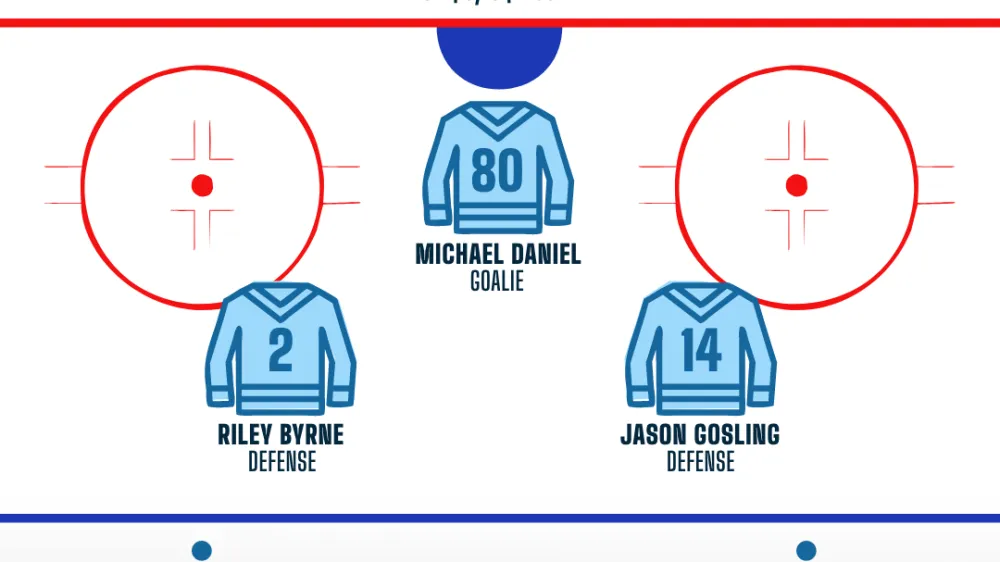
Why NHL game-by-game projected lineups and starting goalies updates matter
The importance of accurate lineup projections extends far beyond simple curiosity. For fantasy hockey managers, knowing that a key forward has moved from the fourth line to the top line with star centermen can completely alter that player’s value for the evening. Similarly, understanding which goaltender will start affects not only the netminder’s fantasy value but also the skaters facing that particular team.
Betting markets react swiftly to lineup news, with odds shifting when starting goaltenders are confirmed or when significant injuries are announced. A team missing its top defenseman or relying on a backup goaltender can see its win probability change dramatically. Smart bettors monitor these developments closely, looking for opportunities where the market hasn’t fully adjusted to breaking news.
From a pure hockey analysis perspective, lineup configurations tell stories about team strategy and player development. When a coach reunites a previously successful line combination or promotes a young prospect to a top-six role, it signals confidence and potential. Conversely, a veteran player dropping down the depth chart might indicate performance concerns or an injury that hasn’t been officially reported. The daily NHL projected lineups and starting goaltenders provide crucial insights into these tactical decisions across the league.
Injury management has also become increasingly sophisticated in the NHL. Teams often employ “load management” strategies with their goaltenders, especially during stretches of multiple games in short periods. Understanding these patterns helps predict which netminder will start even before official confirmation, giving astute observers an advantage in their planning and decision-making.
Understanding the sources behind NHL game-by-game projected lineups and starting goalies updates
Multiple sources contribute to the ecosystem of lineup projections, each with varying levels of reliability and timeliness. Official team announcements represent the gold standard—when a head coach confirms a starting goaltender in a pregame press conference or when teams release official lineup cards, that information carries absolute authority. However, these confirmations often come just hours before game time, leaving fans and fantasy managers scrambling to adjust.
Beat reporters covering individual teams provide invaluable intelligence throughout the day. These journalists attend morning skates, monitor practice line rushes, and maintain relationships with team personnel that give them insight into likely lineup configurations. When a respected beat writer tweets that a particular goaltender took the starter’s net at morning skate, that information becomes highly predictive, though not definitively confirmed until the team makes it official.
Independent aggregator sites compile information from various sources, cross-referencing reports to provide comprehensive daily updates. NHL game day projected lineups and starting goalies resources synthesize data from team announcements, beat reporters, and practice observations to deliver timely projections. These platforms serve a crucial role in centralizing scattered information into accessible formats.
According to official NHL sources, lineup projections include line combinations, defense pairs, scratched players, and detailed injury reports. The status reports accompanying these projections often contain quotes from coaches that provide context for lineup decisions, such as when Carolina Hurricanes coach Rod Brind’Amour commented on Seth Jarvis’s potential availability: “I think he’ll be alright. I think we dodged a bullet there.” These insights help fantasy managers and analysts gauge not just immediate availability but also longer-term health considerations.
Social media has revolutionized the speed of information dissemination. Reporters now break lineup news on platforms like Twitter instantly, often hours before formal publications update their sites. Following the right combination of team beat writers, fantasy hockey analysts, and official team accounts creates a real-time information network that provides competitive advantages for those paying attention.
Key factors influencing daily lineup changes for NHL game-by-game projected lineups and starting goalies updates
Injuries represent the most obvious and impactful factor driving lineup changes. The ripple effects of a single injury can cascade through an entire roster. When a top-line center gets injured, as happened with Boston’s Elias Lindholm who will miss several weeks with a lower-body injury, it forces wholesale reshuffling. According to recent reports, Bruins coach Marco Strum responded by moving Marat Khusnutdinov to center the top line with David Pastrnak, while Johnny Beecher, previously a healthy scratch, entered the fourth-line center role.
Performance-based adjustments happen frequently as coaches search for optimal chemistry and try to spark struggling players. A forward who has gone several games without a point might find himself moved to a different line with new linemates, or a defenseman struggling in his own end might see his ice time reduced in favor of a younger player pushing for opportunity. These changes can happen game-to-game based on recent results and matchup considerations.
Rest management particularly affects goaltenders, where most NHL teams employ some variation of a tandem or timeshare approach. Even teams with a clear number-one starter rarely use that goalie for more than 55-60 games in an 82-game season. Back-to-back games almost always involve splitting starts between two goaltenders, as the physical demands of the position make consecutive-night performances increasingly rare. Understanding individual team philosophies regarding goaltender usage helps predict starter decisions even before morning skate reports emerge.
Matchup-based tactical decisions also influence lineups. A team facing an opponent with a particularly physical fourth line might insert a tougher, more defensive-minded forward who was scratched in the previous game. Similarly, coaches sometimes adjust defensive pairings to ensure certain defenders match up against specific opposing forward lines based on skating ability, size, or defensive acumen.
Roster recalls and transactions add another layer of complexity. When teams recall players from their AHL affiliates or activate players from injured reserve, it creates both opportunities and competitions for ice time. The recent activation of Pyotr Kochetkov from injured reserve for the Carolina Hurricanes exemplifies this dynamic—while he returned to health, coach Rod Brind’Amour indicated uncertainty about whether he would even travel for the game, suggesting Brandon Bussi or Frederik Andersen would get the start.
How to effectively use NHL game-by-game projected lineups and starting goalies updates for fantasy hockey
Fantasy hockey success increasingly depends on maximizing value from every roster spot, which requires staying current with lineup developments. Starting goaltenders carry particular importance in most fantasy formats, as goalies earn points for wins, save percentage, and shutouts while risking negative value from poor performances. Knowing which goaltenders will start allows managers to optimize their goalie slots rather than leaving a non-starting goalie in an active position.
Forward and defenseman lineup position dramatically affects fantasy value. A player skating on the top power-play unit and first forward line receives dramatically more ice time and scoring opportunities than one relegated to the fourth line and second power-play unit. When projections indicate lineup promotions, fantasy managers should consider activating those players if they’ve been on the bench. Conversely, demotions signal reduced opportunity and decreased fantasy value.
Injury news requires immediate action. When a projected lineup reveals a key player listed as out or day-to-day, fantasy managers must decide whether to move that player to injured reserve (if available) to free roster space or wait for additional information. The detailed injury reports accompanying lineup projections help inform these decisions. For example, recent updates from The Hockey Writers indicated that Jets forward Adam Lowry is “real close” to making his season debut after hip surgery, suggesting fantasy managers in deeper leagues should monitor his status for imminent activation.
Streaming strategies depend heavily on lineup information. In fantasy formats where managers can add and drop players frequently, identifying favorable matchups for available players creates value. A backup goaltender getting a start against a weak offensive team represents a streaming opportunity. Similarly, a forward temporarily elevated to a top line due to injury creates short-term fantasy value that savvy managers can exploit.
Lineup locks in daily fantasy sports require precise timing. DFS contests often lock at the start of the first game of the evening, meaning late injury scratches or lineup changes can devastate carefully constructed rosters. Monitoring lineup confirmations right up until lock time, with backup plan players identified, helps mitigate this risk. The difference between a late scratch and a last-minute replacement can determine whether a lineup even remains valid for contest entry.
Interpreting line combinations and defensive pairings in NHL game-by-game projected lineups and starting goalies updates
Line chemistry in hockey is both art and science, with successful combinations often defying statistical prediction. When reading projected lineups, understanding traditional line roles provides context. Top lines typically feature a team’s most skilled offensive players, expected to generate the majority of scoring. Second lines often balance offensive production with stronger defensive responsibility, while third lines emphasize defensive reliability and energy. Fourth lines historically focused on physicality and defensive zone starts, though modern hockey increasingly emphasizes speed and forechecking ability even on the bottom six.
Power-play units deserve special attention in lineup analysis, as they provide concentrated opportunity for offensive production. A player moving from the second power-play unit to the first can see a significant uptick in scoring chances even if his even-strength line assignment remains unchanged. Projections that include special teams information are particularly valuable for fantasy purposes, as power-play time strongly correlates with point production.
Defensive pairings follow similar hierarchies, with top pairs typically playing against opponents’ best forwards and receiving the majority of ice time. The partnership between defensemen matters significantly—a mobile, offensive-minded defenseman paired with a steady, defensive-focused partner represents a common and effective template. Changes to defensive pairings can signal coaching staff concerns about performance or chemistry, or simply represent responses to injuries and availability.
Understanding handedness also provides insight into defensive pairings. NHL coaches generally prefer pairing one left-handed and one right-handed defenseman, as it facilitates more natural positioning and passing angles along the boards and in the defensive zone. When injuries force same-handed defensive pairs, it can expose weaknesses that opposing teams exploit.
Young players receiving promotions in projected lineups represent some of the most interesting storylines. When a prospect or recent call-up appears on a scoring line or top defensive pair, it signals organizational confidence and creates fantasy intrigue. Michael Misa’s potential return to the San Jose Sharks lineup after being a healthy scratch provides an example of this dynamic—his insertion creates both opportunity for the young forward and signals evolving team strategy.
Goaltender rotation patterns and NHL game-by-game projected lineups and starting goalies updates
Understanding team-specific goaltender usage patterns provides predictive power for projecting starters before official confirmation. Some teams employ strict alternating rotations where goaltenders start every other game unless schedule demands dictate otherwise. Other teams designate a clear starter who plays approximately 60-65% of games, with the backup filling in on back-to-back and providing rest during heavy schedule stretches.
Hot hand approaches have gained popularity, where teams ride whichever goaltender is performing better regardless of predetermined rotation plans. This strategy maximizes short-term results but can create unpredictability in projection. When a backup goaltender posts a shutout or exceptional performance, he might earn the next start even if the rotation would typically call for the starter to play.
Back-to-back situations provide the most predictable goaltender rotation scenarios. Modern NHL goaltenders almost never start both games of back-to-back nights, making these situations nearly automatic split-start situations. Knowing a team’s schedule helps predict starter assignments even days in advance. The Colorado Avalanche’s recent situation exemplifies this—after Mackenzie Blackwood made his season debut following offseason surgery, Scott Wedgewood received the start in the previous game, showcasing how teams manage returning goaltenders carefully.
Rest periods between starts vary by team philosophy and goaltender age or injury history. Younger goaltenders might start three games in four nights during certain stretches, while older netminders or those managing injuries typically receive more recovery time between appearances. Monitoring these patterns throughout the season builds understanding of individual team approaches.
Matchup-based starting decisions occasionally override rotation patterns. When teams face particularly strong or weak opponents, coaches might adjust their goaltender plans to maximize chances of victory. A team facing a powerful offensive opponent might start their most reliable goaltender even on shorter rest, while a game against a struggling team might present an opportunity to give the backup work.
The final weeks of regular seasons often see altered goaltender usage as teams either push for playoff positioning or shut down starters to preserve health for the postseason. These situational adjustments require monitoring team standings and remaining schedules to anticipate. Similarly, teams eliminated from playoff contention frequently provide extended looks to younger goaltenders and prospects, creating opportunity for evaluation while giving veterans rest.
Tools and resources for tracking NHL game-by-game projected lineups and starting goalies updates
Multiple websites specialize in aggregating and presenting lineup information in accessible formats. These platforms typically update multiple times daily as new information becomes available, providing one-stop resources for checking all games on a given day’s schedule. The most useful sites present information clearly, distinguishing between confirmed and projected lineups, and providing detailed injury information with expected return timelines.
Mobile applications have made lineup tracking even more convenient, delivering push notifications when starting goaltenders are confirmed or when significant lineup changes occur. These alerts ensure fantasy managers and bettors don’t miss crucial information even when unable to actively monitor updates throughout the day. Setting appropriate notification preferences balances staying informed with avoiding notification fatigue.
Social media curation represents an advanced approach to lineup tracking. Building a customized Twitter list of beat reporters covering all 32 NHL teams creates a real-time feed of lineup information as it breaks. While requiring more active monitoring than visiting a single website, this approach provides the earliest possible access to lineup news, often hours before aggregator sites update their projections.
Team websites and official social media accounts provide authoritative information directly from the source. Most NHL teams now publish line rush information from morning skates through their official channels, giving fans transparent access to the same information reporters observe. While this democratization of information reduces the exclusive advantage of following beat reporters, it ensures everyone can access reliable lineup projections.
Fantasy hockey platforms themselves increasingly integrate lineup tracking, displaying starting goaltender confirmations directly within lineup management interfaces. This integration streamlines the process of adjusting fantasy rosters based on the latest information, reducing the need to toggle between multiple websites or applications. Leading platforms like ESPN, Yahoo, and specialized fantasy hockey sites continue improving these features based on user feedback.
Hockey analytics communities provide additional context around lineup decisions, explaining why certain changes might be occurring and projecting future moves based on underlying performance metrics. Engaging with these communities through forums, Discord servers, or Reddit threads adds qualitative understanding to complement raw lineup data, helping interpret the broader implications of roster decisions.
Staying current with NHL game-by-game projected lineups and starting goalies updates has evolved from a niche interest to an essential practice for anyone seriously engaged with professional hockey. The competitive advantages gained from timely, accurate lineup information benefit fantasy managers optimizing their rosters, bettors seeking edges in their wagers, and fans deepening their understanding of team strategies and player usage patterns. As information sources have multiplied and delivery mechanisms have accelerated, access to lineup projections has become more democratic while remaining as crucial as ever.
The dynamic nature of hockey rosters ensures that lineup tracking will remain relevant and necessary throughout every season. Injuries, performance fluctuations, tactical adjustments, and rest management create constant change that requires monitoring for anyone seeking to maximize their engagement with the sport. By understanding the sources of lineup information, the factors driving changes, and the tools available for tracking updates, hockey enthusiasts position themselves to make informed decisions and gain deeper appreciation for the strategic elements of roster management that occur behind the scenes every single day across the NHL.

Par Mike Jonderson
Mike Jonderson is a passionate hockey analyst and expert in advanced NHL statistics. A former college player and mathematics graduate, he combines his understanding of the game with technical expertise to develop innovative predictive models and contribute to the evolution of modern hockey analytics.