

Every day during the NHL season, thousands of fantasy hockey managers, bettors, and hockey enthusiasts scramble to find the most accurate and timely information about which players will hit the ice and who will guard the net. The difference between a winning lineup and a disappointing one often comes down to knowing the latest changes before the puck drops. With injuries, back-to-back games, morning skate adjustments, and last-minute coaching decisions constantly reshaping rosters, staying informed about NHL game-day projected lineups and starting goalies updates has become essential for anyone invested in the sport.
The landscape of hockey information has evolved dramatically in recent years, with multiple trusted sources now providing real-time updates throughout game days. From official team announcements to beat reporters breaking news on social media, the flow of lineup information has become both more abundant and more complex to navigate. Understanding where to find reliable updates, how to interpret projected versus confirmed lineups, and what factors influence these daily decisions can give you a significant competitive advantage whether you’re setting your fantasy roster, placing a wager, or simply following your favorite team.
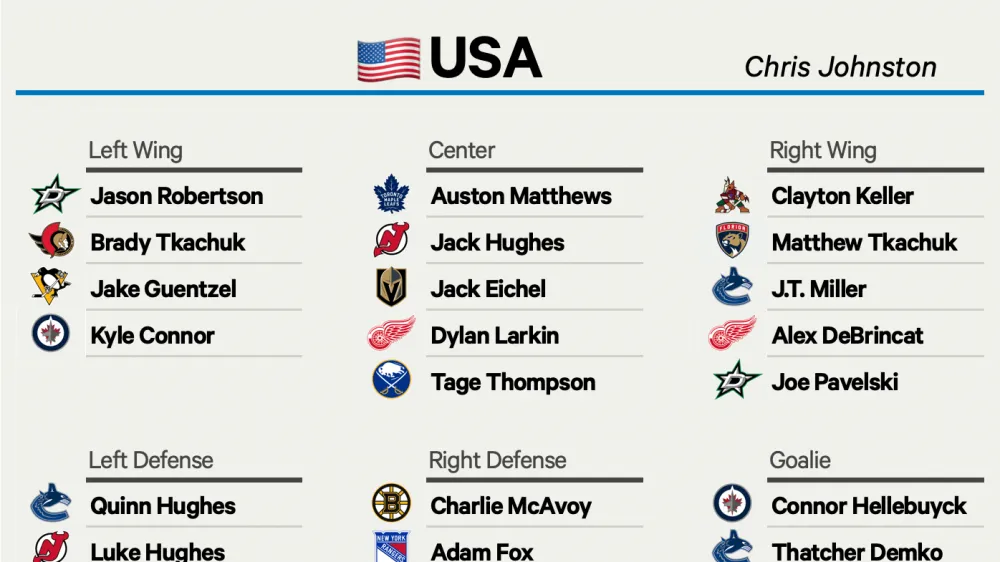
Why NHL game-day projected lineups and starting goalies updates matter
The impact of accurate lineup information extends far beyond casual curiosity. For fantasy hockey participants, knowing whether your star forward will play on the top line or if he’s been demoted to the fourth line can be the difference between winning and losing your weekly matchup. Line combinations directly affect ice time, power play opportunities, and scoring chances, making these projections invaluable for daily fantasy sports players who must construct optimal lineups within salary cap constraints.
Bettors rely heavily on starting goalie confirmations before placing their wagers. The gap between an elite netminder and a backup can shift betting lines by a full goal or more. When Connor Hellebuyck or Igor Shesterkin takes the crease, oddsmakers adjust accordingly, knowing these elite goalies can steal games even when their teams face disadvantageous matchups. Missing a late goalie change can turn what seemed like a smart bet into a costly mistake.
For teams themselves, lineup decisions reflect strategic considerations about opponent matchups, player rest management, and long-term health concerns. Coaches constantly balance the desire to win tonight’s game against the need to keep star players fresh for the playoff push. When you see a top player taking a maintenance day or dropping down the depth chart, it often signals important information about injuries, performance concerns, or tactical adjustments that savvy observers can leverage.
The timing of these updates creates a dynamic environment where information becomes increasingly valuable as game time approaches. Morning skates typically provide the first concrete signals about lineup changes, followed by afternoon confirmations and occasional surprise announcements right before warmups. Those who monitor multiple sources and understand the typical patterns of each team and beat reporter gain crucial minutes or even hours of advance knowledge compared to those relying on single sources or delayed updates.
Where to find reliable NHL game-day projected lineups and starting goalies updates
Several established platforms have become go-to destinations for lineup information, each offering distinct advantages. NHL.com serves as the official source, with their staff writers providing comprehensive projected lineups that include line combinations, defense pairings, scratches, and injury reports. Their information comes directly from team sources and morning skate observations, making it highly reliable though sometimes conservative in timing.
Daily Faceoff has emerged as a favorite among fantasy players and bettors for their real-time goalie projections. Their starting goalies page displays probability percentages for each potential starter and updates continuously as new information emerges. The platform’s fantasy hockey rankings integrate goalie matchups with defensive metrics, helping users make informed decisions beyond just knowing who’s starting.
RotoWire provides comprehensive lineup tracking with particular attention to fantasy-relevant details like power play units and penalty kill assignments. Their constant monitoring of team practices, media availabilities, and social media allows them to catch lineup changes quickly and explain the reasoning behind roster moves. For those deeply invested in understanding why changes happen, not just what changes occur, RotoWire’s analysis adds valuable context.
Twitter has become an indispensable real-time source, with team beat reporters often breaking lineup news before official announcements. Following the right journalists for each team creates a customized newsfeed that delivers updates the moment they happen. However, this approach requires curating a reliable list of sources and understanding which reporters have proven track records versus those who speculate without inside information. The advantage of social media is speed; the disadvantage is occasionally dealing with unverified rumors or misunderstandings.
Factors that influence NHL game-day projected lineups and starting goalies updates
Back-to-back games represent one of the most predictable scenarios affecting lineup decisions. Modern NHL teams almost never start the same goalie in consecutive nights, making these situations relatively easy to project. If a team’s number-one goalie played last night, you can confidently expect their backup tonight. However, complications arise when teams face three games in four nights or when injury situations limit available options.
The health of players obviously drives many lineup changes, but teams handle injury information with varying degrees of transparency. Some organizations freely discuss minor ailments while others maintain strict silence until game time. The designation system—injured reserve, day-to-day, game-time decision—provides clues but rarely complete clarity. Morning skate participation offers stronger signals, though some players will skate in warmups even when they’ve already been ruled out, complicating efforts to gain advance information.
Matchup-based adjustments show coaching strategy in action. A coach might load up his top line against a weak defensive opponent or split his stars to create more balanced scoring threats against elite competition. Against physical teams, fourth-line enforcers might draw in while skilled but smaller players sit. These tactical decisions require understanding each coach’s tendencies and philosophies, with some favoring stability while others constantly tinker with combinations.
Performance trends also influence lineup construction. Players enduring scoring droughts might find themselves on lower lines or in the press box, while hot streaks earn promotions and power play time. Young players face particular volatility as coaches balance development opportunities against competitive pressures. Understanding the philosophy behind NHL game day projected lineups and starting goalies decisions helps contextualize the constant shuffling that occurs throughout the season.
Travel schedules and fatigue management increasingly factor into modern roster decisions. Teams flying across multiple time zones or finishing lengthy road trips often give veterans rest days or reduced minutes. The league’s focus on player health and concussion protocols means teams exercise greater caution with questionable players rather than risking aggravating injuries. These considerations become especially relevant late in the season when playoff positioning battles intensify.
How to interpret and use NHL game-day projected lineups and starting goalies updates
The distinction between projected and confirmed lineups requires careful attention. Projections represent educated guesses based on practice observations, coaching comments, and historical patterns, but they aren’t guaranteed. Confirmations come directly from team announcements or reliable beat reporters with definitive information. Using projections for early planning makes sense, but always verify confirmations before finalizing fantasy lineups or placing bets.
Line combination context matters enormously when evaluating player value. A third-line winger might seem like a weak fantasy option until you notice he’s playing alongside two elite centers and getting power play time. Conversely, a typically productive player dropping to the fourth line with limited ice time becomes much less appealing despite his name recognition. The quality of linemates directly impacts scoring opportunities, making full lineup context essential rather than just knowing who’s playing.
Goalie rotations follow patterns worth tracking over time. Some coaches lean heavily on their starters, playing them 60-65 games per season, while others distribute starts more evenly. Identifying these patterns helps predict future starts even before official announcements. Teams fighting for playoff positions tend to ride their number-one goalies harder, while teams out of contention often showcase prospects and give backups more opportunities.
The timing of your information gathering significantly impacts its value. Checking once in the morning and assuming nothing changes invites disappointment. Players who participated in morning skate sometimes become late scratches due to illness or reastraggravation of injuries. Setting up notifications from trusted sources ensures you catch late-breaking changes that could affect your decisions. For daily fantasy players, monitoring right up until lineup lock maximizes your advantage.
Understanding the broader competitive context helps interpret lineup decisions. When teams face tough upcoming schedules, they might rest stars against weaker opponents to save them for crucial divisional games. Playoff races create urgency that changes risk calculations around playing injured stars. Teams already eliminated from contention prioritize development over winning, giving ice time to prospects who wouldn’t play for contenders. These strategic considerations explain many lineup choices that might otherwise seem puzzling.
Maximizing the value of NHL game-by-game lineup information
For fantasy hockey success, integrating lineup information into your broader strategy separates casual players from champions. Tracking not just tonight’s lineups but also understanding NHL game-by-game projected lineups and starting goalies patterns across upcoming schedules allows you to make informed waiver wire pickups and trade decisions. A player consistently earning top-line minutes over a week becomes a valuable add before others notice the opportunity.
Combining lineup data with advanced metrics creates powerful insights. A goalie facing a team that generates few high-danger scoring chances becomes an even more attractive start than raw team records suggest. Forwards playing with strong possession linemates will likely see increased ice time and scoring opportunities even if their personal statistics haven’t reflected it yet. Layering lineup information with underlying metrics identifies both opportunities and potential regression candidates.
Betting markets react to goalie announcements, but timing your wagers strategically can capture advantageous lines. Early betting before official starter confirmations sometimes offers value if you’ve correctly projected the goalie based on rotation patterns. Alternatively, waiting until just before game time occasionally reveals public overreactions to goalie changes, creating middle opportunities or value on sides the public abandoned prematurely.
For those managing multiple fantasy teams across different platforms, developing efficient systems for tracking lineup information becomes essential. Using aggregator sites that compile updates from multiple sources saves time versus manually checking each team individually. Setting up customized alerts for your specific players ensures you don’t miss relevant news while avoiding information overload about players irrelevant to your rosters.
Navigating the constant flow of NHL game-day projected lineups and starting goalies updates requires dedication, but the competitive advantages justify the effort. Those who develop reliable information sources, understand the factors driving lineup decisions, and efficiently integrate this knowledge into their decision-making consistently outperform those working with incomplete or outdated information. The modern NHL’s competitive landscape rewards the informed, making lineup tracking an essential skill for serious fantasy players and bettors.
As the season progresses, patterns emerge that make projection easier while unexpected developments keep the process engaging. The best approach balances systematic information gathering with flexible adjustment when new data emerges. Whether you’re chasing a fantasy championship, building a betting portfolio, or simply wanting to understand your team’s tactical decisions, mastering NHL lineup information provides insights that enhance your enjoyment and success throughout the long hockey season.

Par Mike Jonderson
Mike Jonderson is a passionate hockey analyst and expert in advanced NHL statistics. A former college player and mathematics graduate, he combines his understanding of the game with technical expertise to develop innovative predictive models and contribute to the evolution of modern hockey analytics.