













The Montreal Canadiens have emerged as one of the NHL’s most exciting young teams, showcasing a roster brimming with potential and enthusiasm. Despite their impressive start to the season and undeniable progress, a glaring weakness remains that could hamper their playoff aspirations: the lack of a legitimate second-line center. While Nick Suzuki anchors the top line with skill and consistency, the depth down the middle becomes concerning when trying to compete with the league’s elite teams. General manager Kent Hughes has made it clear through his actions and rumored interest in various players that addressing this need is a priority, and the clock is ticking toward the trade deadline.
The urgency to acquire a proven second-line center isn’t just about this season—it’s about maximizing the development window of their talented young core. With Ivan Demidov expected to make an impact and Cole Caufield continuing to evolve into an elite goal-scorer, the Canadiens need someone who can drive play and provide veteran leadership in crucial situations. The right acquisition could accelerate Montreal’s rebuild and signal to the fanbase that management is serious about competing sooner rather than later.
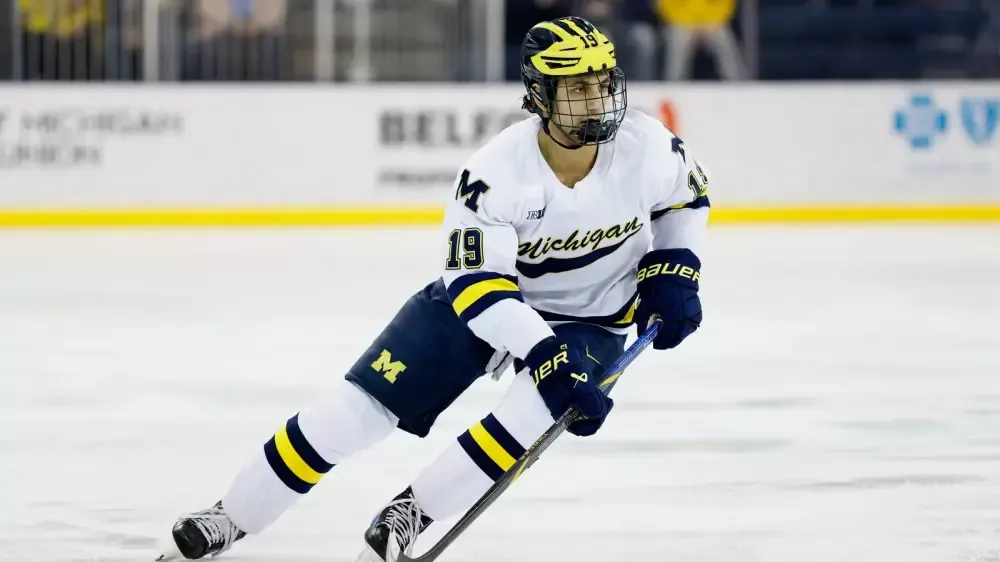
Why the Montreal Canadiens need to trade for a second-line center before the deadline
The Canadiens’ current center depth chart reveals a stark reality. After Suzuki, the options become increasingly questionable for a team with playoff ambitions. Alex Newhook has shown flashes of offensive potential but hasn’t demonstrated the consistency required for a second-line role on a contending team. Kirby Dach, once viewed as a potential solution after his acquisition from Chicago, has struggled with injuries and finding his offensive rhythm in Montreal. Christian Dvorak provides defensive reliability but lacks the offensive upside to drive a scoring line.
This structural weakness becomes particularly apparent when examining the team’s even-strength production. The Canadiens need someone who can win crucial faceoffs, create offensive opportunities, and provide defensive stability—all while mentoring younger players. The gap between Suzuki’s impact and the rest of the center group is too significant for a team trying to establish itself as a legitimate playoff contender in the competitive Atlantic Division.
The development of Montreal’s young wingers also depends heavily on having a capable pivot to play with them. Players like Juraj Slafkovsky and the incoming Demidov need a center who can complement their skill sets and help maximize their offensive potential. Without addressing this need, the Canadiens risk stunting the growth of their prized prospects and wasting valuable years of their entry-level contracts.
Furthermore, the Eastern Conference playoff race demands immediate action. Teams are loading up to compete for postseason spots, and the Canadiens cannot afford to wait another year if they want to establish momentum. The franchise has been patient through its rebuild, and the pieces are now in place—except for that crucial second-line center who can tie everything together.
Potential trade targets the Montreal Canadiens should pursue by the deadline
Nazem Kadri has emerged as one of the most frequently mentioned names in connection with Montreal. The Calgary Flames veteran carries a $7 million cap hit through the 2028-29 season, but his production justifies the investment. Last season, Kadri posted 67 points, including 35 goals, demonstrating he still has plenty left in the tank at age 35. His physical style, Stanley Cup experience, and two-way capabilities make him an intriguing fit for Montreal’s culture-building project.
Former Canadiens center Maxim Lapierre called Kadri “the perfect fit” for Montreal during an appearance on The Sick Podcast, praising his physicality and leadership qualities. The challenge lies in the financial gymnastics required to make the deal work, as Montreal currently has roughly $5.1 million in cap space. The Flames would likely need to retain salary or accept another contract going back, and they’d expect quality young assets or draft picks in return, especially if they’re embracing a full rebuild as their 2-8-2 start suggests.
Ryan O’Reilly represents another veteran option who could transform Montreal’s center ice depth. The Nashville Predators forward, at 34 years old, brings exceptional faceoff skills and defensive awareness that would immediately upgrade the Canadiens’ two-way game. Analyst Marco D’Amico noted that O’Reilly “would completely revolutionize the Canadiens’ center line, and make it one of the better ones in the face-off circle.” His ability to win draws in all situations would be particularly valuable for a young team still learning to protect leads.
Pavel Zacha has also surfaced in trade rumors as a potential target for the Canadiens to bolster their center depth. While not possessing the same resume as Kadri or O’Reilly, Zacha offers a younger option who could grow with Montreal’s core. The Boston Bruins forward has shown versatility and two-way ability, though acquiring him from a division rival would require Hughes to pay a premium.
Jordan Kyrou from the St. Louis Blues presents a different profile—younger and more offensively dynamic, though primarily a winger who has played center. At 26 years old, Kyrou fits Montreal’s timeline better than the veteran options and possesses elite skating ability that would complement the Canadiens’ speed-focused system. However, the Blues would need to embrace a retool for Kyrou to become available, and the asking price would be substantial given his age and skill level.
The cost of acquiring a second-line center and Montreal’s assets
Making a significant trade requires giving up value, and Kent Hughes faces difficult decisions about which prospects and picks he’s willing to part with. The Canadiens possess multiple first-round selections in upcoming drafts, thanks to previous trades, giving them ammunition to make a splash. However, Hughes must carefully weigh the long-term implications of dealing premium picks when the team’s prospect pool remains one of their greatest strengths.
Logan Mailloux has emerged as a potential trade chip, though his development trajectory suggests he could become a valuable top-four defenseman. Some analysts have suggested packages including both first-round picks and Mailloux for a premium center, but such a steep price would need to bring back a player who significantly moves the needle. The challenge lies in finding the balance between addressing immediate needs and maintaining the future pipeline.
The Canadiens also need to consider their salary cap situation both now and in future seasons. While they currently have space to add a significant contract, they’ll soon need to extend players like Caufield and manage other restricted free agents. Taking on a long-term deal for a veteran in his mid-30s could create complications down the road, especially if that player’s performance declines as younger players need new contracts.
Hughes has shown a willingness to be patient and avoid overpaying in previous negotiations, which has served the organization well. However, there comes a time when aggressive action is necessary to capitalize on a competitive window. Similar to how other teams have addressed depth scoring needs, the Canadiens must determine if this is the moment to be bold or continue their measured approach.
How a second-line center acquisition impacts Montreal’s playoff chances
Adding a proven second-line center would immediately transform the Canadiens from an intriguing young team into a legitimate playoff threat. The Atlantic Division remains highly competitive, with established powers like Boston, Toronto, and Florida setting a high bar. Montreal needs every advantage possible to secure a wildcard spot or challenge for a divisional playoff position.
A veteran center would provide invaluable playoff experience that Montreal’s young core lacks. While regular season success is important, the intensity and tactical complexity of postseason hockey requires leadership and composure that only comes from having been through those battles. A player like Kadri, who has won a Stanley Cup, or O’Reilly, who captured the Conn Smythe Trophy, could mentor younger players through those pressure moments.
The ripple effects throughout the lineup would be substantial. With a legitimate second-line center in place, Martin St. Louis could optimize his line combinations and roll four effective lines. This depth would be crucial during the grueling playoff schedule, where teams need contributions from throughout the roster. Role players would face more favorable matchups, and the team’s overall structure would improve dramatically.
From a development perspective, making the playoffs—even for a first-round appearance—would be invaluable for Montreal’s young players. Experiencing playoff atmosphere, intensity, and competition would accelerate their growth far more than finishing the season in ninth or tenth place. The lessons learned from playoff hockey, win or lose, would pay dividends for years to come.
The risks of waiting and why the trade deadline is crucial for the Montreal Canadiens
Some might argue the Canadiens should continue their patient rebuild and avoid sacrificing assets for a player who might not be part of the long-term future. However, this perspective ignores the reality of team building in the salary cap era. Development windows are finite, and teams must strike when their young players are still on cost-controlled contracts.
The market for quality centers is notoriously tight across the NHL. Every contending team wants to add depth down the middle, which drives up prices and creates bidding wars. By waiting until next offseason or a future trade deadline, Hughes risks finding even fewer options available or facing steeper competition for available players. The current market, particularly if teams like Calgary, Nashville, and St. Louis fall out of contention, might present the best opportunity in years.
Momentum and culture building also play significant roles in organizational success. The Canadiens have created positive energy around their rebuild, and fans are hungry for meaningful games in March and April. Missing the playoffs again after showing promise could deflate the fanbase and create doubt within the locker room. Making a bold move demonstrates commitment to winning and sends a message to both players and fans that the organization believes in its core.
Furthermore, waiting another year means potentially wasting a season of Caufield’s development, Suzuki’s prime years, and the rookie contracts of players like Slafkovsky and Lane Hutson. These years are precious in the salary cap era, and organizations that fail to maximize these windows often find themselves trapped in mediocrity for years afterward. NHL trade activity intensifies as the deadline approaches, and Hughes must position himself to strike when opportunities arise.
The Montreal Canadiens have reached a critical juncture in their rebuild. The foundation is set with elite young talent, solid goaltending, and an emerging defensive core. However, the missing piece remains glaringly obvious—a second-line center who can provide offensive production, veteran leadership, and two-way reliability. Kent Hughes has the assets to make a significant acquisition, and the trade deadline represents the ideal time to address this need before the playoff push intensifies.
Whether it’s Kadri, O’Reilly, or another target who emerges as the season progresses, the Canadiens cannot afford to stand pat. The Eastern Conference playoff race demands action, and the development of Montreal’s young core requires the right supporting cast. Hughes has built tremendous credibility through smart drafting and patient roster construction, but the time has come to transition from building to competing. A bold trade for a second-line center could be the move that transforms the Canadiens from a promising young team into a legitimate playoff contender and sets the stage for sustained success in the years ahead.

Par Mike Jonderson
Mike Jonderson is a passionate hockey analyst and expert in advanced NHL statistics. A former college player and mathematics graduate, he combines his understanding of the game with technical expertise to develop innovative predictive models and contribute to the evolution of modern hockey analytics.